Oral Surgery Options Near Durand Hamilton Trusted Care for Your Smile
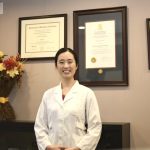
I am Dr. Cindy Li of Excel Dental at 49 East Avenue South in Hamilton, and every day I help patients from Durand and nearby neighbourhoods understand their oral surgery choices so they can move forward with confidence and calm.
What Oral Surgery Means for Your Oral Health
When people hear “oral surgery,” they often picture something complex or scary. In reality, many oral surgery procedures are straightforward treatments that solve ongoing problems like tooth pain, infections, or difficulty chewing. My goal is to restore comfort, protect your long-term health, and keep your smile looking natural.
Oral surgery includes treatments such as tooth extractions, dental implants, gum procedures, and corrective work on the jaw or soft tissues. These are not “one-size-fits-all” solutions. Each treatment is carefully planned around your health, your goals, and your comfort level. I take time to explain what is happening in clear language so you never feel rushed or pressured.
In my Hamilton practice, a large part of oral surgery is preventive. By treating issues early, we can avoid more serious complications like spreading infections, shifting teeth, or bone loss in the jaw. Often, patients tell me afterward that it was easier and more comfortable than they expected.
Common Oral Surgery Procedures I Perform
One of the most frequent procedures I perform is tooth extraction. Sometimes a tooth is too damaged by decay, fracture, or infection to be saved. Gently removing it can stop pain and protect surrounding teeth and gums. I use careful techniques, local anesthesia, and, when helpful, medication to keep you relaxed.
Dental implants are another important part of my work. When a tooth is missing or must be removed, an implant can act as an artificial root that supports a natural-looking crown. This can restore chewing ability, prevent nearby teeth from drifting, and help preserve bone in the jaw.
I also perform minor gum and soft-tissue procedures. These can include removing small growths, reshaping tissue that traps food, or exposing a tooth that is buried under the gum so it can be properly restored. Even small surgical adjustments can make a big difference in comfort, hygiene, and appearance.
For more complex jaw or wisdom tooth surgeries, I may collaborate with trusted local oral and maxillofacial surgeons here in Hamilton. In those cases, I coordinate your care, guide you through the referral, and remain involved so you feel supported at every step.
Wisdom Tooth Removal for Durand Patients
Wisdom teeth often cause problems for patients in their late teens and twenties, and I see many people from the Durand area for assessment. These third molars can become impacted, grow at an angle, or partially erupt, which can trap bacteria and lead to infections, swelling, and crowding.
When I evaluate wisdom teeth, I start with a complete exam and detailed digital X-rays. I look at the angle of the teeth, the amount of available space, and the proximity to important structures like nerves and sinuses. Not every wisdom tooth must be removed, so I explain the specific risks and benefits in your situation.
If removal is recommended, I work with you to choose the right type of anesthesia, from local freezing to more advanced options if required. I walk you through what to expect before, during, and after surgery so you can prepare your home, arrange a ride, and plan your recovery.
Patients are often surprised by how quickly they recover with good post-operative care. Using cold compresses, taking prescribed medications exactly as directed, and following my instructions about diet and cleaning the area can greatly reduce discomfort and help prevent complications like dry socket or infection.
Dental Implants and Tooth Replacement Solutions
Missing teeth affect much more than appearance. Patients tell me they avoid certain foods, feel self-conscious when speaking or laughing, and sometimes experience jaw discomfort from uneven chewing. Dental implants can be an excellent solution in many of these situations.
An implant is a small titanium post that is placed in the jawbone where the tooth root used to be. Over time, the bone fuses with the implant and creates a strong foundation for a crown, bridge, or in some cases to help stabilize a denture. I carefully plan implant placement using detailed imaging to protect nerves and sinus spaces and to optimize long-term stability.
Not everyone is immediately ready for implants. Some patients need bone grafting to strengthen the jaw, or they may have medical conditions that require us to adjust the plan. In those situations, I explain all your options, which may include bridges or modern dentures that fit securely and look natural.
Implants are an investment in long-term oral health. With good hygiene, regular professional cleanings, and periodic checkups, they can last many years. I teach my implant patients how to brush and clean around their implants properly so the gums and bone stay healthy.
Sedation and Comfort Options During Oral Surgery
Feeling nervous about oral surgery is completely normal. Many of my new patients tell me they have put off needed treatment because of fear, often due to a past negative experience. I take that seriously and work hard to create an environment where you feel heard, respected, and in control.
For most procedures, local anesthesia is enough to keep you comfortable. The area is thoroughly numbed, and I check carefully before beginning. For patients with more anxiety or for longer treatments, I may recommend oral sedation medication. This can help you feel calm and less aware of the time, while you remain responsive and able to communicate.
I also pay close attention to the non-medication aspects of comfort. I always explain what I am doing in simple terms, give you clear signals to raise your hand if you need a pause, and keep you updated during the procedure. Many patients tell me knowing what to expect step by step makes the experience much easier.
After surgery, I send you home with clear written instructions, review them with you in person, and make sure you know how to reach my team if questions come up. Thoughtful pain management and careful follow-up are a key part of how I provide care.
How I Plan Your Oral Surgery Safely and Thoroughly
Every oral surgery case begins with a detailed health history and examination. I review your medical conditions, medications, and allergies, because these can affect bleeding, healing, and how your body responds to anesthesia and pain medications. I also discuss your personal concerns, goals, and timeline.
Diagnostic imaging is essential. I use digital X-rays, and when needed, 3D scans to see the exact position of roots, nerves, sinuses, and bone. This planning helps me choose the safest approach and anticipate potential challenges before we ever begin treatment.
I explain your options clearly, including what happens if we wait, what the recovery is likely to be like, and any realistic risks. I encourage questions and do not rush this part of the process. You should feel that you understand your choices and that we made the plan together.
For patients with more complex medical situations, I am happy to collaborate with your family doctor or specialist. Coordinating care with your broader healthcare team allows us to minimize risks and keep you as healthy and comfortable as possible throughout your treatment.
Recovery, Healing, and Aftercare Tips
Healing after oral surgery usually follows a predictable path, and I will let you know what is normal and what is not. Some swelling, minor bleeding, and discomfort are expected in the first 24 to 72 hours. Careful management during this early period often leads to a smoother overall recovery.
I provide specific guidance about what to eat, how to clean your mouth, and which activities to avoid. Soft, cool foods are typically best at first. It is important not to smoke, drink through a straw, or poke at the area with your tongue or fingers, as this can dislodge the blood clot and delay healing.
Pain is usually manageable with prescribed or recommended over-the-counter medications taken exactly as directed. I encourage patients to use cold compresses during the first day and to rest as much as possible. Listening to your body and not rushing back to strenuous activity makes a noticeable difference.
I also schedule follow-up visits as needed to monitor healing, remove any sutures when appropriate, and answer new questions that may arise. If anything feels “off” during recovery, such as worsening pain, unusual swelling, or fever, I want to hear from you promptly so we can address it early.
When to See an Oral Surgeon vs. Your Family Dentist
Patients often ask whether they should see an oral surgeon directly or start with their family dentist. At Excel Dental, I am trained and equipped to handle many common oral surgery procedures right here in the office for Durand and Hamilton-area patients. This can be more convenient and comfortable, especially if you already know and trust our team.
For cases that are more complex, such as deeply impacted teeth near major nerves, corrective jaw surgery, or cases involving significant facial trauma, I typically refer to a specialist oral and maxillofacial surgeon. In those situations, I remain involved, sharing your records and imaging, and helping you understand the recommendations you receive.
If you are unsure where to start, a consultation with me is a useful first step. After examining your mouth and reviewing your imaging, I can tell you whether we can safely and effectively treat you in our office or whether a referral would better serve your needs.
Ultimately, what matters most is that you receive safe, well-planned care from a team that communicates clearly with you and with each other. I see myself as your guide and advocate throughout the process, not just the person performing the procedure.
FAQ About Oral Surgery Near Durand in Hamilton
Is oral surgery painful?
With proper anesthesia, you should not feel pain during the procedure itself, only pressure or vibration. Some soreness afterward is normal, but I plan your pain control in advance and give you medications and instructions to keep you as comfortable as possible.
How long does it take to recover from wisdom tooth removal?
Most patients feel significantly better within 3 to 5 days, although complete healing of the area takes several weeks. I usually advise planning for a couple of quiet days at home, avoiding strenuous activity, and following my aftercare instructions closely.
Will I be able to work the day after surgery?
It depends on the procedure and your type of work. Many people with desk jobs return within 1 to 2 days, while physically demanding jobs may require a bit more time off. I will discuss your individual situation and help you plan realistically.
Are dental implants safe for older adults?
Age alone does not prevent someone from getting implants. I look at your overall health, bone quality, medications, and lifestyle. Many healthy older adults do very well with implants and enjoy a big improvement in chewing and confidence.
What if I am very anxious about oral surgery?
You are not alone. I see many anxious patients and I approach each one with patience and empathy. We can use calming medication, move at a pace that feels manageable to you, and I will explain every step so there are no surprises.
How do I know if I really need my wisdom teeth removed?
I base that recommendation on your symptoms, X-rays, and the predicted risk of future problems. If your wisdom teeth are impacted, causing pain, infections, or damage to nearby teeth, removal is usually the safest choice. If they are healthy and fully erupted, we may simply monitor them.
Can I drive myself home after oral surgery?
If you receive only local anesthesia, you can usually drive yourself home. If we use oral sedation or another form of deeper relaxation, you will need a responsible adult to drive you and stay with you for a period of time. I will give you clear instructions in advance.
How much does oral surgery cost, and is it covered by insurance?
Costs vary depending on the type and complexity of the procedure. At your consultation, I provide a written estimate and, with your permission, we can help you understand what your dental plan may cover. I believe in transparency so you can plan without surprises.
Will I have stitches after my procedure?
Some surgeries require stitches and others do not. When stitches are needed, I often use dissolvable ones that disappear on their own. If non-dissolvable sutures are used, I will schedule a quick follow-up visit to remove them comfortably.
What can I eat after oral surgery?
I usually recommend soft, cool or room-temperature foods at first, such as yogurt, smoothies (without straws), mashed potatoes, scrambled eggs, and soups that are not too hot. You can slowly return to your normal diet as your comfort improves and I clear you to do so.
How do I reduce swelling after surgery?
Applying a cold compress to the outside of your face during the first 24 hours, keeping your head slightly elevated when resting, and following my medication schedule are the best ways to control swelling. Some swelling is normal, but it typically peaks around day two and then improves.
Can oral surgery help with repeated dental infections?
Yes, in many cases. Removing a chronically infected tooth, properly treating surrounding bone, or placing a well-planned restoration can stop the cycle of repeated infections. I will review your history and X-rays to identify the underlying cause and propose a long-term solution.
More Information
If you would like to learn more about dental treatment and oral surgery in Ontario, the Ontario Dental Association at oda.ca offers helpful information about common procedures and how to find qualified dentists. The Canadian Dental Association at cda-adc.ca provides trustworthy patient resources on oral health, implants, and surgery. You can also visit ontario.ca for information about provincial health policies and programs that may relate to your care. I encourage my patients to use these reliable sources to better understand their options.
If you live in or near Durand and are wondering whether oral surgery might help you, I invite you to call my office at 905-529-2164 to schedule a consultation so we can talk through your concerns and plan the healthiest path forward for your smile.