How Preventive Dental Care Cuts Costs Near Stinson Hamilton
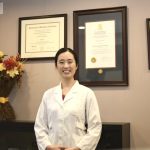
I am Dr. Cindy Li, and I enjoy helping Hamilton families feel confident about their dental health. At Excel Dental on East Avenue South, I see every day how small, consistent preventive steps protect smiles and dramatically lower what people spend on urgent treatment, especially for neighbours living and working near Stinson.
Why Prevention Matters for Hamilton Families
When patients first come to see me, many expect a long list of expensive treatments. Often, what they truly need is a solid preventive plan and some clear guidance. Regular cleanings, exams, and simple at‑home habits can keep teeth healthier for years and reduce the chances of painful and costly problems.
In my practice near the Stinson neighbourhood, I see similar patterns: a rushed lifestyle, frequent snacks, and missed appointments quietly allow small dental issues to grow. By catching changes early, I can recommend straightforward solutions instead of complex treatment. Prevention is not just about avoiding cavities. It is about keeping future costs reasonable and predictable for you and your family.
How Regular Checkups Reduce Big Treatment Bills
When I perform a routine exam, I am not just looking for obvious holes in teeth. I am checking your gums, bite, jaw joints, existing fillings, and early areas of weakness in the enamel. A tiny soft spot on a tooth today can become a cracked tooth or infection within a year if it is ignored.
By seeing you every 6 to 9 months, I can spot those early changes and usually treat them with conservative, less expensive options like small fillings or simple gum therapy. Patients who come in regularly almost always need fewer root canals, extractions, or crowns over the years, which translates into thousands of dollars in savings over a lifetime.
I also review medical history at each visit. Conditions like diabetes, dry mouth from medications, and heart disease can affect your oral health, and catching interactions early helps me tailor your care so you avoid surprise complications and extra costs.
The True Cost of Skipping Dental Visits Near Stinson
I frequently meet patients from the Stinson area who have not seen a dentist in several years. Often, they stayed away to save money or because they were anxious about the visit. By the time they arrive at Excel Dental, they may have multiple broken teeth, painful infections, or advanced gum disease that affects their ability to chew and even their general health.
The treatments needed at that stage, such as root canals, extractions, and replacement teeth, are far more complex and costly than regular preventive care would have been. I have seen situations where someone could have spent a few hundred dollars on routine care over several years, but instead faces several thousand dollars of urgent treatment in one short period.
There is also the hidden cost of missed work, lost sleep, and time spent in pain. When a toothache hits at the wrong moment, people end up in emergency rooms or needing last‑minute appointments that disrupt their schedule and strain their budget. Preventive care is one of the best ways to avoid this stressful cycle.
Simple At‑Home Habits That Protect Your Smile (and Wallet)
What you do between visits has just as much impact on your long‑term costs as what I do in the dental chair. Consistent brushing with a fluoride toothpaste twice a day and cleaning between your teeth with floss or interdental brushes can dramatically reduce cavities and gum disease. These habits are quick, inexpensive, and very powerful.
I often coach patients on how to adjust their routine instead of asking them to buy a lot of special products. For many people, the biggest improvement comes from brushing more effectively, not harder, and from adding one extra minute of flossing each day. For parents, supervising kids’ brushing until they have good technique is one of the best investments you can make in their future dental health.
Diet also matters. Frequent sipping of sugary drinks or grazing on snacks keeps bacteria active on your teeth. By limiting sugary foods to mealtimes and drinking water between meals, you reduce acid attacks on the enamel. These are small shifts that can prevent the need for fillings, crowns, and emergency visits later on.
How I Use Early Detection to Keep Treatment Small
I rely on a combination of visual exams, dental X‑rays, and sometimes special cavity‑detecting tools to find problems before you feel them. Many cavities cause no pain until they are quite advanced. By the time you notice sensitivity, the damage may already be close to the nerve, which means more complex treatment.
When I catch issues early near Stinson, I can often suggest very conservative options. For example, a shallow cavity may be treated with a small white filling that preserves most of the tooth. Early gum inflammation might be reversible with a thorough cleaning and improved home care instead of more intensive surgery later.
I also pay attention to signs of clenching and grinding, which are very common in people under stress. A protective night guard is far less expensive than repairing multiple cracked or worn teeth in the future. Early detection gives us choices, and those choices usually cost less and are easier on your schedule.
Preventive Care for Kids in the Stinson Hamilton Area
Children’s teeth are especially vulnerable to decay, and dental experiences early in life strongly shape how they feel about dentistry as adults. I work gently with kids to make visits feel safe and positive, so they are more likely to keep up with preventive care as they grow.
For children living around Stinson, simple steps like fluoride treatments, dental sealants on the back teeth, and regular cleanings can prevent many cavities. Sealants are thin protective coatings placed in the deep grooves of molars where toothbrush bristles do not always reach. They are quick to apply and can significantly lower the chance of decay, which saves families money and avoids uncomfortable procedures.
I also take time to teach both parents and children how to brush and floss effectively, and we talk about snacks and drinks that are tooth‑friendly. When kids learn these skills early, they often need fewer fillings, extractions, and other treatments as teenagers and adults.
Working With Dental Benefits and Budgets
Many patients near Stinson have dental insurance through work, but are not sure how to use it effectively. I encourage you to think of dental benefits as a tool for preventive care, not only for emergencies. When you use your coverage for regular checkups, cleanings, and small treatments, you reduce the chance of needing large, unexpected procedures that exceed your yearly maximums.
If you do not have insurance, I am very open about costs and priorities. I often create a step‑by‑step plan that spreads treatment out in a sensible way, focusing first on what is urgent and what will prevent more serious problems. Sometimes this means addressing gum health and a few key fillings before moving to more advanced work later.
My team at Excel Dental can help explain estimates, submit pre‑determinations to your insurance when needed, and answer questions so you can make informed choices. Clear communication around costs is part of preventive care because it helps you stay on track instead of delaying important visits.
Common Preventive Treatments I Recommend Near Stinson
In my practice, the most common preventive services are professional cleanings, comprehensive exams, and periodic dental X‑rays. Cleanings remove hardened plaque that brushing and flossing cannot reach, especially under the gums and between teeth. This reduces your risk of gum disease and tooth loss, which are both expensive to treat.
I often recommend fluoride treatments for both children and adults who are at higher risk for cavities, such as those with dry mouth or frequent snacking. Fluoride strengthens enamel and can even help reverse very early stages of decay before a filling is needed.
Dental sealants for kids, customized mouthguards for sports, and night guards for grinding are also important parts of prevention. Each of these is relatively affordable compared to the cost of repairing broken, worn, or decayed teeth. Over time, these preventive steps can significantly lower the total amount you spend at the dentist.
How Gum Health Affects Your Overall Health and Expenses
Gum disease is one of the most overlooked sources of future dental costs. It often starts quietly with redness or bleeding when you brush, which many people assume is normal. In reality, healthy gums should not bleed. If we treat gum disease early with cleanings and improved home care, we can usually stabilize it and protect the supporting bone around your teeth.
Left untreated, gum disease can lead to loose teeth, bad breath, and eventually tooth loss. Replacing missing teeth with bridges or implants is much more costly and complex than preventing the problem at the start. I see this often in older patients and in people who have not had regular cleanings.
There is also a growing connection between gum health and overall health, including diabetes and cardiovascular conditions. Taking care of your gums is not only an investment in your smile but also in your general well‑being, which can impact medical costs over the long term.
FAQ: Preventive Dental Care Near Stinson Hamilton
How often should I come in for a checkup if my teeth feel fine?
Most adults do well with a checkup and cleaning every 6 to 9 months, even if everything feels normal. I may suggest a slightly different schedule based on your cavity risk, gum health, and medical history. Pain is usually a late sign of a problem, so waiting until something hurts often leads to more expensive treatment.
Are dental X‑rays really necessary if I am trying to keep costs down?
I use X‑rays thoughtfully and only when they provide useful information. They help me see problems between teeth, under fillings, and in the bone that I cannot detect with my eyes alone. Catching decay or infection at this hidden stage usually means simpler, less costly treatment than if we wait for symptoms.
What can I do at home to prevent cavities in my kids?
I recommend brushing your child’s teeth twice a day with a fluoride toothpaste, limiting sugary snacks and drinks, and bringing them in for regular checkups. For younger children, it helps to brush for them or alongside them until they develop good technique. School‑age kids benefit from sealants and fluoride treatments, which I can provide in the office.
I am nervous about dental visits. How can I still stay on top of prevention?
You are not alone. Many of my patients feel anxious, especially if they have had difficult experiences in the past. I encourage you to tell me about your worries so we can move at a pace that feels comfortable. Short, gentle preventive visits are usually much easier to handle than long emergency procedures, and over time, many anxious patients become more relaxed in the chair.
Is professional cleaning really better than good brushing and flossing?
Daily brushing and flossing are essential, but even with excellent technique, most people still develop some tartar in hard‑to‑reach areas. Professional cleanings remove this buildup and disrupt bacteria under the gums that can lead to gum disease. Think of it like a deep clean that supports all the effort you put in at home.
What if I cannot afford to do all the treatment you recommend right away?
When costs are a concern, I help you prioritize. We focus first on anything painful, infected, or at high risk of worsening quickly. Then we plan the remaining work in stages, combining it with strong preventive care to slow down any problems. Being honest with me about your budget allows us to create a realistic plan together.
Do I still need to see a dentist if I wear a denture or have several missing teeth?
Yes. Even if you have few natural teeth, I still need to monitor your gums, bone levels, and the fit of your denture. Poorly fitting dentures can cause sore spots, difficulty chewing, and bone loss, which may require adjustments or repairs. Regular visits help prevent these issues from becoming uncomfortable and costly.
Can preventive dental care really help my overall health, not just my mouth?
There is growing evidence that untreated gum disease and chronic oral infections may be linked to conditions like diabetes, heart disease, and respiratory problems. While dentistry is not a replacement for medical care, keeping your mouth healthy reduces inflammation and infection in your body, which supports your general health.
Do you offer preventive advice tailored to my specific health conditions?
Yes. I always review your medical history and medications so I can personalize recommendations. For example, if you have dry mouth from medication or diabetes, I may suggest special rinses, more frequent cleanings, or fluoride treatments. My goal is to create a preventive plan that fits your health needs and lifestyle.
What age should my child first see a dentist near Stinson?
I like to see children by about their first birthday or within six months of the first tooth appearing. The first visit is usually very simple and is mostly about helping your child feel comfortable, checking development, and giving you tips on home care. Early visits set the stage for a lifetime of easier, less costly dental experiences.
More Information on Preventive Care
If you want to read more about preventive dentistry and oral health, the Ontario Dental Association at oda.ca offers clear explanations on common procedures and tips for maintaining a healthy mouth. The Canadian Dental Association at cda-adc.ca provides resources on topics like children’s oral health, fluoride, and gum disease. You can also find public health information on dental care and coverage options on the Ontario government site ontario.ca, which is especially helpful if you are exploring programs for families, children, or seniors.
If you live or work near Stinson and would like to talk about a preventive plan that fits your budget, I welcome you to call my office at 905-529-2164 so we can get started together.