Gentle senior dental care near Strathcona Hamilton for retirees
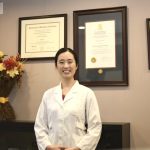
I am Dr. Cindy Li, and I enjoy helping Hamilton retirees maintain comfortable, confident smiles at every stage of life here at Excel Dental, 49 East Avenue South. Many of my patients come from the Strathcona area and surrounding neighbourhoods, and I take pride in tailoring gentle care to the unique dental needs that often appear with age.
Understanding senior dental needs close to Strathcona
As my patients reach retirement, I often see similar patterns: teeth that have served faithfully for decades, gums that are a little more fragile, and sometimes medical conditions or medications that affect the mouth. My first priority is to really understand your health history, your daily routines, and your goals, not just focus on a single tooth.
Common concerns I hear from seniors include dry mouth, sensitive teeth, sore gums, loose dentures, and worries about oral cancer. I listen closely to what is changing for you, then we build a care plan that respects your energy level, budget, and comfort. My goal is to keep things as simple and predictable as possible, while protecting your long-term oral health.
Many retirees also tell me they feel nervous about returning to the dentist after years away. I never judge that gap. Instead, I focus on where you are now and how we can help you feel better, step by step.
Gentle cleanings and checkups tailored for retirees
In my experience, a “standard” cleaning can sometimes be too aggressive for older gums and exposed root surfaces. For seniors, I adjust techniques to be slower, softer, and more focused on comfort. If your teeth or gums are very sensitive, we can use topical numbing or localized freezing so your cleaning feels manageable.
At your checkup, I pay special attention to early signs of root cavities, gum recession, cracked fillings, and tooth wear from years of chewing and grinding. Catching changes early allows us to use more conservative treatments, which is often better tolerated and less costly.
I also look closely for signs of oral cancer, especially on the tongue, cheeks, and floor of the mouth. A quick, careful screening at each visit helps us detect issues as soon as possible, which is critical as we age.
Comfortable treatment options for aging teeth and gums
As teeth age, they can become more brittle, discoloured, or heavily filled. When I recommend treatment for seniors, I think about your whole health picture: medications, dexterity, caregiver support, and how long a restoration is likely to last for you. Sometimes a simple filling or smoothing a rough edge is all that is needed. Other times, crowns or carefully planned extractions are the more stable option.
I always explain your options in plain language, including what each choice means for comfort, function, and maintenance. For example, if a tooth has deep cracks and has been filled multiple times, a crown may protect it from breaking. If a tooth has a poor long-term outlook, we might decide together that replacing it is wiser than repeatedly repairing it.
Pain control is another key part of gentle care. I use the least invasive techniques and take time with freezing so you stay comfortable throughout your appointment. If you feel anxious or have had difficult experiences in the past, please tell me. That conversation helps me adjust the pace and approach so you feel safe.
Help with dentures, partials, and replacement teeth
Many of my retired patients wear dentures or partial dentures, and I see how much confidence a well-fitting prosthesis can bring. I start by asking how your current dentures feel when you eat, speak, and smile. Sore spots, looseness, and difficulty chewing are not things you have to simply accept.
Sometimes a simple adjustment or reline can make an older denture feel much more stable. In other situations, a new denture design, or adding support with implants, can significantly improve comfort and function. I walk you through what to expect: the timeline, the adaptation period, and how to care for your new teeth at home.
For patients missing only a few teeth, partial dentures, bridges, or implant-supported options may be appropriate. I help you weigh the pros and cons of each, taking into account your health, your level of manual dexterity, and how much maintenance you are comfortable with.
Managing dry mouth, medications, and chronic conditions
One of the biggest changes I see in seniors is medication-related dry mouth. Saliva is your natural protection against cavities and infections, and when it is reduced, teeth can deteriorate quickly. I always review your medications and medical history so we can anticipate and manage these side effects together.
If you have diabetes, heart disease, osteoporosis, arthritis, or are undergoing cancer treatment, these conditions can affect your gums, bone levels, and healing. I coordinate care as needed with your physician and adjust treatment plans to be safer and gentler. For example, I may schedule shorter appointments, use specific materials, or time certain procedures around your other medical treatments.
I often recommend targeted home care strategies for dry mouth and sensitive tissues, such as special toothpastes, saliva substitutes, sugar-free lozenges, and custom fluoride trays for high-cavity-risk patients. These small daily habits can make a big difference over time.
Easy-to-follow home care for seniors and caregivers
I know brushing and flossing can become more difficult as hands, shoulders, or eyesight change. When I meet senior patients or caregivers, we focus on realistic routines, not perfection. Sometimes switching to an electric toothbrush with a larger handle, or using simple interdental brushes instead of traditional floss, can make cleaning much easier.
I also encourage caregivers to join the conversation if they help with daily hygiene. Together, we can find positions and tools that are comfortable and safe for both of you. For example, sitting behind a loved one in a well-lit area and using a small flashlight can make assisted brushing much more effective.
During your visit, I am happy to demonstrate techniques in a mirror and then have you (or your caregiver) try them while I coach. Practicing in the office builds confidence at home and helps prevent frustration and missed areas.
Creating a calm, unrushed experience for older patients
Many seniors tell me they value an environment where they never feel rushed or talked over. At Excel Dental, I intentionally schedule enough time to explain things, answer questions, and allow for breaks during longer visits. If you need to sit up, stretch, or rest your jaw, just let me know.
I also pay attention to comfort details like neck and back support, gentle positioning in the chair, and minimizing bright light in your eyes. Small adjustments can make a big difference for patients with arthritis, vertigo, or chronic pain. If lying flat is difficult, we can modify the chair position so you feel more stable and at ease.
Open, honest communication is essential. If something hurts, feels strange, or worries you, I want to hear it right away. You deserve to understand what is happening and to feel that your concerns matter.
FAQs about senior dental care near Strathcona
How often should I see you now that I’m retired?
For most seniors, I recommend a checkup and cleaning every 3 to 6 months, depending on your cavity risk, gum health, and medical conditions. If you have dry mouth, diabetes, or a history of gum disease, seeing me a bit more frequently helps prevent small issues from turning into painful emergencies.
Is it worth fixing my teeth at my age?
I hear this question often, and my answer is almost always yes, when treatment improves comfort, function, or quality of life. The goal is not perfection. Instead, we focus on relieving pain, making eating easier, and helping you feel comfortable smiling and talking with others.
My dentures feel loose and rub my gums. Can anything be done?
Yes. In many cases, we can reline or adjust your existing dentures so they fit more snugly and stop causing sore spots. If the dentures are very old or the shape of your jaw has changed significantly, new dentures or implant-supported options may be a better solution. I will examine your mouth and explain what is realistic for you.
I take several medications and have very dry mouth. How can I protect my teeth?
Dry mouth can be tough on teeth, but there are effective strategies. I often suggest sipping water frequently, using saliva substitutes, and choosing sugar-free products with xylitol. At the office, we can also apply fluoride varnish or create custom trays so you can use prescription-strength fluoride at home. Together we can design a plan to reduce your risk of cavities.
What if I have trouble brushing and flossing because of arthritis?
You are not alone. I usually recommend an electric toothbrush with a larger handle, which is easier to hold and does much of the work for you. Instead of traditional floss, many patients do better with small interdental brushes or floss holders. Bring your current tools to your appointment and I will show you how to adapt them or recommend alternatives.
I’m nervous because I haven’t seen a dentist in many years. What should I expect?
When you come in after a long break, my focus is on understanding your current situation, not criticizing the past. We will start with a conversation, a gentle examination, and any necessary X-rays. Then I will walk you through what I see and suggest a step-by-step plan that fits your comfort and your budget. We will move at a pace that feels manageable for you.
Can dental problems affect my overall health?
Yes. Gum disease and ongoing infections can impact blood sugar control, put strain on your immune system, and increase inflammation in the body. In my practice, I have seen how improving oral health often helps patients feel better overall, especially those with diabetes or heart conditions. Caring for your mouth is an important part of caring for the rest of you.
Is it safe to have dental work if I have heart disease or other medical issues?
In most cases, yes, as long as I know your medical history and medications. I may consult with your physician, adjust the length of appointments, or choose specific techniques to keep you safe and comfortable. Always bring an up-to-date list of your medications and any recent medical reports so we can coordinate your care properly.
Do I still need to worry about cavities if I have many crowns or root canals already?
You can still get cavities around the edges of crowns and on exposed roots, especially with dry mouth or a high-sugar diet. At your visits, I carefully check these areas and usually recommend fluoride support and targeted cleaning techniques at home. The goal is to protect the work you already have and prevent future problems.
What signs of oral cancer should I watch for?
Tell me or your doctor right away if you notice a sore that does not heal within two weeks, a lump, white or red patches, numbness, or difficulty swallowing. At each appointment, I perform an oral cancer screening, but if you notice anything unusual between visits, please contact me. Early detection makes treatment more effective.
Can you help my spouse who has dementia with oral care?
Yes. I often work with patients with dementia and their caregivers. We can adapt appointments to be shorter and calmer, and I will show you simple techniques and tools to use at home. My goal is to keep your spouse comfortable and reduce the risk of painful emergencies, while supporting you in your caregiving role.
More information for seniors and caregivers
If you would like to learn more about oral health as you age, the Ontario Dental Association at oda.ca and the Canadian Dental Association at cda-adc.ca both offer clear explanations and practical tips for seniors and caregivers. The Ontario government website at ontario.ca also provides information on public programs and supports that may relate to dental care. These resources are trustworthy and written for patients, so they can be a helpful supplement to our in-person conversations.
If you are a retiree in the Hamilton area and you would like gentle, respectful dental care tailored to your needs, I invite you to call my office at 905-529-2164 to book a visit.