Trusted Gentle Dental Care for Seniors and Retirees Near Strathcona Hamilton
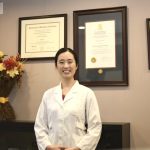
I am Dr. Cindy Li, and I enjoy helping Hamilton seniors and retirees around Strathcona maintain comfortable, confident smiles with care tailored to changing needs and lifestyles.
Why gentle dental care matters for seniors
Aging brings changes in oral tissues, medication effects, and often decreased manual dexterity. Gentle care means I look beyond a quick filling and consider medical history, comfort, and function when planning treatment. That approach reduces anxiety and improves outcomes.
I prioritize clear communication so patients understand options and feel in control. For many older adults, small adjustments in technique, materials, or appointment length make a big difference in tolerance and long-term oral health.
Common dental concerns for older adults
Dry mouth is very common because of medications and can increase cavity risk and make chewing difficult. I evaluate saliva flow and recommend products and habits to protect teeth and soft tissues. Often simple solutions like timing medications, using saliva substitutes, or fluoride rinses are effective.
Gum disease and root decay are also frequent. Because roots may be more exposed with gum recession, I focus on gentle but thorough cleanings and personalized home care to slow progression and preserve natural teeth as long as possible.
How I adapt treatments for comfort and safety
In my practice I take extra time for initial visits to review medical records, current medications, and mobility needs. I offer flexible scheduling to avoid long waits and can arrange shorter appointments or multiple visits for larger treatment plans. Comfort aids like supportive seating and clear step-by-step explanations help reduce stress.
When procedures are needed, I explain each step and check comfort frequently. I coordinate with patients’ physicians for complex medical conditions and modify anesthesia or medication plans to ensure safety and effectiveness.
Preventive care and maintenance
Prevention is the cornerstone of my approach. Regular cleanings, topical fluoride treatments, and targeted oral hygiene coaching help prevent new disease and preserve existing restorations. I teach practical techniques that match each patient’s abilities, including electric toothbrushes and interdental aids when appropriate.
I also screen for oral cancer, bite problems, and signs of systemic disease that show in the mouth. Early detection allows simpler treatments and better outcomes, so I encourage routine visits even when things feel fine.
Treatment options suited for seniors
When restorations are required, I discuss durable, conservative options that balance longevity and comfort. I consider function, aesthetics, and how a treatment fits with overall health and finances. If a tooth cannot be saved, I explain safe, predictable replacement choices and maintenance expectations.
For denture wearers I provide adjustment, relining, and hygiene support to maintain fit and oral health. I work to restore chewing ability so nutrition and quality of life are preserved.
Working with caregivers and families
I welcome family members and caregivers to visits when permitted by the patient. Together we review medications, daily challenges, and realistic home care plans. Simple training and written instructions often make home care more consistent.
I also help coordinate care with community services and recommend local resources for transportation or in-home support when needed. My goal is to make dental care as accessible and sustainable as possible for each patient.
How often should I schedule dental visits as I get older?
I recommend at least two cleanings and checkups per year for most seniors, but I tailor the frequency based on gum health, decay risk, and medical issues. In my practice I will suggest a personalized schedule after the first assessment.
I have dry mouth from medication. What can I do to protect my teeth?
I assess the severity and suggest options like increased water intake, saliva substitutes, high-fluoride toothpaste or gels, and sugar-free chewing gum if appropriate. Adjusting oral hygiene routines and using fluoride treatments in office can significantly reduce risk.
Are dental X-rays safe for older adults?
Yes. Dental X-rays use very low radiation and are a valuable diagnostic tool. I recommend them as needed to detect decay, bone loss, or other issues that aren’t visible during the exam while always using protective measures.
I wear dentures but they keep irritating my gums. Can that be fixed?
Often yes. I check fit and bite, and I can reline or adjust the denture to reduce sore spots. In some cases a new denture or implant-supported option provides better comfort and function. I explain pros and cons so you can choose what suits you best.
What if I have a complicated medical history or take blood thinners?
I review all medications and medical conditions before any treatment. For patients on blood thinners or with heart conditions, I coordinate with the prescribing physician and choose techniques that minimize risk. Safety is always my priority.
How do I care for teeth when my hands are weak or arthritic?
I recommend adaptive tools like electric toothbrushes with larger handles and interdental brushes that are easier to hold. I demonstrate techniques and provide written tips so caregivers can assist effectively if needed.
Is tooth whitening safe for seniors?
Whitening is safe for many people but depends on restorations, gum health, and sensitivity. In my practice I evaluate whether whitening is appropriate and discuss alternatives that can improve the appearance without causing discomfort.
Can implants be an option for older patients?
Yes, many older adults are excellent candidates for dental implants. I evaluate overall health, bone quality, and functional needs and discuss timelines and maintenance so patients know what to expect.
How can I prevent root cavities?
Daily fluoride use, careful cleaning at the gumline, and professional topical fluoride applications help prevent root cavities. Avoiding frequent sugary snacks and managing dry mouth also reduces risk.
What should I expect during a first visit at Excel Dental?
You can expect a warm welcome, a thorough review of your medical and dental history, a focused exam, and a conversation about priorities and next steps. I take time to answer your questions and plan follow-up care that fits your needs.
Are fillings painful for elderly patients?
With modern local anesthesia and careful technique, fillings are generally comfortable. I monitor comfort during every step and offer breaks or shorter appointments for those who prefer them.
How do I know when a tooth needs to be removed rather than saved?
I weigh factors like decay extent, bone support, infection, and how the tooth affects chewing and adjacent teeth. I explain the reasons for recommending extraction and discuss replacement options so you can make an informed choice.
More information about oral health for seniors and practical guidance is available from the Ontario Dental Association (oda.ca) and the Canadian Dental Association (cda-adc.ca). The Government of Ontario site (ontario.ca) also has useful resources on seniors’ health services and programs that may help with transportation or financial questions.
If you would like to schedule a visit or have questions about care near Strathcona, please call Excel Dental at 905-529-2164 — I’d be pleased to help.