Can Invisalign Work With Crowns, Fillings, or Gum Recession?

Sometimes yes — but crowns, fillings, and gum recession can change the plan. Here is what a dentist checks before deciding whether Invisalign is a good fit.

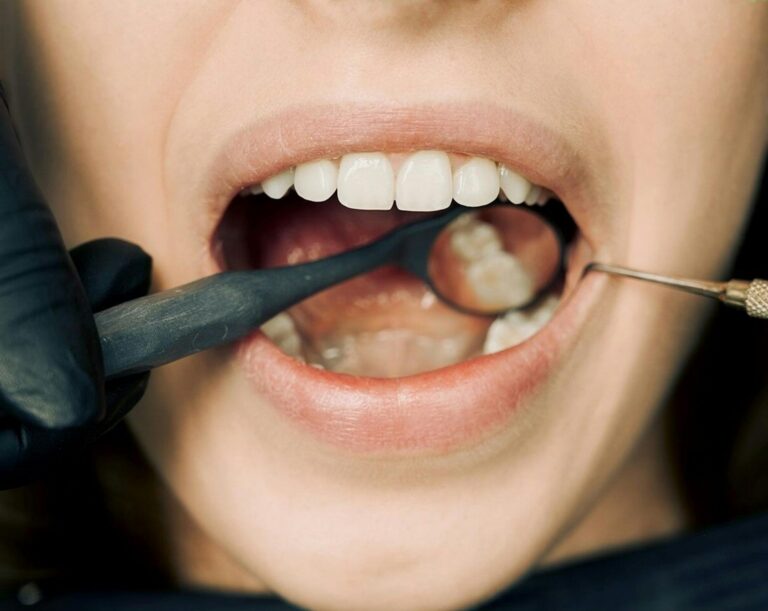
Sometimes yes — but crowns, fillings, and gum recession can change the plan. Here is what a dentist checks before deciding whether Invisalign is a good fit.

Crowns, fillings, or gum recession do not automatically rule out Invisalign. An exam shows whether your gums, restorations, and bite are stable enough to start.
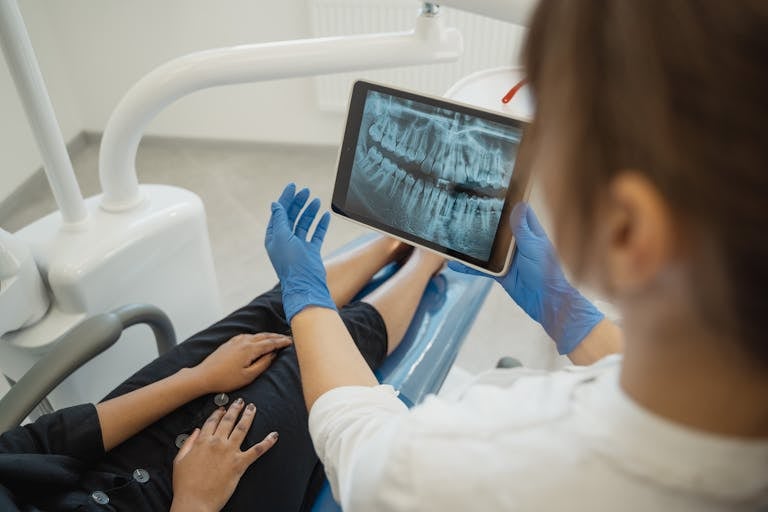
Bleeding, swollen, or receding gums are worth an exam. Learn what dentists check first, how they tell gingivitis from periodontitis, and what comes next.

If you notice sensitivity, small notches near the gumline, or gums that seem to be shrinking, brushing too hard may be part of the problem—but usually not the whole story. Here is what can cause gum recession and tooth abrasion, what to change at home, and when to book a dental exam.
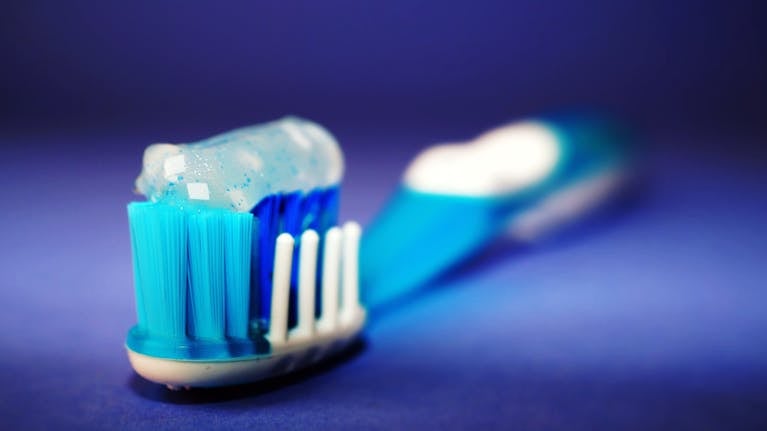
If gum recession or larger spaces are making floss less effective, a manual interdental brush may help clean those areas better. Here is how to tell when it may fit, when floss still matters, and how to choose the right size safely.
Tooth abrasion is usually not about brushing too often. It is more often about brushing vulnerable teeth too hard, with the wrong brush or toothpaste, especially after acidic foods or drinks. Learn how to protect enamel and exposed roots while still cleaning well.
End of content
End of content