4 CDCP questions to ask before a family dental appointment

Before you book, ask about eligibility, Sun Life billing, preauthorization, and any costs you may still owe. A few questions now can prevent billing surprises later.

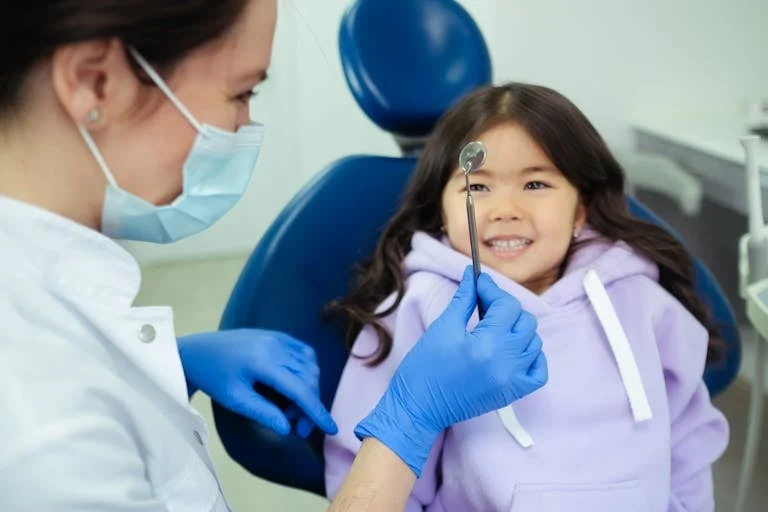
Before you book, ask about eligibility, Sun Life billing, preauthorization, and any costs you may still owe. A few questions now can prevent billing surprises later.
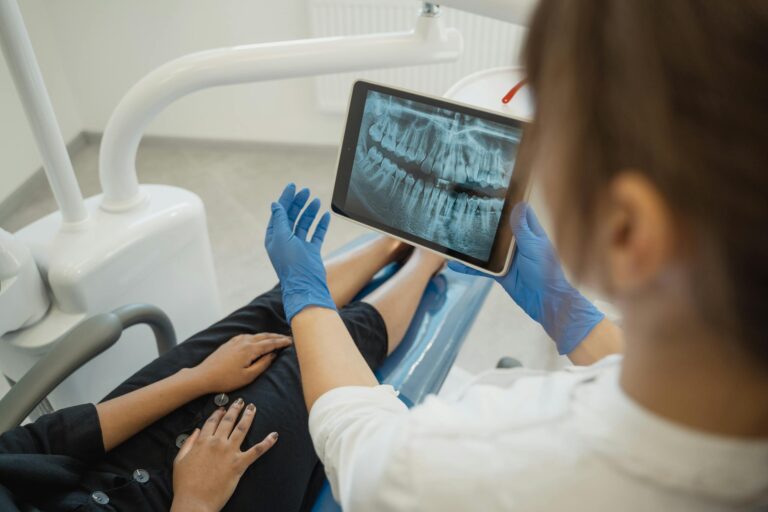
Before you book, use this Hamilton checklist to ask about CDCP, Ontario programs, direct billing, and a written estimate so you can plan for out-of-pocket costs.
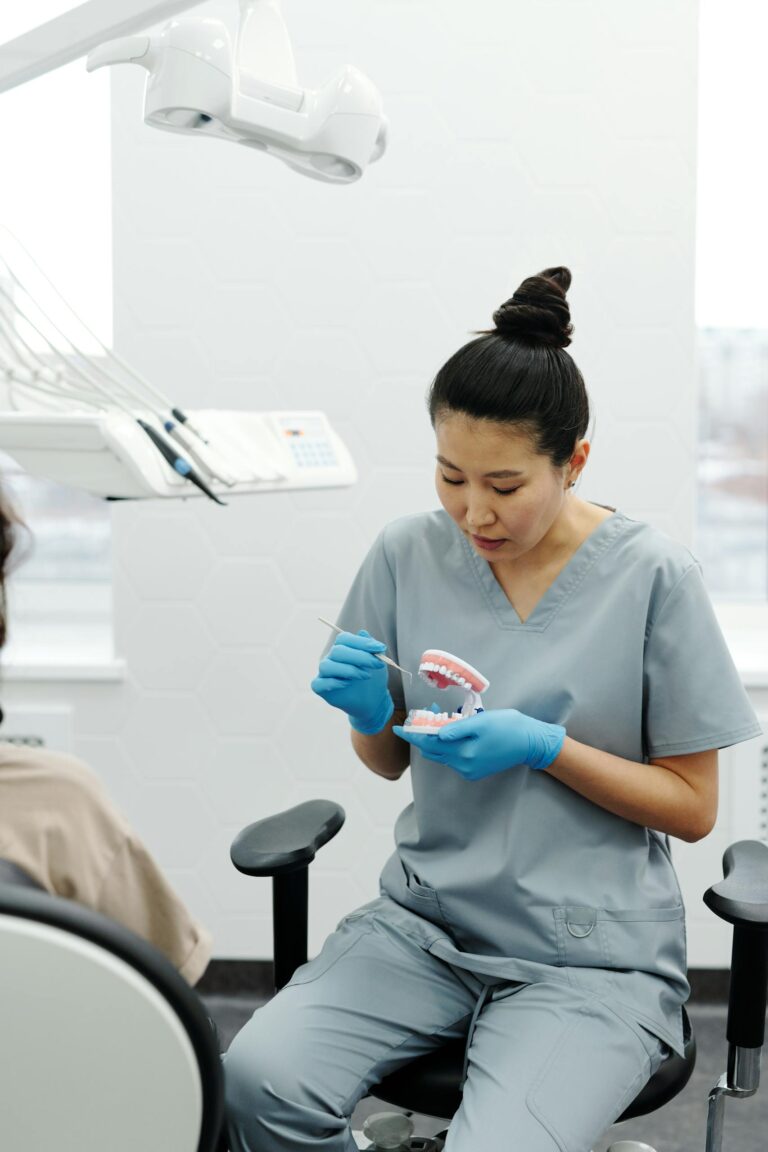
If dental visits make you tense, use these questions to find a Hamilton office that explains care clearly, respects your pace, and discusses comfort options after an exam.
A back-to-school dental planning guide for Hamilton families: when to book, how to fit visits around school and work, and when to call sooner.
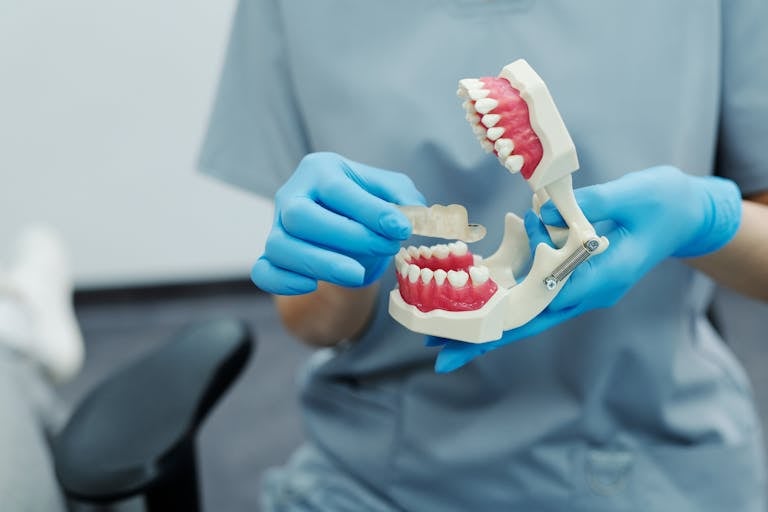
Braces and clear aligners both need daily plaque control, but the routine differs. Learn the teen-friendly habits that help protect gums and teeth.
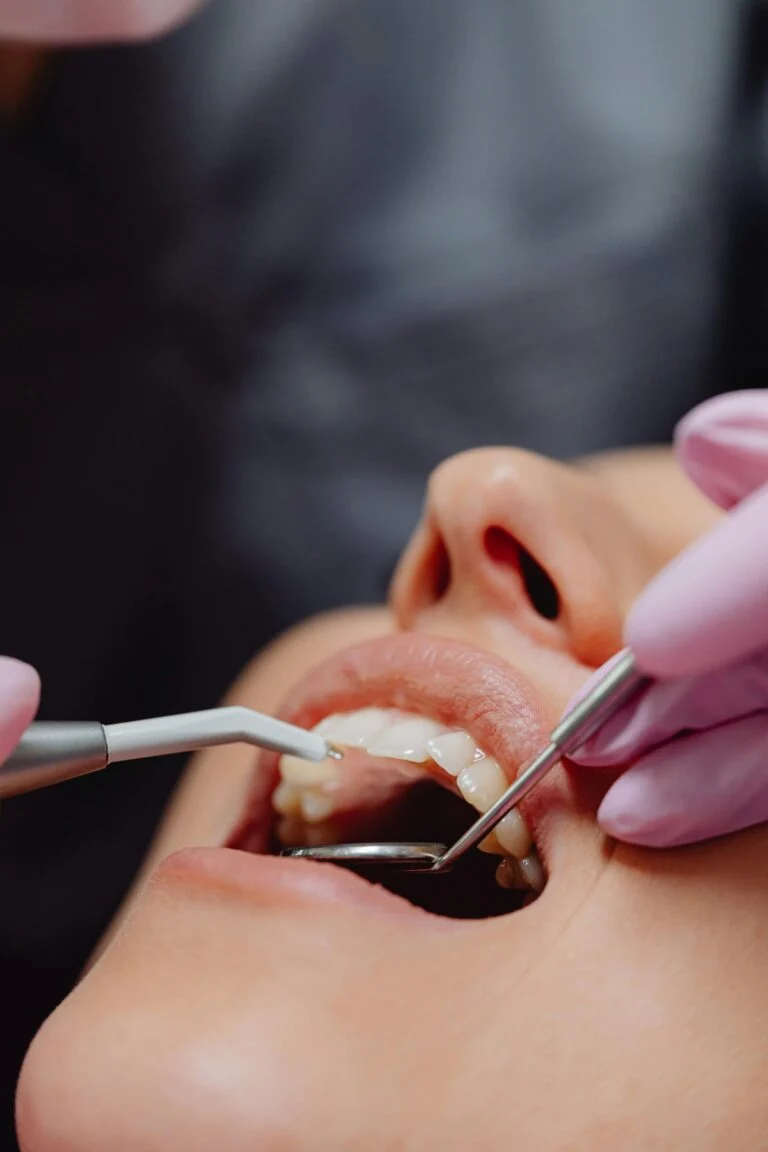
A little bleeding after you improve flossing can happen, but repeated bleeding, swelling, or bad breath is a reason to book a dental check in Hamilton.
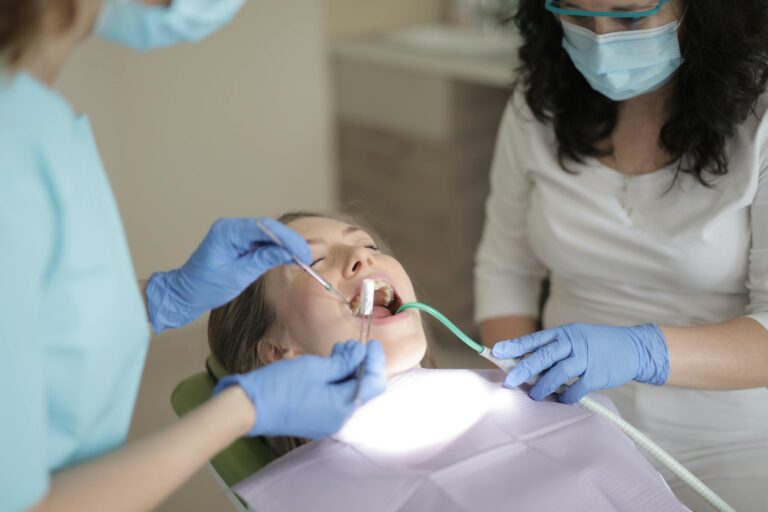
Before booking a family visit, ask five CDCP questions: is coverage active, does the office bill Sun Life, what needs approval, and what might you owe?
If dental visits make you tense, ask a few calm questions before booking. Here is how to screen a Hamilton dentist for clear communication and comfort.
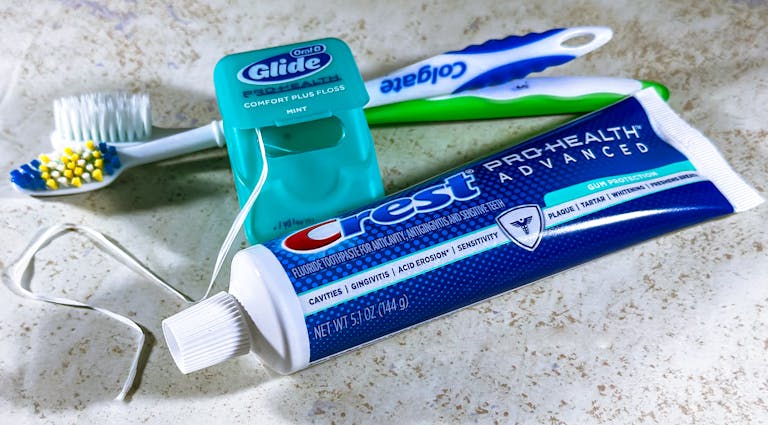
If string floss keeps slipping or feels impossible, the issue may be fit, not effort. Learn which cleaner may suit tight teeth, wider spaces, or dental work.
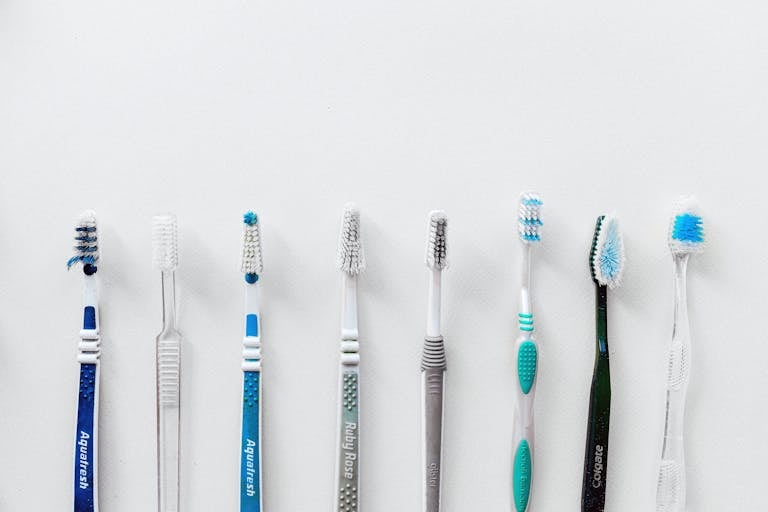
A practical family guide to choosing a toothbrush based on habit, age, and dexterity. The best brush is the one your family will use well twice a day.

A little gum bleeding can happen after a lapse in flossing, but recurring bleeding with swelling, recession, bad breath, loose teeth, or chewing pain should be checked.

If you notice sensitivity, small notches near the gumline, or gums that seem to be shrinking, brushing too hard may be part of the problem—but usually not the whole story. Here is what can cause gum recession and tooth abrasion, what to change at home, and when to book a dental exam.
End of content
End of content