Why routine dental checkups protect your smile near Strathcona Hamilton
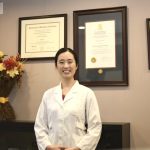
I am Dr. Cindy Li at Excel Dental on East Avenue South in Hamilton, and I enjoy helping families in and around Strathcona keep their smiles healthy with comfortable, routine checkups that catch problems early and keep treatment simple.
How routine dental checkups protect your teeth and gums
When I see patients regularly, I can usually spot tiny changes long before they start to hurt. A small cavity, a bit of gum irritation, or a worn filling is much easier and less expensive to fix when it is caught early. By the time pain shows up, the problem is often more advanced and may need more complex care.
Checkups are also a chance to remove the plaque and tartar that daily brushing and flossing cannot reach. My hygienists and I pay close attention to the areas behind the lower front teeth and around the molars, where buildup hides quietly. Keeping these areas clean helps prevent gum disease, which is still one of the most common reasons adults lose teeth.
I also use routine visits to look at your bite and how your teeth are wearing down. Signs like tiny fractures, flattening of the edges, or receding gums can tell me that you grind or clench, or that a filling or crown is not fitting quite right. Adjusting these issues early often prevents cracked teeth and sensitivity later.
What to expect at a checkup near Strathcona Hamilton
When you come to see me at 49 East Avenue South, my goal is to make your visit calm, on time, and straightforward. We start with a conversation about any concerns: sensitivity, bleeding gums, jaw discomfort, or changes you have noticed at home. I find that when patients feel listened to, the entire visit becomes less stressful.
Your teeth are then cleaned carefully, including polishing and flossing, and your gums are measured for signs of inflammation or recession. I keep patients informed as we go, using clear language instead of technical terms whenever possible. If I see something concerning, I will pause and show you with a mirror or digital image so you can understand what I am seeing.
I also check the soft tissues of your cheeks, lips, tongue, and the floor and roof of your mouth. This oral cancer screening takes only a few minutes and is painless. I have detected unusual spots in patients who felt perfectly fine, and getting them to a specialist early made a real difference.
How often should you visit the dentist?
Most healthy adults I see near Strathcona do well with a checkup and cleaning every six months. That schedule allows me to monitor your mouth closely and maintain a good baseline for comparison. If everything looks consistently stable, I may occasionally suggest lengthening the interval slightly.
Some patients need more frequent visits. If you have gum disease, diabetes, dry mouth, a history of frequent cavities, or you smoke, a three to four month schedule often works better. In my practice, I customize the timing based on your medical history, your oral health, and how your mouth responds over time.
Children and teens also benefit from regular visits, since their mouths change quickly as they grow. I monitor their tooth eruption, jaw development, and brushing habits, and I often coach parents on simple home routines that make a big difference between visits.
How cleanings and exams prevent bigger dental problems
A professional cleaning does much more than make your teeth feel smooth. Tartar that hardens along the gumline cannot be removed safely with at‑home tools, and leaving it in place irritates the gums and bone. Over years, that irritation can lead to gum disease, loose teeth, and bad breath. By gently removing this buildup on a regular basis, we prevent those long‑term changes.
During an exam, I look for early tooth decay, cracks, leaking fillings, and signs of infection. Sometimes I see only a faint shadow on the enamel or a small color change, and we can manage it with fluoride, sealants, or a small filling instead of waiting until it needs something more extensive. I often compare it to servicing a car: regular maintenance keeps things running well and avoids sudden breakdowns.
I also pay attention to the way your jaw joints and chewing muscles feel. Headaches, ear discomfort, or soreness in the morning can be related to how your teeth meet. Identifying these patterns early lets us discuss options like night guards or bite adjustments to protect your teeth and relieve strain.
The role of dental X‑rays in early detection
X‑rays are a valuable tool that allows me to see between teeth and under existing restorations where my eyes and instruments cannot reach. I use them to detect cavities starting between teeth, infections at the root tips, bone loss, and hidden problems like impacted teeth or cysts. Without X‑rays, many serious issues would only be found when they are already painful.
In my office, we use digital imaging systems that keep radiation levels very low. A standard set of bitewing X‑rays usually exposes you to less radiation than a short airplane flight. I only recommend X‑rays when they are truly needed and tailor the frequency to your age, risk level, and current concerns.
I understand that some patients feel anxious about X‑rays. I am always happy to explain what each image shows and why it is helpful in your specific case. When patients see their own images on the screen, they often feel more in control and more comfortable with the process.
Protecting your smile between visits
The time between checkups is where your daily habits really matter. Brushing at least twice a day with a soft toothbrush and a fluoride toothpaste, and cleaning between your teeth once a day, is still the foundation of good oral health. In my practice, I often adjust brushing techniques for each person, especially for those with sensitive gums or crowded teeth.
Diet plays a big role. Frequent sipping of sugary drinks, including many coffees and teas with added sugar, can keep your mouth in a constant acid state that weakens enamel. I usually recommend limiting sweet snacks to mealtimes and drinking water between meals. For patients with dry mouth from medications, choosing xylitol gum or lozenges can help stimulate saliva.
I also talk to many patients about protecting their teeth during sports and nighttime grinding. Custom mouthguards for sports and night guards for clenching or grinding can prevent fractures, chipping, and jaw pain. These simple devices often save people from needing crowns or more extensive restorative work later in life.
Addressing dental anxiety and building trust
Many of my patients from Strathcona and nearby neighbourhoods arrive with some level of dental anxiety, often because of experiences they had years ago. I take that very seriously. I always start by asking about past experiences and specific worries, so we can build a plan that feels safe and respectful.
In my treatment rooms, I move slowly and explain each step before I begin. I encourage patients to raise a hand if they need a pause, and I check in frequently during treatment. Something as simple as adjusting the chair position, using extra numbing gel, or breaking a visit into shorter appointments can make a big difference.
I have seen patients who avoided the dentist for many years finally feel comfortable returning when they feel heard and not judged. Over time, their anxiety often decreases as they experience visits that are calm, predictable, and pain controlled. That trust is one of the most rewarding parts of my work.
Why patients near Strathcona Hamilton choose Excel Dental
My practice at 49 East Avenue South is a short drive or bus ride from Strathcona, and I care for many patients from the west side of Hamilton who work or study downtown. They appreciate that we respect their time, explain options clearly, and keep the environment friendly and relaxed.
I focus on building long‑term relationships. I keep detailed notes on each patient’s history, preferences, and goals so I can advise them as their needs change through different stages of life. Whether it is a child’s first visit, a busy professional managing tight schedules, or a senior with complex dental work, I tailor care to what truly fits.
Technology supports this approach. Digital records, modern sterilization, and up‑to‑date imaging help me detect problems accurately and plan treatment efficiently. Combined with a caring team that enjoys getting to know our patients, this helps people feel confident and well looked after.
FAQ about routine dental checkups near Strathcona Hamilton
How often do I really need a dental checkup if my teeth feel fine?
If everything feels fine, I still usually recommend a visit every six months. Problems like cavities and gum disease are often painless in the early stages, and I can often treat them very conservatively if I catch them early.
I live in the Strathcona area. Is it worth driving across town for checkups?
I see many patients from Strathcona who work, study, or shop near downtown Hamilton. They like having a dentist close to the core and appreciate consistent, personalized care. If you value a practice that takes time to explain things and works with your schedule, the short drive is usually worth it.
What happens if I have not seen a dentist in years and feel embarrassed?
Please do not feel embarrassed. I see patients all the time who have been away from dental care for years due to busy lives, anxiety, or other health issues. My role is to help, not judge. We start with a gentle exam, discuss your priorities, and create a plan that feels manageable for you.
Are routine cleanings painful?
Cleanings should not be painful. If your gums are inflamed or you have a lot of tartar, you may feel some sensitivity, but I can adjust the technique, use numbing gel, or take breaks to keep you comfortable. Over time, as your gums get healthier, cleanings usually feel easier.
Why do I need X‑rays if you can already see my teeth?
I can see the surfaces of your teeth, but I cannot see between them or inside the bone without X‑rays. Cavities, infections, and bone loss often hide in these areas. X‑rays help me catch issues early so we can often treat them before they become painful or complicated.
My gums bleed when I brush. Should I wait for that to stop before coming in?
Bleeding gums are usually a sign of inflammation, not a reason to delay a visit. I recommend booking an exam so I can check for gum disease and show you how to clean more effectively. Many patients notice that bleeding improves quickly after a professional cleaning and proper home care.
Can checkups really help prevent bad breath?
Yes. Persistent bad breath is often linked to plaque and tartar buildup, gum disease, or trapped food particles. In my practice, a thorough cleaning, treatment of any gum issues, and guidance on tongue cleaning and home care often make a noticeable difference.
Is there a “best” age to start bringing children for checkups?
I recommend bringing children around their first birthday or within six months of their first tooth appearing. Early visits are usually short and gentle, and they help your child get used to the dental environment while we give you tips on caring for their new teeth.
What can I do at home to make my checkups easier?
Brushing twice a day with fluoride toothpaste, cleaning between your teeth daily, and limiting sugary snacks and drinks will make a big difference. If you tend to forget flossing, I often suggest using floss picks or interdental brushes, which many patients find easier to use regularly.
How do you handle patients who are very nervous about injections or drilling?
I take extra time with nervous patients. I use strong numbing gel before any injection, inject slowly, and check repeatedly to ensure you are numb before I begin. I explain what you might feel in simple terms and invite you to signal if you need a break. Many patients tell me the experience is far easier than they expected.
Can regular checkups save me money in the long run?
Very often, yes. Treating a small cavity or early gum problem is far less costly than waiting until it needs a root canal, extraction, or more advanced gum treatment. Routine care is an investment that usually reduces the need for emergency visits and major procedures.
Do you offer evening or flexible appointments for working patients?
Appointment availability can change, but I do my best to accommodate work and school schedules. When you call my office, my team will help you find a time that fits, and we aim to run on time so you can get back to your day without long waits.
More information
For reliable dental health information, I often recommend the Ontario Dental Association at www.oda.ca for articles on preventive care and treatment options, the Canadian Dental Association at www.cda-adc.ca for national guidelines and patient resources, and Ontario’s official site at www.ontario.ca for public health programs and information about accessing care. These resources complement the personalized advice you receive in my office and help you feel informed between visits.
If you live or work near Strathcona Hamilton and are ready to schedule a comfortable, thorough checkup, I invite you to call my office at 905-529-2164 and we will be happy to help you book a visit.