Gentle senior dental care near Strathcona Hamilton for healthy smiles
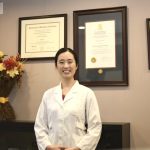
I am Dr. Cindy Li, and I enjoy helping Hamilton seniors and retirees protect their smiles with comfortable, respectful, and thorough dental care here at Excel Dental on East Avenue South, just a short drive from the Strathcona neighbourhood.
Why gentle senior dental care matters
As we get older, our mouths change along with the rest of our bodies. Gums may recede, teeth can become more sensitive, medications can dry the mouth, and existing dental work ages. I see every day how these changes can affect comfort, confidence, and overall health if they are not addressed with the right approach.
I make it a priority to create a calm, unhurried environment where you feel listened to. Many of my senior patients tell me they have had rushed or uncomfortable experiences in the past. In my practice, we take extra time to understand medical conditions, medications, and mobility needs so that your dental plan feels realistic and manageable.
Personalized dental care for seniors near Strathcona
No two seniors have the same dental history, so I always start with a detailed conversation and a gentle, thorough examination. I look at your teeth, gums, existing fillings and crowns, any dentures or partials, and the soft tissues of your cheeks, lips, and tongue. I also review your medical history, including heart conditions, diabetes, joint replacements, and current medications.
From there, I design a personalized plan that fits your comfort level and budget. For some patients that means focusing on stabilizing a few key teeth so they can keep chewing comfortably. For others it may involve updating older restorations, adjusting dentures, or simply maintaining already healthy gums and teeth. My goal is to help you keep eating the foods you enjoy and smiling with confidence.
Common oral health concerns in older adults
Many seniors in Hamilton are surprised to learn that it is absolutely possible to keep natural teeth for life. The main challenges I see include gum disease, dry mouth, root decay, and worn or broken dental work. These issues often creep up slowly, so regular visits help us catch them while they are still small and easier to treat.
Dry mouth is especially common because of blood pressure pills, heart medications, and treatments for anxiety, pain, or allergies. A drier mouth means less natural protection against cavities and infections. I talk with each patient about simple strategies such as saliva substitutes, sugar-free xylitol lozenges, gentle mouth rinses, and small changes in daily habits that can make a big difference.
Adapting care for medical conditions and medications
Many of my senior patients live with conditions such as diabetes, heart disease, arthritis, dementia, or a history of stroke. I always coordinate care around these realities. That includes checking blood pressure when appropriate, timing appointments around meals and medications, and adjusting treatment plans to reduce stress on your body.
Medications can affect bleeding, healing, saliva flow, and how your mouth responds to treatment. I routinely review your prescription list and, when needed, communicate with your physician or pharmacist. This team approach helps us plan dental treatment that is safe and comfortable, whether we are doing a simple cleaning or a more involved procedure.
Comfortable cleanings and gum care
Many seniors worry that cleanings will hurt, especially if they have sensitive teeth or gums. I use gentle techniques and modern instruments to remove plaque and tartar without unnecessary discomfort. When needed, I apply a numbing gel or a bit of local anesthetic so we can clean thoroughly while you stay relaxed.
Healthy gums are just as important as healthy teeth. Gum infection can affect chewing, cause bad breath, and in advanced stages even contribute to tooth loss. In some cases, I recommend more frequent cleanings, such as every 3 to 4 months, to keep inflammation under control. We also talk about at-home care that fits what you can realistically manage with your hands, eyesight, and daily routine.
Restoring and replacing teeth in later years
Losing a tooth in your 60s, 70s, or 80s is not unusual, but it should not be ignored. Gaps can affect how you chew, the stability of nearby teeth, and even your speech. I take time to explain all suitable replacement options, including partial dentures, full dentures, and implant-supported solutions when appropriate and medically safe.
Often, my senior patients want simple, durable solutions that feel natural and are easy to maintain. Whether we are adjusting an existing denture for a better fit or planning a new restoration, my focus is on function, comfort, and long-term value rather than overly aggressive treatment.
Helping with dry mouth, bad breath, and sensitivity
Persistent dry mouth, bad breath, and tooth sensitivity are very common concerns that can be embarrassing to talk about. I invite you to bring them up openly. These issues are usually manageable once we identify the underlying causes.
To help, I may recommend specific mouth rinses, high-fluoride toothpaste, custom trays for strengthening weakened enamel, or simple diet changes such as spacing out acidic foods and drinks. For dry mouth, we can look at saliva substitutes, gels, and sprays that many of my patients find very soothing, especially at night.
Practical tips for easier home care
Arthritis, tremors, and reduced vision can make brushing and flossing challenging. I often help seniors adapt their routines with small, practical changes. This can include recommending electric toothbrushes with larger handles, floss holders or interdental brushes, and simple ways to position yourself at the sink to reduce strain.
When a spouse, partner, or caregiver is involved, I am happy to include them in the conversation so that everyone feels confident about daily mouth care. Keeping things simple is crucial: a routine you can comfortably follow every day is far better than an ideal plan that feels overwhelming.
Creating a calm, respectful visit experience
Dental visits can be stressful, especially if you have had difficult experiences in the past or feel anxious about what we might find. I do my best to create a calm atmosphere, explain each step in clear language, and check in frequently about how you are feeling. You always have the right to ask questions, pause, or stop a procedure.
For many seniors, shorter, more frequent appointments are more comfortable than long sessions. We can break treatment into phases so that you never feel rushed or pushed into decisions. My role is to guide you with honest information and gentle care, while you remain in control of your choices.
FAQs about senior dental care near Strathcona Hamilton
How often should I see you for checkups at my age?
For most healthy seniors, I recommend a visit every 6 months. If you have gum disease, dry mouth, a lot of existing dental work, or medical conditions such as diabetes, I may suggest every 3 to 4 months so we can stay ahead of problems. We will decide together what schedule fits your health and lifestyle.
Is it worth fixing my teeth in my 70s or 80s?
In my experience, quality of life improves at any age when you can chew comfortably and smile with confidence. Treatment does not have to be aggressive. Often we focus on keeping you pain-free, preserving the teeth you rely on, and choosing simple solutions that give you good function without overcomplicating things.
What if I am nervous about dental work?
You are not alone. Many of my senior patients feel anxious, especially if they had painful visits years ago. I use very gentle techniques, take things slowly, and explain each step before I begin. We can use numbing gel, local anesthetic, and short appointments to make things easier. You are always welcome to tell me when you need a break.
Can my medications affect my teeth and gums?
Yes. Many common medications for blood pressure, heart conditions, depression, allergies, and pain can cause dry mouth or affect bleeding and healing. I always review your medication list and adjust our approach when needed. In some cases, I work with your doctor to find ways to reduce side effects on your mouth.
What can I do about loose or uncomfortable dentures?
Dentures often become loose as the shape of the jaw changes over time. In my practice, I can reline dentures to improve their fit, adjust pressure points, or, if needed, design a new set that matches your current mouth shape. In some cases, we also talk about implant-supported options for extra stability, if your health allows.
Are bleeding gums normal as I get older?
Bleeding gums are common, but they are not normal. They are usually a sign of gum inflammation or infection. The sooner we look at them, the easier they are to treat. I typically recommend a professional cleaning to remove plaque and tartar, along with customized advice for brushing and cleaning between your teeth at home.
What if I have trouble holding a toothbrush because of arthritis?
This is a concern I hear often. An electric toothbrush with a larger handle can make brushing much easier. Some patients benefit from simple handle modifications, such as adding a rubber grip or foam. I can show you different options and help you find a routine that works with your hands and mobility.
Do I still need X‑rays as a senior?
In many cases, yes, but we keep them as minimal and targeted as possible. X‑rays help me see areas between teeth, under fillings, and near the roots where decay, infection, or bone loss can hide. I always consider your medical history and only take X‑rays when they are truly helpful for your care.
Can dental problems affect my overall health?
They can. Untreated gum disease and infections in the mouth are linked to issues like poor blood sugar control in diabetes, and they can place extra strain on the body. Painful teeth also make it harder to eat well. By keeping your mouth healthy, we support your comfort, nutrition, and general health.
Is it safe to have dental work if I have heart disease or a pacemaker?
In most cases, yes, with proper planning. I carefully review your heart history, current medications, and any recommendations from your cardiologist. Sometimes we give antibiotics before certain procedures or adjust how we schedule and perform treatment. Safety and comfort are always at the top of my mind.
Can you help if I care for an elderly parent with dementia?
I work with many families who support a parent or loved one with memory challenges. We focus on simple, essential care, shorter appointments, and a calm, reassuring approach. I can also guide you on how to help with daily mouth care at home, including techniques and tools that fit your parent’s abilities.
What if it has been many years since my last dental visit?
You are still very welcome. I see many patients who have been away from the dentist for a long time. My team and I do not judge. We start with a careful examination and a honest, kind conversation about what you are experiencing now. Then we build a step-by-step plan that feels realistic and respectful.
More information for seniors and caregivers
If you would like to read more about oral health for older adults, the Ontario Dental Association (oda.ca) and the Canadian Dental Association (cda-adc.ca) both offer reliable information on common dental conditions, prevention, and treatment options. The Ontario government website (ontario.ca) also provides details about certain publicly funded programs and general health resources that may be relevant to seniors and their caregivers.
If you or a loved one near Strathcona would like gentle, respectful dental care, I welcome you to call my office at 905-529-2164 so we can discuss how I can help you maintain a comfortable, healthy smile.