Protect Your Smile with Preventive Dental Care Near Ainslie Wood Hamilton
Protect Your Smile with Preventive Dental Care Near Ainslie Wood Hamilton
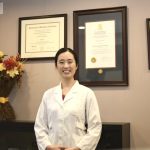
I am Dr. Cindy Li, and I enjoy helping Hamilton families feel confident about their dental health. My practice is at Excel Dental, 49 East Avenue South, Hamilton, ON L8N 2T5, and I often see neighbors from Ainslie Wood who stop in for preventive care because it keeps small problems from becoming big ones.
Why Preventive Dental Care Matters
Prevention is the foundation of everything I do in clinic. Regular checkups and cleanings catch early signs of decay, gum disease, and other issues long before they cause pain or require extensive treatment. In my experience, patients who commit to routine care keep more of their natural teeth and enjoy fewer emergency visits.
Preventive care also supports overall health. I explain to patients how oral inflammation can affect blood sugar control and heart health, and I screen for oral cancer and other systemic signs during exams. A few minutes of preventive care at each visit can save weeks of recovery later.
Preventive Services I Offer at Excel Dental
At Excel Dental I provide thorough exams, professional cleanings, fluoride treatments, and dental sealants for children and adults who can benefit from extra protection. I also perform oral cancer screenings, risk assessments for gum disease, and personalized hygiene instruction so patients know what to focus on at home. When necessary, I recommend minimally invasive treatments to halt a problem before it progresses.
I tailor preventive plans to each person’s needs. For example, someone with dry mouth or a history of cavities may need more frequent fluoride and monitoring, while a patient with healthy gums may come in for maintenance every six months. My goal is to make prevention practical and effective for busy Hamilton families.
What Happens During a Preventive Visit
A typical preventive visit starts with an update about your health and any changes you’ve noticed. I examine your teeth, gums, bite, and soft tissues, and I look for signs of decay, wear, or oral disease. X-rays are taken only when needed to get a clearer picture of what is happening beneath the surface.
The cleaning includes removal of plaque and calculus followed by polishing and tailored advice on brushing and flossing. If I spot an area of concern, I explain the finding, show you images when useful, and discuss options so you can make an informed decision about next steps.
Home Care Tips to Protect Your Smile
Good home care is the best investment you can make. I recommend brushing twice daily with a fluoride toothpaste and flossing once a day. For many patients, an interdental brush or water flosser can make cleaning between teeth easier and more effective, especially around dental work.
Diet and habits matter too. Limiting sugary snacks and acidic drinks reduces cavity risk. If you grind your teeth at night, ask me about a night guard—protecting tooth enamel early saves headaches and restorations later.
Caring for Children and Seniors
For children I emphasize early visits and prevention through fluoride and sealants. Establishing a dental home by the time the first tooth appears helps children get comfortable with care and allows me to monitor growth and development from the start. I work with parents on realistic, positive strategies to build healthy habits at home.
Seniors often face different concerns such as gum recession, dry mouth, and root sensitivity. I coordinate preventive strategies that account for medications and physical limitations, and I work with caregivers to make daily oral care manageable and effective.
My Approach to Patient Comfort and Communication
I aim to create a calm, respectful environment where questions are welcome. I take time to listen to each person’s concerns and explain procedures in plain terms. When patients understand why a recommended preventive step matters, they are more likely to follow through and see real benefits.
I also use the latest gentle techniques and materials to minimize discomfort. If you are anxious about dental visits, tell me—together we can plan an approach that eases nerves while maintaining excellent preventive care.
FAQ
How often should I come in for a cleaning and exam?
I generally recommend every six months for most patients, but I tailor the schedule based on your risk factors. If you have active gum disease or frequent cavities, I might suggest more frequent visits.
Are dental X-rays safe for routine checkups?
Yes. When indicated, I use low-dose digital X-rays to get a clear view of areas not visible during an exam. I only take X-rays as needed and follow safety guidelines to minimize exposure.
Can fluoride help adults or is it just for kids?
Fluoride is beneficial for both adults and children. For adults with higher decay risk or exposed roots, professional fluoride treatments can strengthen enamel and reduce sensitivity.
What are dental sealants and who should get them?
Sealants are thin protective coatings applied to chewing surfaces to prevent decay. I often recommend them for children and teenagers, and for adults with deep grooves in their molars that trap food.
How can I tell if I have gum disease?
Signs include bleeding when you brush or floss, persistent bad breath, receding gums, and loose teeth. In my practice I assess pocket depths and overall gum health to detect disease early.
Is electric toothbrush better than a manual one?
Both can be effective if used properly. I often recommend electric brushes for patients who struggle with technique because they can make it easier to achieve consistent, thorough cleaning.
What should I do if I have a dental emergency after hours?
Call our office at 905-529-2164 and follow the voicemail instructions for emergency care. If you are experiencing severe pain, swelling, or bleeding that you cannot control, seek urgent medical attention or visit an emergency department.
Are preventive treatments covered by Ontario Health Insurance?
Basic emergency dental care is not covered under Ontario Health Insurance, but many preventive services for children and some seniors may be covered through public programs or private plans. I encourage you to bring your insurance information and I can help you understand your coverage.
How do you screen for oral cancer during a checkup?
I visually and manually examine the soft tissues of the mouth, lips, tongue, and throat for any suspicious lumps, sores, or color changes. If I find something concerning, I explain the next steps, which may include monitoring, referral, or biopsy.
What can I do about sensitive teeth?
Sensitivity often comes from exposed roots or enamel wear. I recommend desensitizing toothpaste, fluoride treatments, and in some cases a protective restoration. I assess the cause first so we can choose the right approach.
More Information
For reliable, up-to-date information about oral health in Ontario, I recommend visiting the Ontario Dental Association at oda.ca for patient resources and prevention tips, and the Government of Ontario at ontario.ca for public dental program details and eligibility. The Canadian Dental Association at cda-adc.ca also offers national guidance on preventive care and oral health literacy that I find useful to share with patients.
If you’d like to protect your smile or have questions about prevention at my office, call 905-529-2164 and I’ll be happy to help you schedule an appointment.