Oral hygiene tips for busy downtown Hamilton workers on the go
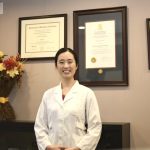
I am Dr. Cindy Li of Excel Dental at 49 East Avenue South here in Hamilton, and I know how hard it can be to prioritize your mouth when you spend your days racing between offices, meetings, and transit. Over the years I have helped many downtown professionals protect their teeth and gums with small, realistic habits that fit into busy schedules, and in this article I would like to share the practical strategies that work best for my own patients.
How a hectic Hamilton workday affects your teeth and gums
Many of my patients who work in downtown Hamilton live on coffee, quick snacks, and late lunches. That routine is tough on your teeth. Sipping coffee all morning keeps your mouth in an acidic state, which weakens enamel and encourages staining. Grabbing something sugary from Jackson Square or a food truck between meetings feeds cavity‑causing bacteria all day long.
When you are under pressure at work, your mouth often shows it. I regularly see jaw clenching and teeth grinding in people with demanding jobs. Over time that can chip teeth, wear down enamel, and cause headaches. Busy days also make it easy to postpone or skip routine dental visits, so small issues like early cavities or mild gum inflammation can quietly grow into bigger problems that require more time and treatment later.
The good news is that you do not need a perfect schedule to maintain a healthy smile. You just need a few intentional habits that you can realistically keep during the workday.
The non‑negotiable basics: brushing, flossing, and rinsing
If you remember one thing from this article, let it be this: thorough brushing twice a day and daily flossing still matter more than any fancy product. I recommend brushing for two full minutes, morning and night, with a soft‑bristled toothbrush and a fluoride toothpaste. In my practice I often show patients how to angle the bristles gently toward the gumline so plaque is removed without irritating the gums.
For flossing, consistency is more important than perfection. Many of my downtown patients prefer floss picks or small interdental brushes because they find them easier to use. That is perfectly fine. The goal is to clean between every tooth at least once a day to disrupt the bacteria that cause cavities and gum disease.
I also suggest adding a simple alcohol‑free fluoride mouth rinse once a day, usually at night. It gives your teeth added protection, especially if you have a history of cavities or dry mouth. A 30‑second rinse is easy to fit in even after a very long day.
Small portable tools that fit in your bag or desk
Because you spend so much time away from home, a small “tooth kit” at the office can make all the difference. I like to see patients carry a travel‑size toothbrush, a small tube of fluoride toothpaste, and a few floss picks or a short length of floss in a clean container. It takes almost no space in a laptop bag or purse, and it removes the biggest barrier I hear: “I didn’t have my toothbrush with me.”
Sugar‑free xylitol gum is another useful ally. Chewing it after meals or coffee breaks stimulates saliva, which helps neutralize acids and rinse away food particles. I often recommend this for patients who do not have easy access to a sink, such as those working in retail, hospitality, or on construction sites around the city.
If bad breath is a concern before client meetings, a small tongue scraper can help. Much of the bacteria that cause odour live on the tongue. A gentle scrape once or twice a day, followed by a rinse, can keep your breath noticeably fresher.
Making the most of coffee breaks and lunch hours
Downtown Hamilton runs on coffee, and I am not going to tell you to give it up. Instead, I help patients adjust how they drink it. Try to enjoy your coffee in one sitting rather than sipping slowly for hours. Every sip restarts the acid attack on your enamel. If you can, drink water right after to dilute the acids and sugars.
During lunch, choose options that are kinder to your mouth. Meals that include crunchy vegetables, cheese, nuts, and whole grains are better choices than sticky sweets or constant snacking. I see fewer cavities in patients who eat full meals and then give their mouths a break, compared to those who graze all afternoon.
If you have access to a washroom, a quick brush after lunch is ideal. When that is not possible, rinsing your mouth thoroughly with water and chewing sugar‑free gum for 10 to 15 minutes still helps. These small steps reduce food debris and acidity, and over the years I have seen them significantly improve patients’ checkup results.
Smart snack and drink choices around downtown Hamilton
Our downtown has plenty of tempting snacks: bubble tea, baked goods, and sugary drinks are never far away. Enjoying them occasionally is fine, but frequent sugar hits can be rough on your teeth. I encourage patients to treat sweets as part of a meal instead of an all‑day habit. For example, if you want a dessert from a nearby café, have it right after lunch instead of as a separate mid‑afternoon snack.
For drinks, your teeth prefer water, plain milk, or unsweetened tea. Sparkling water is generally safe, but I suggest not sipping it continuously for hours. Many flavoured waters contain added acids or sugars, so checking the label is worthwhile. I often recommend keeping a refillable water bottle at your desk and taking regular sips throughout the day to stay hydrated and support healthy saliva flow.
When you need an energy boost, try a piece of fruit and a handful of nuts instead of candy or chocolate bars. Patients who make that trade even a few days a week usually notice less sensitivity and fewer new cavities over time.
Coping with stress, grinding, and long hours
Hamilton’s downtown workers often tell me that stress is simply part of their job. Your teeth can pay the price. I frequently see signs of clenching and grinding in people who work long hours at computers, spend a lot of time on calls, or manage teams. This can cause jaw pain, headaches, cracked fillings, and worn enamel.
If you wake with a sore jaw or notice yourself clenching during meetings or while driving along Main or King, mention it at your appointment. I may recommend a custom night guard to protect your teeth while you sleep. Some patients also benefit from simple stretching exercises, posture changes at their workstation, and short relaxation breaks during the day.
Sleep is another piece of mouth health that busy people underestimate. Poor sleep and mouth breathing can dry your mouth and increase your risk of cavities and gum disease. When I see repeated issues that do not match a patient’s home care, I often ask about snoring, sleep quality, and fatigue so we can address the broader picture, sometimes in collaboration with their physician.
Fitting dental visits into a packed schedule
I know that taking time away from work is hard, especially if you commute into the core or juggle family responsibilities. However, regular checkups and cleanings typically save you time in the long run. Catching early decay, gum problems, or cracked fillings is almost always quicker and more comfortable to address than waiting until something hurts.
At Excel Dental I try to work with patients’ schedules by offering appointments outside the traditional mid‑day window when possible, and by helping plan multi‑step treatments in efficient stages. Many of my downtown patients like to book early morning or late‑day visits so they miss minimal work, or they plan around days when they already expect to be near the office.
If you struggle to remember, I suggest booking your next visit before you leave the office and putting it straight into your calendar with a reminder. Treat it like any other professional commitment to yourself. Your future self will thank you when you avoid dental emergencies that disrupt far more of your work time.
Simple daily routine I often recommend
In my practice I have found that busy professionals do best with a short, clear routine that does not feel overwhelming. Here is a pattern that works well for many of my Hamilton patients:
Morning: Brush thoroughly with fluoride toothpaste for two minutes before you leave home, floss if you have not done it the night before, and drink a glass of water before your first coffee.
Workday: Try to keep sugary snacks and drinks to limited moments rather than all‑day sipping. After lunch or your main meal, brush if you can. If not, rinse with water and chew sugar‑free gum. Stay hydrated throughout the afternoon.
Evening: Floss carefully, brushing along the gumline and cleaning between every tooth. Brush again for two minutes. Finish with an alcohol‑free fluoride rinse. If I have recommended a night guard for grinding, put it in just before bed.
This may sound like a lot written out, but in real time it adds only a few minutes to your day and dramatically improves your long‑term oral health.
FAQ: What my Hamilton patients often ask
Do I really need to brush at work if I already brush twice a day?
If your home brushing and flossing are excellent and your checkups look good, you may be fine without brushing at work. However, if you often have coffee, snacks, or sugary drinks throughout the day, a quick brush after lunch or your largest meal is very helpful. I recommend it for anyone with a history of cavities, gum disease, or bad breath.
Is chewing gum after lunch enough to clean my teeth?
Chewing sugar‑free gum, especially with xylitol, is helpful because it increases saliva and can reduce acid. Still, it does not remove all plaque or food between your teeth. I see the best results when patients use gum as a backup on busy days, not as a replacement for brushing and flossing.
How can I keep my breath fresh for meetings without constantly using mints?
I suggest focusing on the root causes rather than masking odour. Good brushing, daily flossing, and cleaning your tongue make a big difference. Drinking plenty of water and avoiding frequent sugary snacks helps too. Sugar‑free gum is better than sugary mints, which can contribute to cavities. If you still struggle despite good habits, I can check for gum disease, dry mouth, or sinus issues.
What is the best toothbrush for someone who works long hours?
The “best” toothbrush is one you will use properly twice a day. Many patients like electric brushes because they are easy and effective, especially for people who feel tired at night. A soft‑bristled manual brush is also excellent if you use gentle, thorough technique. I am always happy to demonstrate brushing methods and help you choose the right brush at your appointment.
I snack because I am busy and hungry. Is there a tooth‑friendly way to do it?
Yes. If you need to snack, aim for less‑sticky options like nuts, cheese, vegetables, hummus, or yogurt with little added sugar. Try to have your snacks at set times instead of constantly nibbling. Each time you eat, your mouth becomes more acidic for a while, so fewer snack sessions are easier on your teeth.
My job is stressful, and I think I grind my teeth. What should I do?
Mention this during your visit so I can look for signs of wear, cracks, or muscle tenderness. If grinding is present, a custom night guard is often the most effective protection. We can also talk about daytime clenching, workplace posture, jaw stretches, and simple relaxation habits. Addressing grinding early usually prevents more serious damage.
How often should busy adults come in for cleanings and checkups?
For most healthy adults I recommend every six months. Some patients with gum disease, frequent cavities, or certain medical conditions benefit from more frequent visits. I base this on what I see in your mouth and your personal risk factors. Regular visits keep problems small and treatment simpler, which busy people appreciate.
I drink coffee all day at my desk. Will this ruin my teeth?
Continuous coffee drinking, especially with sugar, is tough on enamel and can cause staining. I suggest limiting coffee to specific times, rinsing with water afterward, and considering sugar‑free options. Brushing at least twice a day and seeing me for regular cleanings can minimize staining and keep your enamel strong.
What if I am too exhausted at night to floss?
In that case, I recommend flossing earlier in the evening, as soon as you are done eating for the day, rather than waiting until you are ready to fall asleep. Many of my patients find this much more manageable. If you miss a night occasionally, do not give up. Just get back to it the next day. Consistency over time matters more than perfection.
Can I just use mouthwash instead of brushing when I’m rushing to work?
Mouthwash can freshen your breath, but it does not remove the sticky film of plaque on your teeth and gums. Brushing and flossing are still essential. If you are running late, even a 1‑minute thorough brush is better than skipping it altogether and relying only on a rinse.
How can I tell if my gums are healthy?
Healthy gums are usually pink, firm, and do not bleed when you brush or floss gently. If you notice redness, swelling, tenderness, or regular bleeding, those are signs your gums need more attention. In my office I check your gums carefully and measure their health so we can address problems early.
More information
If you want to learn more about oral health, I recommend the Ontario Dental Association at oda.ca for helpful patient articles, the Canadian Dental Association at cda-adc.ca for information on prevention and treatment options, and the Ontario government health resources at ontario.ca for general health guidance and links to provincial programs. These sites are trustworthy, regularly updated, and provide clear explanations that complement the advice you receive in my office.
If you work in or around downtown Hamilton and want support tailoring these habits to your lifestyle, I would be happy to help. You can reach my team at Excel Dental at 905‑529‑2164 to arrange an appointment so we can keep your smile healthy, even on your busiest days.