Find trusted oral surgery services for North End Hamilton residents
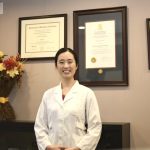
I am Dr. Cindy Li, and I enjoy helping Hamilton families feel confident about their dental health. If you live in or near the North End and are exploring oral surgery options, I provide local, compassionate care at Excel Dental, 49 East Avenue South, Hamilton, ON L8N 2T5, so you can receive treatment without long trips or unnecessary stress.
What oral surgery services do I offer near North End Hamilton?
I perform a range of oral surgery procedures that many patients need close to home. Common services at my office include extractions for damaged or painful teeth, surgical removal of impacted wisdom teeth, and the placement of dental implants when appropriate. I also manage oral infections and perform biopsies when suspicious lesions need evaluation.
For more complex cases that require hospital-based care or advanced surgical techniques, I coordinate with local specialists so patients receive the right level of care. My goal is to provide safe, effective treatment while keeping follow-up and recovery convenient for families in the neighbourhood.
When is oral surgery necessary?
Oral surgery becomes necessary when conservative treatments like fillings or root canals cannot resolve persistent pain, infection, or structural problems. Wisdom teeth that are impacted or causing pain, fractured teeth that cannot be restored, and failing roots are common reasons I recommend surgical intervention. I explain the clinical reasons clearly so patients can make informed choices.
I also consider overall health and lifestyle when recommending surgery. Chronic infection, repeated abscesses, or structural issues that affect chewing or speech are valid reasons for surgical treatment, and I tailor recommendations to each person’s situation.
What to expect during your consultation
During your initial visit I take a careful history and perform a focused clinical exam, including any necessary X-rays. I explain the diagnosis, treatment options, benefits, and potential risks in plain language, and I encourage questions so you feel comfortable with the plan. If a referral to a specialist is best, I explain why and help arrange it.
We also review medical history, medications, and any conditions that could affect healing or anesthesia. My aim is to create a clear, individualized treatment roadmap so patients know what to expect before, during, and after surgery.
Preparing for surgery and day-of care
Preparation depends on the procedure and the type of sedation chosen. For simple extractions I usually ask patients to eat lightly and continue most medications unless otherwise directed. For sedation or general anesthesia I give specific fasting instructions and review medications and transportation arrangements. I provide written instructions and a phone number for questions.
On the day of surgery I make sure you understand the steps and consent to the treatment. My team monitors comfort and vital signs throughout the procedure, and we communicate clearly about any intraoperative decisions so you feel safe and informed.
Recovery and follow-up
Recovery times vary, but I provide practical aftercare instructions to promote healing and reduce pain and swelling. This includes advice on pain control, oral hygiene, diet, and signs of complications to watch for. I schedule follow-up visits to monitor healing and remove sutures when needed.
If any unexpected symptoms arise, I encourage patients to call so we can assess and intervene early. My goal is to minimize discomfort and get you back to normal activities as quickly as is safe for your situation.
How I coordinate care with specialists and your family dentist
I communicate directly with referring dentists and any specialists involved in a patient’s care to ensure continuity. That means sharing exam findings, X-rays, and a clear treatment summary so everyone involved understands the plan. Strong communication reduces duplication and helps with long-term dental health.
When a case needs advanced surgical skills or hospital support, I arrange timely referrals and help patients understand what to expect from the specialist. I remain available to answer follow-up questions and to continue routine dental care after surgical healing.
FAQ
How painful is oral surgery?
Pain varies by procedure and individual tolerance. I provide local anesthesia and, when needed, sedation to keep you comfortable. After the procedure, I prescribe pain control and clear instructions to manage discomfort at home.
How long does it take to recover from a wisdom tooth removal?
Most people feel substantially better within a few days, with healing continuing over two weeks. If a tooth was impacted or the surgery extensive, recovery can be a bit longer. I give personalized timelines based on the complexity of the extraction.
Can dental implants fail?
Implants are highly successful, but failures can occur due to infection, poor bone quality, or systemic factors like smoking. I assess bone and health factors carefully and use protocols that reduce risk. If problems occur, I discuss options for salvage or revision.
Will I need stitches and when are they removed?
Many oral surgeries require sutures. Some are dissolvable and do not need removal, while others are removed at a follow-up visit, usually within one to two weeks. I tell you which type to expect before your procedure.
Is sedation safe for older adults?
Sedation can be safe for older adults when medical history is reviewed and appropriate monitoring is used. I work with patients’ physicians when necessary and adjust medications and sedation levels to prioritize safety.
How much will oral surgery cost and does insurance cover it?
Costs depend on the procedure and complexity. Many dental insurance plans cover part of oral surgery; I provide estimates and submit claims when possible. I review fees and coverage during the consultation so there are no surprises.
What should I eat after oral surgery?
Soft, cool or room-temperature foods are best in the first 24 to 72 hours. I recommend soups, smoothies, yogurt, and mashed potatoes, avoiding straws for the first week. I give tailored dietary guidance depending on your surgery.
When can I return to work or school?
Return-to-activity timelines depend on the procedure and your job. Many patients resume desk work within a day or two, while more physically demanding jobs may require several days off. I provide a personalized recommendation for time away from work or school.
How do you handle infections or dry socket after an extraction?
I give preventive instructions and, if an infection or dry socket occurs, I treat promptly with cleaning, medicated dressings, or antibiotics when indicated. Early treatment usually resolves the problem quickly.
Can I drive after sedation?
No. If you receive sedation I require that a responsible adult drive you home and stay with you for the first 24 hours. I explain transportation requirements at scheduling so arrangements can be made.
Are there alternatives to extraction for a badly damaged tooth?
When possible I consider restorative options like root canals and crowns, but if a tooth is fractured or has poor prognosis, extraction may be safest. I discuss all reasonable alternatives and the long-term outlook for each.
Do you treat anxious patients?
Yes. I use gentle communication, sedation options, and step-by-step explanations to help anxious patients feel more comfortable. Many patients tell me the experience was much better than they expected.
More information
For trustworthy guidance on dental procedures and patient rights in Ontario, I recommend the Ontario Dental Association (oda.ca) for patient education and practice standards, and the Government of Ontario health pages (ontario.ca) for information on public health resources and safety. The Canadian Dental Association (cda-adc.ca) also offers national guidelines and factsheets that I find helpful when explaining procedures to patients.
If you have questions or would like to schedule a consultation, please call my office at 905-529-2164 — I’m here to help you and your family feel comfortable about oral surgery choices and recovery.