
Teens With Braces or Invisalign: A Daily Routine to Help Prevent White Spots
Orthodontic treatment makes daily cleaning more important because plaque and food can collect around brackets, wires, and aligner edges. One early warning sign is a chalky white spot on the enamel. White spots are an early form of enamel demineralization, which means the tooth surface has started to lose minerals.
The simple after-meal routine
- Brush as soon as practical after eating. Use fluoride toothpaste and pay extra attention to the gumline and the areas around brackets, wires, or tray edges.
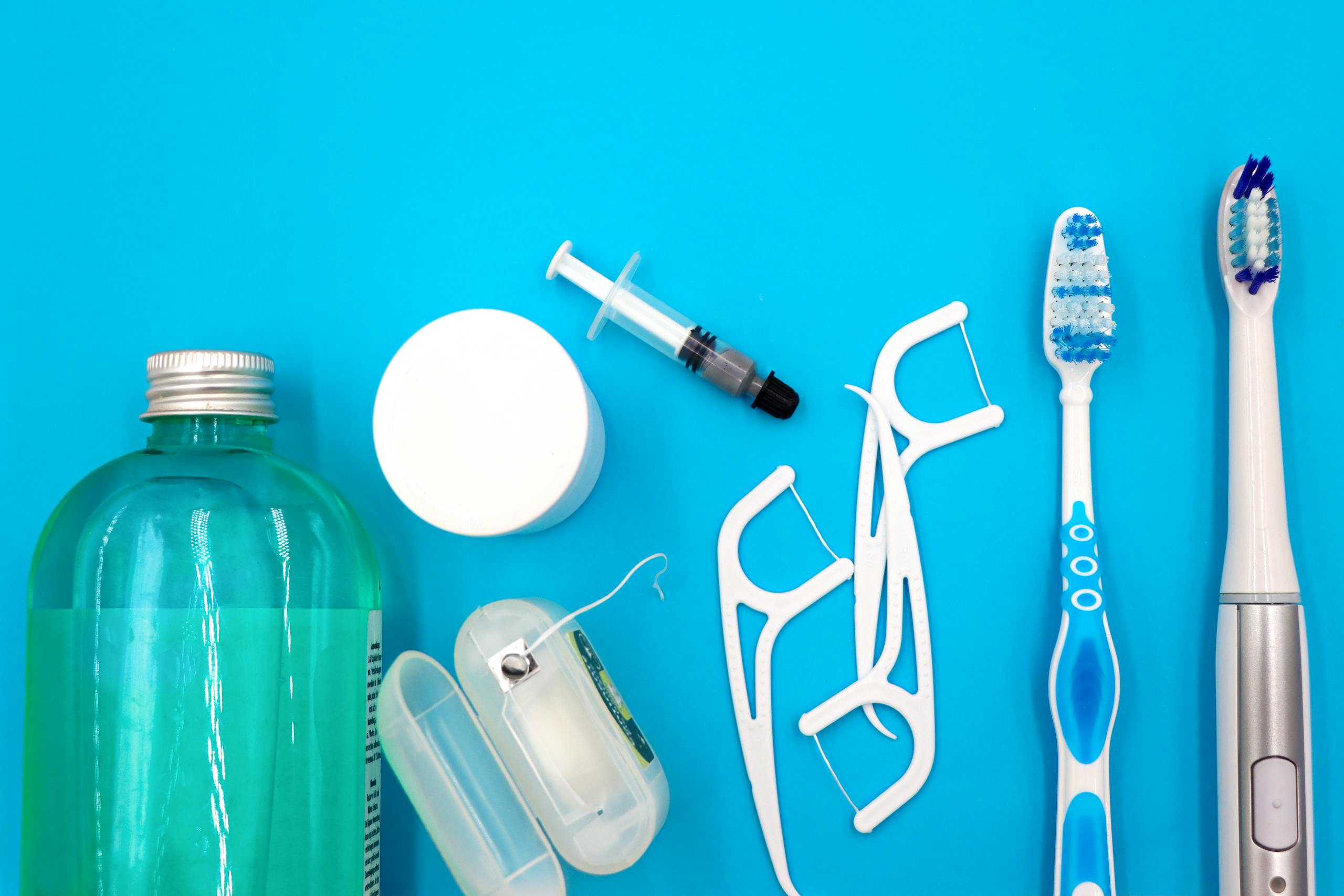
- Clean between the teeth once a day. Braces often need floss threaders, interdental brushes, or a water flosser to get into tight spaces. Aligners still need regular flossing between teeth.
- Rinse with water if brushing has to wait. This is especially useful after sugary or acidic drinks and snacks.
Mouthwash can be a helpful extra step, but it does not replace brushing and flossing.
If your teen has braces
Braces create more places where plaque can hide, especially around brackets and under wires. A routine that happens after meals is usually easier to keep up with than trying to catch up later in the day.
Helpful tools for braces often include a soft toothbrush, fluoride toothpaste, floss threaders or interdental brushes, and sometimes a water flosser. The goal is not to scrub harder. It is to clean along the gumline and around the hardware where food tends to collect.
If your teen uses clear aligners
If your teen is wearing clear aligners such as Invisalign, the main rule is simple: remove the trays for eating and for drinks other than water, then brush before putting them back in. Clean teeth and clean trays both matter, because food or sugar trapped under the aligner stays against the tooth surface longer.
Clear aligners may be easier to clean around for some teens than braces, but any advantage depends on wearing them as directed and keeping both the teeth and trays clean.
White spots, in plain language
White spots are not just a cosmetic change. They are a sign that enamel has started to change. Good brushing habits, flossing, fluoride toothpaste, and early dental help can sometimes slow or improve early spots, but not every white spot fully disappears, and some cases still need dental treatment later. Prevention is easier than repair.
When to call the dentist or orthodontist
Book a dental or orthodontic check if you notice any of these:
- Gum bleeding that keeps happening
- Swelling around the gums or teeth
- Bad breath that does not improve with cleaning
- Visible chalky white spots near brackets or along the gumline
- A broken bracket or wire
- Aligners that no longer fit properly
If cleaning has become hard to keep up with, or if your teen is worried about spots showing up, a checkup can help catch problems early and make the routine easier to follow.
For Hamilton families, Excel Dental can help review brushing and flossing technique, talk through the tools that fit your teen’s routine, and check whether white spots or appliance issues need a closer look. If you want practical coaching instead of guesswork, a routine hygiene visit is a good place to start.
Key sources
- Government of Canada: Oral Health
- European Journal of Orthodontics — Oral Hygiene and Periodontal Health Review (2026)
This article is for general education only and does not replace personalized advice, diagnosis, or treatment from a licensed dentist.