
CDCP and Missing Teeth: What’s Covered for Dentures, Bridges, and Implants?
Missing teeth treatment and CDCP coverage are not the same question
If you are missing one tooth or several teeth, the treatment that fits your mouth is not always the treatment the plan will cover. Under the Canadian Dental Care Plan (CDCP), removable dentures may be covered under specific rules, but bridges and implants are excluded from coverage.
That means the first step is not only choosing a tooth-replacement option. It is also checking how the CDCP rules apply to the exact treatment your dentist recommends.
What the CDCP may cover for missing teeth
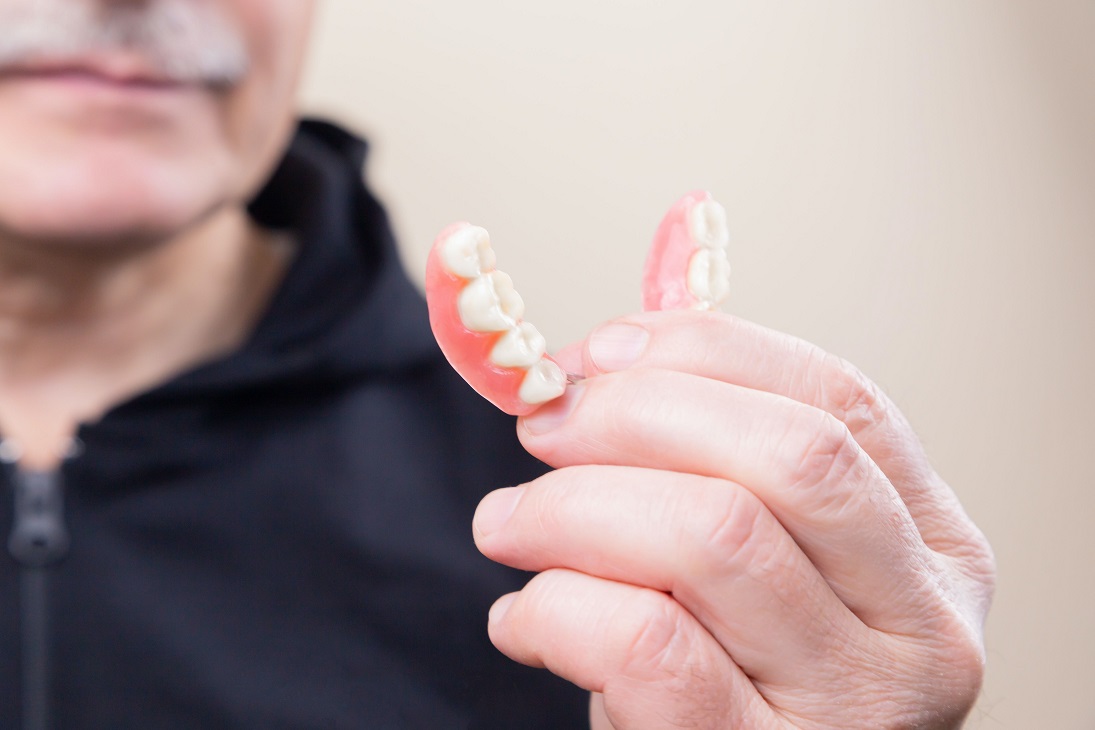
The CDCP may help with removable dentures, including partial dentures and complete dentures, when the service meets the plan’s rules. In some cases, related denture care such as repairs, relines, adjustments, or replacement services may also be covered, but the details depend on the benefit rules and timing limits.
The plan also has frequency limits. In plain language, that means the CDCP does not automatically pay for the same denture service every time it is requested. If you already have a denture, or if you need a replacement soon after a previous one, the plan may review whether that service fits its rules.
Covered does not mean automatic. The office still needs to check the benefit details for your situation.
What the CDCP does not cover
The CDCP does not cover bridges or implants. That includes implant surgery, implant-supported replacement teeth, and other implant-based options.
A bridge or implant may still be a good treatment choice for some mouths, but the plan does not pay for those services. If you want background on the treatment side of implants, our dental implants page explains the option itself. This article stays focused on CDCP coverage.
When preauthorization matters
Some denture services require preauthorization before treatment starts. Preauthorization means the provider sends a request to the plan for review before the work is done.
The provider usually submits that request. This step is especially important when the denture service is a repeat service, a replacement, a repair, or a situation that does not fit the most routine benefit pattern.
Preauthorization can be helpful, but it is not a guarantee. It means the plan is reviewing the request before treatment begins. Your dentist still needs to confirm that the treatment is appropriate for your mouth.
Why provider participation and direct billing matter
CDCP provider participation is voluntary. Dentists and dental offices choose whether to participate in the plan.
That matters because not every office will bill the CDCP directly. Before you book, ask whether the office participates and whether it can submit claims to the plan on your behalf.
If an office does not participate, or if it cannot submit claims for you, ask how payment is handled before treatment starts. Confirming this ahead of time can prevent surprises.
Why you may still have a bill
Even when a denture service is covered, you may still owe money. Common reasons include:
- co-payments based on your plan level
- services the CDCP does not cover
- charges above the CDCP reimbursement amount
That is why a written estimate matters. It helps you see the likely total before treatment starts, not just the part the plan may cover.
What to ask before you decide
If you are missing teeth and thinking about next steps, these questions are worth asking:
- Does my current coverage make me eligible for the CDCP?
- Do I need to renew my coverage this year?
- Does this office participate in the CDCP?
- Will this denture service need preauthorization?
- What is likely to be covered, and what may be my responsibility?
- Would a removable denture, bridge, or implant be the better fit for my mouth, gums, remaining teeth, and goals?
The last question is important. Coverage rules do not decide treatment by themselves. Your dentist also needs to look at the number and position of remaining teeth, gum health, bite, hygiene habits, bone support, and how you want the result to function day to day.
Simple eligibility context
For the CDCP, you need to be enrolled, renew as required, and meet the plan’s access-to-dental-coverage rules. That eligibility step comes before any benefit can be used.
If your situation has changed, or if you are not sure whether you still qualify, it is worth checking before treatment is planned.
A calm next step
If you are trying to decide between dentures, a bridge, or implants, Excel Dental in Hamilton can help you review the coverage question alongside the clinical one. If you want to read more about implant treatment itself, start with our dental implants page. If you would like to talk through your options and what the CDCP may leave unpaid, contact our Hamilton office to plan your next step.
Key sources
- Government of Canada: CDCP Coverage
- Government of Canada: CDCP Dental Benefits Guide
- Using the CDCP dental plan
This article is for general education only and does not replace personalized advice, diagnosis, or treatment from a licensed dentist.