
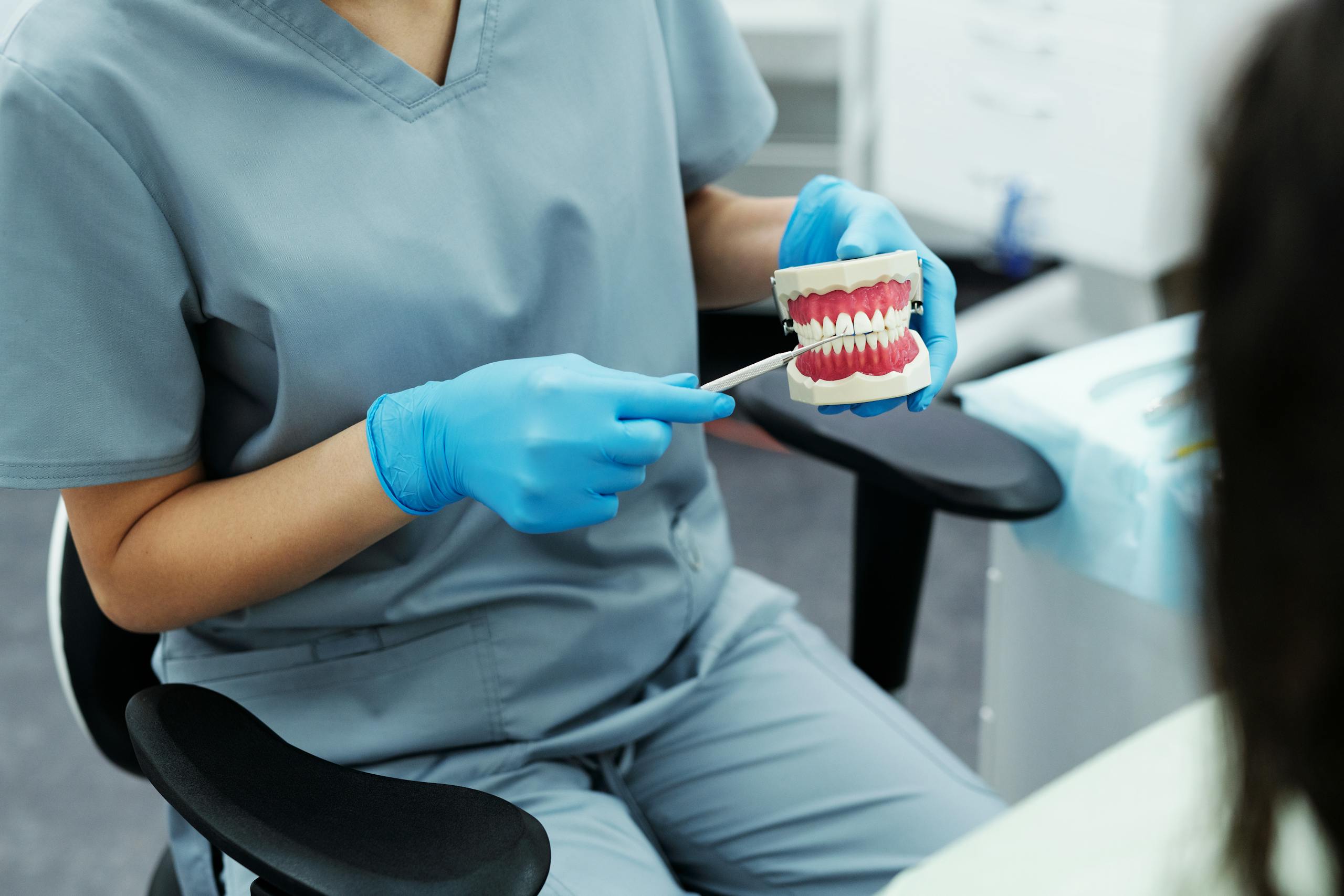
Worn or Damaged Teeth: When Conservative Bonding May Help Before a Crown
Do all worn or damaged teeth need crowns?
Often, no.
For some worn, chipped, or broken teeth, a full crown is still the most predictable choice. But in other cases, a dentist may be able to rebuild the tooth more conservatively with bonded composite or a partial-coverage bonded overlay. The goal is to protect function and comfort while preserving as much healthy tooth structure as possible.
The key point is that this is not a one-size-fits-all decision. The right option depends on why the tooth is worn or damaged, how much sound structure is left, how your bite works, and whether you are comfortable with the possibility of future repair and monitoring.
What patients may notice at home
Worn or damaged teeth do not always hurt at first. Many people notice gradual changes over time, such as:
- Flattened biting edges
- Shorter-looking teeth
- Small chips at the edges
- Sensitivity to cold, sweets, or brushing
- Little scooped-out areas, sometimes called cupping
- Cracks or rough spots
- Old fillings that seem loose, broken, or worn down
- A bite that feels different or uneven
These signs can have more than one cause. An exam matters because two teeth can look similar at home but need very different treatment plans.
Why diagnosis comes before the repair
Before choosing bonding, an overlay, or a crown, the dentist needs to understand what caused the damage. The Royal College of Dental Surgeons of Ontario emphasizes that diagnosis is the foundation of care, and that treatment options should flow from a careful history, exam, and consent discussion.
Common causes include:
- Grinding or clenching, which can flatten, crack, or overload teeth
- Acid wear from diet, reflux, or repeated vomiting, which can soften and dissolve tooth structure
- Abrasion, such as overly aggressive brushing or repeated contact with abrasive habits
- Trauma, including sports injuries or sudden biting accidents
- Failing restorations, where older fillings or crowns break down and leave the tooth weaker
The American Dental Association notes that dental erosion is only one type of tooth wear. Signs can include loss of enamel texture, flattening, and cupping. In real life, many patients have mixed factors rather than a single cause.
The SDCEP Oral Health Assessment and Review guidance also supports recording the type of tooth surface loss, identifying the cause, and monitoring progression over time with photos or models when helpful. That matters because a tooth that is still actively wearing down may need a different plan than one that has been stable for years.
What conservative bonding means
In this context, conservative bonding usually refers to additive, bonded treatment that tries to keep more natural tooth structure.
That may include:
- Direct composite buildups, where tooth-coloured filling material is bonded directly onto the tooth to rebuild worn or broken areas
- Bonded partial-coverage overlays, where a lab-made restoration covers part of the chewing surface or weakened cusps without wrapping the entire tooth like a full crown
These options can be appealing because they may involve less drilling than a full crown. They can also be adjusted, polished, added to, or repaired more easily in many cases.
For the right tooth, that is a meaningful advantage. Preserving healthy enamel and dentin often gives dentists more options later if the tooth ever needs additional treatment.
What current evidence suggests
Recent evidence supports a balanced middle ground.
A recent review and meta-analysis in the Journal of Esthetic and Restorative Dentistry looked at minimally invasive rehabilitation concepts for worn dentition. Overall, the review supports that additive direct and indirect bonded approaches can perform acceptably in selected cases, especially when treatment planning is careful and the causes of wear are addressed first.
A 2025 Journal of Dentistry systematic review on restorative options for moderate and severe tooth wear reached an important practical conclusion: more invasive indirect restorations often show lower failure rates, but direct conservative approaches remain useful because they preserve more tooth structure. The trade-off is that direct options tend to have more repairs and maintenance over time.
That does not mean bonding is better than crowns overall. It means conservative options can be reasonable when the case selection is good and the patient understands that maintenance is part of the plan.
There is also a newer randomized trial in BDJ Open on composite overlays and opposing enamel wear. Its finding is narrow but reassuring: in selected posterior cases, conservative composite overlay approaches showed comparable opposing enamel wear over two years. That is helpful, but it should not be treated as proof that one option is superior in overall durability or appropriate for every worn tooth.
In plain language, the evidence is encouraging for selected short- to medium-term use, but long-term certainty is still more limited and outcomes vary by material, tooth type, bite forces, and patient habits.
When a crown may still be the better choice
Sometimes a crown is the more predictable option because the tooth needs broader support and protection.
A crown may be recommended when there is:
- Major loss of tooth structure
- Weak or undermined cusps
- Deep cracks or a high fracture risk
- Heavy bite forces that are likely to overload a bonded build-up
- Repeated failure of more conservative repairs
- Limited enamel available for predictable bonding
- A need to cover and reinforce the tooth more completely
This is especially relevant for back teeth that carry high chewing loads, teeth with large existing restorations, or teeth that already have a history of cracking.
In those situations, preserving every last bit of tooth is not the only goal. Strength, coverage, and risk reduction may matter more.
How dentists decide if conservative treatment is realistic
Several details affect whether bonding or a bonded overlay makes sense:
- How active the wear is. If the cause is still ongoing, the new restoration may fail sooner.
- How much sound enamel and dentin remain. Better bonding conditions usually improve predictability.
- Where the tooth is in the mouth. Front and back teeth often face different forces and aesthetic demands.
- Your bite pattern. Bite analysis can show whether the tooth is being overloaded.
- Whether appearance is a major concern. Different materials and designs balance looks, strength, and repairability differently.
- Your willingness to return for maintenance. Conservative treatment often works best when patients understand that small repairs may be part of the long-term plan.
In Ontario, treatment planning should be individualized and documented clearly. That includes discussing options, limitations, risks, benefits, costs, and likely maintenance.
What maintenance looks like after treatment
No restoration is maintenance-free.
After bonding, overlays, or crowns, follow-up still matters. Depending on the cause of wear, maintenance may include:
- Regular exams and photos to monitor for progression
- Night guard discussions if grinding or clenching is a factor
- Review of acidic drinks, snacking habits, or reflux symptoms when erosion is suspected
- Checking bite contacts and making small adjustments if needed
- Repairing small chips before they become larger problems
- Monitoring older fillings and neighbouring teeth
For many patients, success is not just about the first procedure. It is about controlling the cause and staying on top of maintenance.
Questions to ask your dentist next
If you have worn or damaged teeth, these questions can help guide the conversation:
- What do you think is causing the wear or damage in my case?
- Is the wear active, or does it seem stable?
- Could this tooth be restored with bonding or an overlay instead of a full crown?
- How much healthy tooth structure would each option remove?
- What are the likely trade-offs in strength, appearance, cost, and future repairs?
- How would my bite or grinding habits affect the choice?
- What kind of maintenance should I expect over time?
The practical takeaway
Not every worn or damaged tooth needs a full crown.
In selected cases, conservative bonded composite buildups or partial-coverage overlays can be a sensible way to preserve healthy tooth structure and rebuild function. Recent reviews support that these options can perform acceptably in the short to medium term, but repairs and monitoring are common, and the best choice depends heavily on diagnosis and case selection.
A crown is still the right answer for some teeth, especially when broader coverage and structural support are the priority.
The most useful next step is a diagnosis-based conversation about the cause of wear, the condition of the tooth, your bite, your goals, and how much maintenance you are comfortable with over time.
Sources
- Journal of Esthetic and Restorative Dentistry review on worn dentition
- Journal of Dentistry systematic review on restorative options for tooth wear
- 2026 randomized trial on composite overlays and opposing enamel wear
- ADA Oral Health Topics on dental erosion
- SDCEP Oral Health Assessment and Review
- RCDSO Diagnosis and Treatment Planning
- RCDSO Standards and Guidance
- Cda Adc
- Journal of Dentistry systematic review on restorative options for tooth wear
- Systematic review of composite restorations for anterior tooth wear
- Pubmed
- Pubmed
- Pubmed
- Pubmed
- Ada
- Rcdso
- Rcdso
This article is for general education only and does not replace personalized advice, diagnosis, or treatment from a licensed dentist.