
Invisalign in Hamilton: What Families Should Know Before Choosing Clear Aligners
What Is Invisalign and How Does It Work?
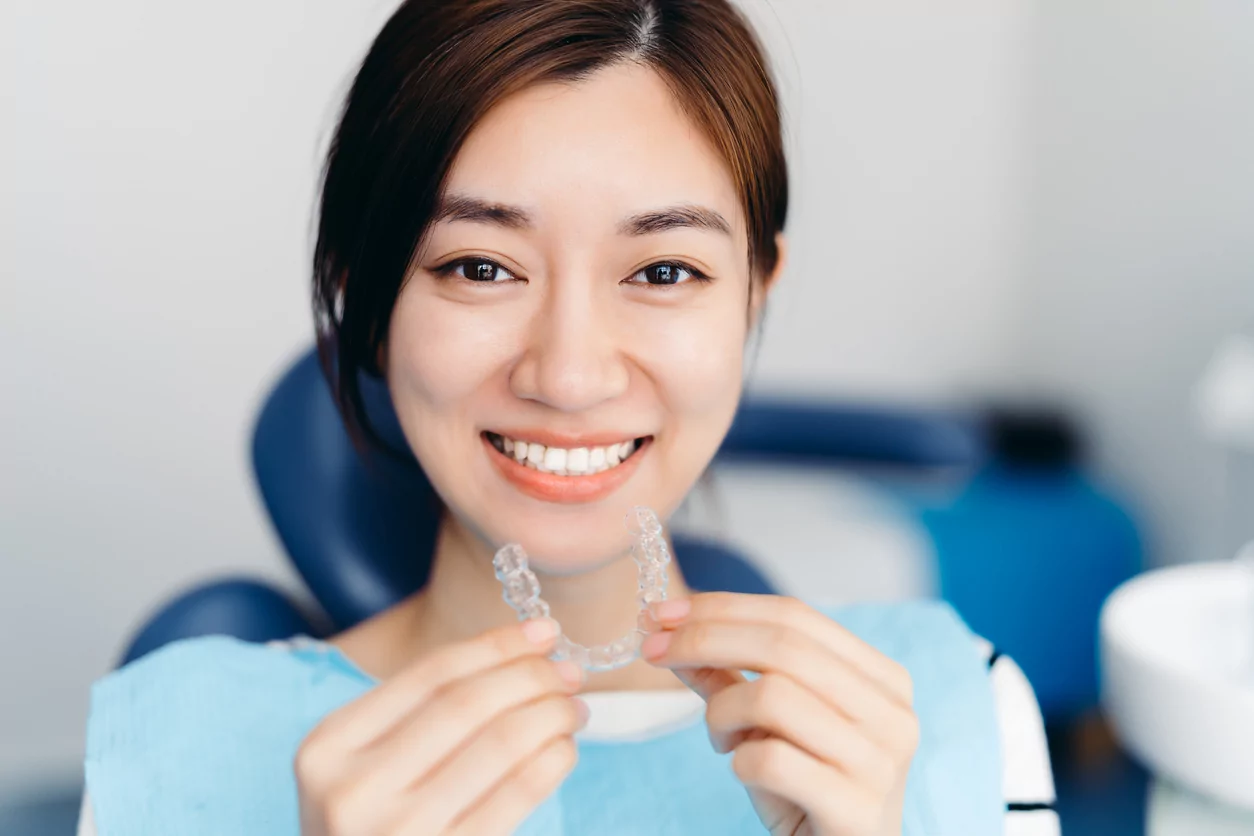
Invisalign is a clear aligner system used to straighten teeth and improve bite alignment. Instead of brackets and wires, it uses a series of custom-made, removable plastic trays. Each set of aligners gently moves teeth a small amount. You switch to a new set every one to two weeks as your teeth gradually shift into position.
The aligners are designed using digital scans and computer-guided treatment planning. Because they are removable, you can take them out for meals and brushing.
Is Invisalign Effective?
Clear aligners are effective for many mild to moderate orthodontic problems, including crowding, spacing, and some bite issues.
Evidence reviews, including research summarized in the Cochrane Library, show that clear aligners can produce similar outcomes to traditional braces for certain types of tooth movement. However, braces may still be more predictable for complex cases, such as significant bite corrections or large tooth rotations.
The American Association of Orthodontists notes that case selection and careful monitoring are important. In other words, the success of Invisalign depends on the specific problem being treated and how closely the patient follows instructions.
Who Is a Good Candidate?
Invisalign may be appropriate for:
- Teens and adults with mild to moderate crowding
- Spacing between teeth
- Relapse after previous orthodontic treatment
- Patients who prefer a more discreet option
It may not be ideal for:
- Severe bite discrepancies
- Complex jaw alignment issues
- Patients who cannot commit to wearing aligners 20 to 22 hours per day
Every patient in Hamilton who is considering Invisalign should have a full exam, digital imaging, and a discussion about goals. Sometimes traditional braces or a combined approach gives better long-term results.
Why Straight Teeth Matter for Oral Health
Orthodontic treatment is not just cosmetic. Proper alignment can make teeth easier to clean, which may help reduce the risk of cavities and gum disease. Public Health Ontario and the Government of Canada both recognize that oral health plays an important role in overall wellbeing.
That said, orthodontics does not prevent cavities on its own. Daily brushing, flossing, fluoride exposure, and regular dental visits are still essential.
Advantages of Invisalign
- Nearly invisible appearance
- Removable for eating and oral hygiene
- Fewer emergency visits for broken wires
- Smooth plastic edges that may feel more comfortable than brackets
Because the aligners are removable, many adults in professional settings find them easier to manage socially and at work.
Limitations and Responsibilities
Invisalign requires discipline. Aligners must be worn most of the day to work properly. If they are left out too often, treatment can stall or teeth may move unpredictably.
There can also be attachments placed on certain teeth. These small tooth-coloured bumps help guide movement. Some patients are surprised to learn that Invisalign is not completely attachment-free.
Speech changes are usually mild and temporary. Mild soreness can occur when switching trays, similar to traditional braces.
What About Teens?
Invisalign Teen includes features that help monitor wear time. For responsible teens, it can be an excellent option. For others, fixed braces may provide more predictable results because they do not rely on patient compliance.
Parents should consider maturity, sports involvement, oral hygiene habits, and overall responsibility before deciding.
How Long Does Treatment Take?
Most Invisalign cases take 12 to 24 months, depending on complexity. Minor alignment may take less time. After active treatment, retainers are essential to prevent teeth from shifting back. Long-term retention is part of responsible orthodontic care.
Cost and Coverage in Ontario
Costs vary depending on case complexity. Some private insurance plans include orthodontic coverage for children and sometimes adults. Public programs in Ontario, such as Healthy Smiles Ontario, focus on essential dental services and generally do not cover elective orthodontics.
It is helpful to review your insurance details and ask about payment options before starting treatment.
Questions to Ask Before Starting
- Is Invisalign appropriate for my specific bite and alignment issues?
- What are the alternatives and their pros and cons?
- How long will treatment realistically take?
- What happens if I do not wear my aligners enough?
- What is the retention plan after treatment?
A thoughtful treatment plan balances health, function, comfort, and aesthetics. Straight teeth should also be stable and easy to maintain long term.
A Whole-Person Approach to Orthodontic Decisions
As a dentist in Hamilton with training in comprehensive care, I look at orthodontic treatment as one part of overall oral health. Gum health, existing restorations, bite stability, jaw comfort, and long-term maintenance all matter.
Clear aligners can be an excellent option for many patients. The key is careful evaluation, realistic expectations, and consistent follow-through.
If you are considering Invisalign for yourself or your child, a detailed consultation can help you understand what is possible and what will best support lifelong oral health.