Dental implants a short drive from Stinson Hamilton for confident smiles
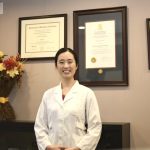
I am Dr. Cindy Li, and I enjoy helping Hamilton families feel confident about their dental health. At Excel Dental on East Avenue South, I regularly see patients from Stinson and nearby neighbourhoods who are ready to replace missing teeth and rediscover an easy, natural smile with dental implants.
Why I Recommend Dental Implants
Dental implants are one of my favourite treatments because they do more than simply fill a space. They can restore the way you chew, speak, and smile in a way that feels very close to natural teeth. When I see a patient look in the mirror after treatment and finally smile without holding back, it reminds me why I chose dentistry.
Unlike removable options, implants are anchored in the jawbone, so they stay in place when you talk and eat. Many of my patients tell me they forget which teeth are implants once everything has healed. That kind of comfort and confidence is what I aim for in every case.
Over time, missing teeth can affect your bite, your facial profile, and even your nutrition if you start avoiding certain foods. Implants help protect your jawbone and keep neighbouring teeth from drifting out of alignment. In my practice, I see them as both a restorative and a preventive solution.
What to Expect at Your Implant Consultation
Your first visit for implants is relaxed and focused on listening. I start by asking what bothers you most: is it appearance, chewing, discomfort with a denture, or a mix of all three? Understanding your priorities guides everything that follows.
Next, I perform a thorough exam, including digital X‑rays and, when needed, 3D imaging to assess bone levels and nerve positions. I explain what I see in straightforward language and show you the images so you can follow along. Many patients feel less anxious once they understand what is actually happening in their mouth.
We then review the treatment options that fit your situation. Implants are not the only solution, so I also discuss other choices and explain the pros and cons of each. I want you to feel that you are making an informed decision, not being pressured into anything.
Finally, we talk about timing, costs, and payment options in clear terms. My team and I are transparent about fees and help you understand what your insurance may or may not cover. You leave with a written plan and plenty of time to think things over.
How the Dental Implant Process Works
A dental implant is a small titanium post that acts like a new tooth root. During the placement appointment, I gently position this post into the jawbone in the area of the missing tooth. With modern techniques and local anesthesia, most patients are surprised by how manageable the appointment feels.
After placement, the bone needs time to bond with the implant. This healing phase usually takes a few months, although you can often wear a temporary tooth during this time for appearance. I schedule follow‑up visits to make sure everything is healing as expected and that you are comfortable.
Once the implant has integrated with the bone, I attach a connector piece called an abutment and then a custom crown that matches your other teeth in colour and shape. I work closely with trusted local dental labs to achieve a natural look. My goal is for friends and coworkers not to notice which tooth was restored.
For patients missing several or all teeth, implants can also be used to support bridges or full-arch restorations. These solutions can greatly improve stability compared with removable options, which often slip or rub. Together, we decide how many implants are needed to give you the function and appearance you want.
Are You a Good Candidate for Dental Implants?
Most healthy adults with missing teeth are potential candidates for implants. During your exam, I check your gums, bone level, bite, and overall health. Conditions like diabetes or osteoporosis do not automatically disqualify you, but they may require extra planning and coordination with your physician.
If you have been missing teeth for many years, the jawbone in that area may have thinned or shrunk. In those cases, I sometimes recommend a bone graft to rebuild the area so it can firmly support an implant. This sounds intimidating to many patients at first, but the procedure is typically very manageable and significantly improves long‑term stability.
Smoking, uncontrolled gum disease, and poor oral hygiene can all affect how well an implant heals and how long it lasts. I talk openly about these risk factors and help you decide whether implants are right for you now or if we should first focus on improving gum health and daily home care.
The best way to know if implants are suitable for you is a personalized assessment. Online information can be helpful, but it can’t replace an in‑person look at your mouth, your medical history, and your goals.
Benefits of Choosing Implants Close to Home
One advantage my Stinson neighbours appreciate is how close Excel Dental is to home and work. Implant treatment involves several visits over a few months, and being able to walk, bike, or drive a short distance makes the process far more convenient.
Being nearby also makes it easier for me to see you quickly if you have a question or small concern during healing. If something feels “off,” I can usually bring you in promptly to check it rather than asking you to travel far for a short visit. This kind of access can make the entire experience feel less stressful.
I also know the Hamilton community well, including local specialists, physicians, and pharmacists. When collaboration is needed, such as with your family doctor or a medical specialist, communication is smoother and more personal. That coordination supports safer and more predictable care.
Many of my patients tell me they feel more at ease knowing their implant dentist is part of their own community. You may see me in the neighbourhood, at local events, or simply walking to the office, and that sense of familiarity can make it easier to ask questions and share your concerns.
Comfort, Sedation, and Recovery
Feeling nervous about dental surgery is very common, and I take that anxiety seriously. Before any implant procedure, I explain each step in calm, clear terms so there are no surprises. Knowing what to expect often reduces fear significantly.
For most patients, local anesthesia is enough to keep them comfortable during implant placement. For those who feel especially anxious, I can offer oral sedation options to help you relax. We review your medical history carefully first to choose the safest approach.
After the procedure, some tenderness, minor swelling, or bruising is normal and usually managed well with ice packs and over‑the‑counter pain relief. I give you detailed written and verbal instructions so you know how to care for the area, what to eat, and when to call me.
Recovery is usually quicker than patients expect. Many return to regular activities within a day or two, avoiding heavy exercise for a short time. I schedule follow‑up visits to monitor healing and answer new questions as they come up. My goal is for you to feel supported every step of the way.
Caring for Your Implants Long Term
Dental implants can last many years when they are cared for properly. I remind my patients that, although implants do not decay, the surrounding gums and bone still need the same attention as natural teeth. Healthy tissue is the foundation that keeps your implant strong.
Daily home care includes brushing twice a day and cleaning carefully around the implant with floss or small interdental brushes. I show you specific techniques and tools that work best for your situation, especially if you have multiple implants or an implant‑supported bridge.
Regular professional cleanings and checkups are especially important for implant patients. At these visits, I check your bite, examine the gums around the implant, and take X‑rays when needed to monitor the bone. Early signs of inflammation or overload can often be corrected before they cause bigger problems.
Lifestyle choices matter as well. Smoking, uncontrolled diabetes, and chronic grinding can shorten the lifespan of implants. If you clench or grind your teeth, I may recommend a custom night guard to protect both your implants and your natural teeth while you sleep.
Honest Talk About Costs and Value
Implants are a meaningful investment, and I believe in being straightforward about costs. At your consultation, I provide a clear breakdown that includes all stages of treatment so you understand the full picture, not just the initial surgery fee.
Dental insurance plans vary widely in how they handle implant coverage. My team helps you submit pre‑determinations when appropriate and explains what your plan is likely to cover. I know this part can feel confusing, so we take the time to go through it with you line by line.
When comparing options, it helps to look at long‑term value, not only the initial price. Removable replacements may seem more affordable at first but can require more adjustments, repairs, and replacements over time. Implants are designed to be a stable, long‑term solution when well maintained.
If cost is a concern, tell me openly. I would much rather know your budget and work within it than suggest a plan that causes financial stress. Sometimes we can phase treatment or consider a mix of approaches to balance health needs, comfort, and affordability.
FAQ: Dental Implants at Excel Dental
How long does the entire dental implant process usually take?
In my practice, a straightforward single implant typically takes about 3 to 6 months from placement to final crown. The healing phase is what takes the most time. If you need bone grafting first, the overall timeline can extend to 6 to 9 months, but most of that time is spent simply allowing your body to heal.
Will I be without a tooth during the healing period?
I understand that appearance is important, especially for front teeth. In many cases I can provide a temporary solution, such as a removable temporary tooth or a small provisional restoration, so you never have an obvious gap while the implant integrates with the bone.
Does getting a dental implant hurt?
During the procedure, you are thoroughly numbed, so you feel pressure and vibration but not sharp pain. After the anesthetic wears off, mild to moderate soreness is normal for a few days, but most patients describe it as easier than they expected. I give you a personalized pain management plan to keep you comfortable.
Are dental implants safe for older adults?
Age alone is not a barrier. I have placed implants successfully for many seniors from the Hamilton area. What matters more is your general health, bone quality, and whether any medications or medical conditions could affect healing. I always review your medical history and, when appropriate, communicate with your physician.
What if I have been missing a tooth for many years?
This is very common. When a tooth has been missing for a long time, the bone in that area often shrinks. In those situations, I may suggest a bone graft to rebuild the site. It adds some time to treatment but greatly improves the chances of a strong, long‑lasting result.
How do implants compare to removable tooth replacements?
Implants are fixed in place, so they do not move or click when you talk or eat. That stability often gives people more confidence, especially in social or professional settings. They also help preserve bone, which removable options cannot do. On the other hand, removable replacements can be less costly initially, so we discuss both options carefully.
Can implants fail, and how often does that happen?
While implant treatment is very predictable overall, no procedure is 100 percent risk‑free. A small percentage of implants do not integrate properly with the bone or can develop inflammation later. In my practice, I minimize risks through careful planning, precise placement, and close follow‑up. If a problem occurs, we address it promptly and discuss next steps together.
How do I clean around a dental implant?
You brush around an implant much like a natural tooth, using a soft toothbrush and gentle circular motions. I usually recommend flossing or using specialized brushes to clean the sides where plaque can collect. At your visits, I demonstrate the best technique for your specific restoration, whether it is a single crown or a bridge.
Will my implant tooth look natural?
My goal is for your implant crown to blend in so well that people cannot tell which tooth was restored. I carefully match the colour, shape, and size to your neighbouring teeth and work with skilled dental technicians. If we are improving the appearance of several teeth at once, we plan everything together for a balanced, harmonious smile.
Is there a risk with my medical conditions or medications?
Certain conditions and medications, such as blood thinners or drugs affecting bone metabolism, require extra planning. I always review your health history thoroughly and, if needed, coordinate with your doctor. In many cases, we can still proceed safely with adjustments to timing or medication after medical clearance.
What if I feel too nervous to go through with it?
Dental anxiety is very real, and I respect that. We can take things step by step, starting with a simple conversation and exam, no treatment. Some patients find that seeing the office, meeting the team, and understanding the process gradually reduces their fear. Sedation options are also available for those who need extra support.
More Information
If you would like to read more from trusted sources, the Ontario Dental Association (oda.ca) offers patient‑friendly information about different dental treatments and how to choose a dentist. The Canadian Dental Association (cda-adc.ca) provides educational articles about implants, gum health, and prevention. For broader health and regulatory information related to oral care in Ontario, ontario.ca includes public health resources and guidance about accessing healthcare services. These sites can help you feel more informed before and after your visit.
If you are curious whether dental implants are right for you, I invite you to call my office at 905-529-2164 to schedule a personal consultation and talk through your options in a relaxed, friendly setting.