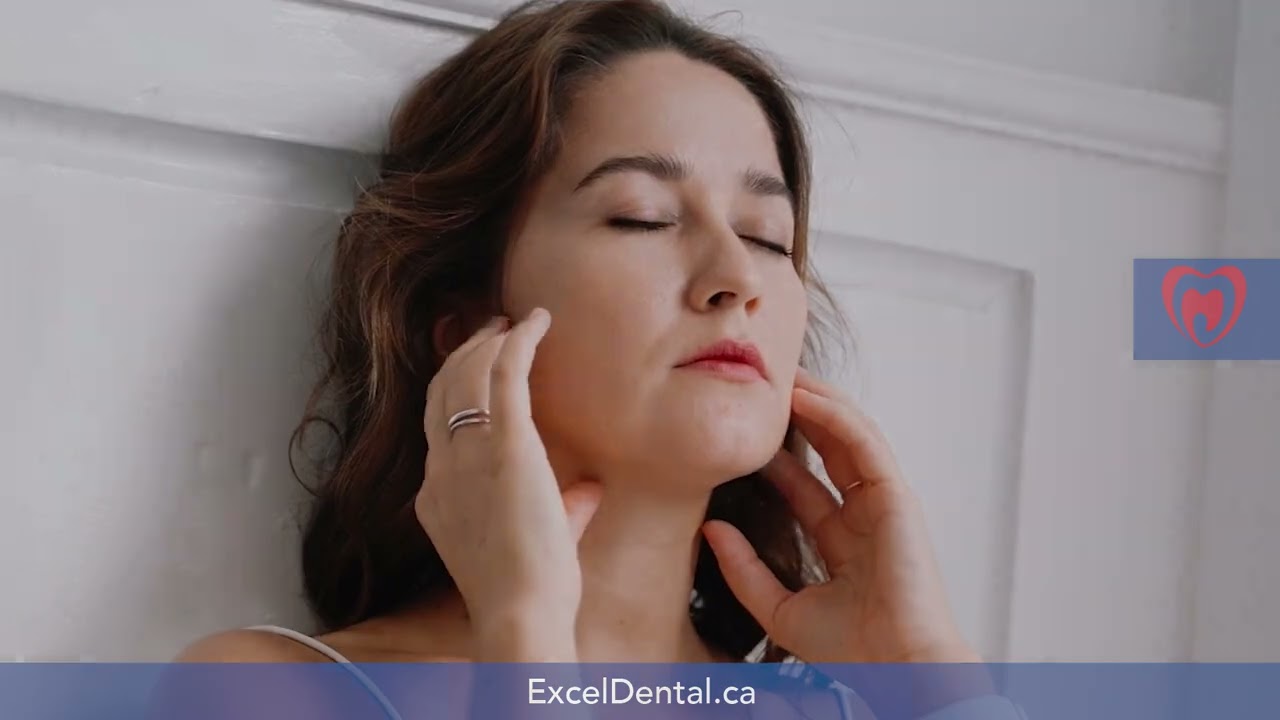
Mouth Guards: Protecting Teeth, Jaws, and Smiles at Every Age
Why Mouth Guards Matter
Teeth are strong, but they are not indestructible. Sports injuries, nighttime grinding, and jaw clenching can lead to chipped or broken teeth, jaw pain, and costly dental treatment.
According to the CDC Oral Health resources, mouth guards are an effective way to help prevent dental injuries during sports and recreational activities. Preventing injury is always simpler, less stressful, and less expensive than repairing damage.
For children, teens, and adults in Hamilton who play sports or grind their teeth at night, a properly fitted mouth guard can make a meaningful difference.
Who Should Wear a Mouth Guard?
Mouth guards are recommended for:
- Children and teens playing contact sports such as hockey, football, lacrosse, and basketball
- Adults participating in recreational leagues or fitness activities
- Anyone with braces who plays sports
- People who grind or clench their teeth at night
- Patients with jaw pain related to muscle tension or bruxism
The Canadian Dental Association supports the use of properly fitted mouth guards for athletes to reduce the risk of dental trauma. Even non-contact sports can result in accidental falls or collisions.
Types of Mouth Guards
Not all mouth guards are the same. The right option depends on the situation and the patient’s individual needs.
Stock Mouth Guards
These are pre-formed and ready to wear. They are inexpensive but often bulky and may not fit sely. Because they are not custom-fitted, they can interfere with breathing and speaking.
Boil and Bite Mouth Guards
Available at pharmacies and sporting goods stores, these soften in hot water and are shaped at home. They offer a better fit than stock versions but still may not provide ideal protection or comfort.
Custom-Fitted Mouth Guards
These are made by a dentist using an impression or digital scan of your teeth. Custom guards provide:
- Better fit and comfort
- Improved speech and breathing
- More consistent protection
- Greater durability
For athletes with braces or complex dental work, custom designs are especially helpful.
Night Guards for Grinding and Clenching
Sports guards are different from night guards. Night guards are designed to manage bruxism, which is the habit of grinding or clenching teeth during sleep.
Bruxism can cause:
- Tooth wear and fractures
- Sensitivity
- Jaw discomfort
- Headaches
- Strain on dental restorations
Research summarized by organizations such as the American Dental Association shows that occlusal guards can help reduce tooth wear from grinding. However, they do not bruxism. Management may also involve stress reduction, sleep evaluation, or bite assessment, depending on the cause.
If jaw pain or headaches are frequent, a clinical exam is important to rule out other contributing factors.
How Mouth Guards Protect More Than Teeth
The primary goal of a mouth guard is to absorb and distribute impact forces. This helps reduce:
- Broken or knocked-out teeth
- Soft tissue injuries to lips and cheeks
- Jaw fractures
- Damage to dental restorations
There is ongoing research about whether mouth guards reduce concussion risk. Evidence suggests they help protect teeth and oral structures, but their role in preventing concussion remains limited and not definitive. It is important not to overstate their benefits beyond dental protection.
When Should a Mouth Guard Be Replaced?
Mouth guards should be replaced if they:
- Become worn or cracked
- No longer fit properly
- Cause irritation
- Are outgrown by a child or teen
Children and teens may need more frequent replacements due to growth and orthodontic changes.
How to Care for a Mouth Guard
Good hygiene helps prevent bacteria buildup.
- Rinse after each use
- Clean gently with a toothbrush and mild soap
- Allow it to air dry
- Store it in a ventilated container
- Keep it away from heat
Bring your mouth guard to regular dental visits so it can be checked for fit and wear.
Questions to Ask Your Dentist
- Which type of mouth guard is best for my sport or condition?
- Do I need a separate guard for nighttime grinding?
- How often should mine be replaced?
- Will this protect my existing crowns or fillings?
- Is my jaw pain related to clenching or something else?
Every patient is different. The right choice depends on age, dental history, activity level, and overall oral health.
A Prevention-First Approach in Hamilton
At Excel Dental in Hamilton, prevention is always the priority. A custom mouth guard is a simple step that can prevent emergencies, reduce discomfort, and protect long-term dental health.
Whether your child is starting hockey season or you are waking up with jaw soreness, a personalized assessment can help determine the right solution.
Sources
- Centers for Disease Control and Prevention. Oral Health and Sports Injury Prevention.
- Canadian Dental Association Position Statements.
- American Dental Association Clinical Guidelines and Evidence-Based Dentistry resources.
Dr. Chenxin (Cindy) Li, DDS is a Hamilton, Ontario dentist focused on comprehensive preventive care and evidence-informed treatment planning. She is double-board certified in Canada and the USA and authorized by the RCDSO for minimal sedation.