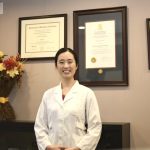
What My Patients Should Know About Preserving Natural Teeth
As a dentist, I often emphasize the importance of preserving natural teeth. Our teeth are not just tools for eating; they play a crucial role in our overall health and well-being. Here are some key points to consider:
- Natural teeth help maintain the structure of your face and jaw.
- They contribute to proper speech and pronunciation.
- Preserving your teeth can save you from costly dental procedures in the future.
- Healthy teeth can enhance your confidence and quality of life.
Understanding the Importance of Natural Teeth Preservation
Preserving natural teeth is vital for both functional and aesthetic reasons. When we lose a tooth, it can lead to a cascade of issues, including shifting of adjacent teeth, bone loss, and changes in bite alignment. These changes can complicate future dental treatments and may lead to further tooth loss. Additionally, maintaining your natural teeth helps you avoid the discomfort and inconvenience of dentures or implants.
Moreover, natural teeth are designed to work together harmoniously. Each tooth has a specific role in chewing and speaking, and losing even one can disrupt this balance. By prioritizing the preservation of your natural teeth, you are investing in your long-term oral health and overall quality of life.
Essential Tips for Maintaining Your Natural Smile
To keep your natural teeth healthy, it’s essential to adopt a proactive approach to oral hygiene. Regular brushing and flossing are fundamental practices that should be part of your daily routine. I recommend brushing at least twice a day with fluoride toothpaste and flossing daily to remove plaque and food particles that can lead to cavities and gum disease.
In addition to good hygiene practices, regular dental check-ups are crucial. These visits allow me to monitor your oral health, catch any potential issues early, and provide professional cleanings that remove tartar buildup. Remember, prevention is always better than treatment, and maintaining your natural teeth requires a commitment to both home care and professional support.
Common Myths About Tooth Loss and Preservation Debunked
One common myth I encounter is that tooth loss is an inevitable part of aging. While it’s true that many older adults experience tooth loss, it is not a natural consequence of aging itself. With proper care, regular dental visits, and a healthy lifestyle, it is entirely possible to maintain a full set of natural teeth well into your later years.
Another misconception is that once a tooth is damaged, it must be extracted. Many people believe that if a tooth has a cavity or is cracked, it cannot be saved. However, modern dentistry offers various treatments, such as fillings, crowns, and root canals, that can restore and preserve damaged teeth. It’s essential to consult with a dentist to explore all available options before considering extraction.
What can I do to prevent tooth decay?
To prevent tooth decay, maintain a consistent oral hygiene routine that includes brushing twice a day with fluoride toothpaste and flossing daily. Additionally, limit sugary snacks and beverages, and consider regular dental check-ups for professional cleanings and early detection of any issues.
How often should I visit the dentist?
I recommend visiting the dentist at least twice a year for routine check-ups and cleanings. However, if you have specific dental concerns or conditions, you may need to come in more frequently.
Is it too late to save my teeth if they are already damaged?
Not necessarily. Many damaged teeth can be treated with various dental procedures, such as fillings, crowns, or root canals. It’s important to consult with your dentist to evaluate your specific situation and explore your options.
What are the signs that I need to see a dentist?
You should see a dentist if you experience persistent tooth pain, sensitivity, swelling in your gums, or any changes in your bite. Regular check-ups are also essential for maintaining oral health.
Can diet affect my dental health?
Yes, diet plays a significant role in dental health. A balanced diet rich in vitamins and minerals can strengthen your teeth and gums, while excessive sugar and acidic foods can contribute to decay and erosion.
Are there any dental products I should avoid?
Be cautious with products that contain high levels of sugar or acids, as they can harm your teeth. Always choose dental products that are approved by dental associations and consult your dentist for recommendations.
What should I do if I have a dental emergency?
In the case of a dental emergency, such as a knocked-out tooth or severe pain, contact your dentist immediately. If it’s after hours, seek emergency dental care if necessary.
How can I improve my gum health?
Improving gum health involves maintaining good oral hygiene, including regular brushing and flossing, and visiting your dentist for cleanings. Eating a balanced diet and avoiding tobacco products also contribute to healthier gums.
For more information on preserving natural teeth, I recommend visiting the following resources:
- Ontario Dental Association: https://www.oda.ca
- Government of Ontario – Oral Health: https://weence.com/
- Canadian Dental Association: https://weence.com/
If you have any questions or would like to schedule an appointment, please feel free to call us at 905-529-2164. Your oral health is important to me, and I’m here to help you maintain your natural smile!