Oral Surgery Choices Near North End Hamilton for Comfortable Care
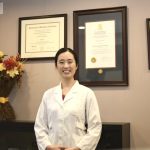
I am Dr. Cindy Li, and I enjoy helping Hamilton families feel confident about their dental health. At Excel Dental on East Avenue South, I offer a range of oral surgery services designed to be as comfortable, clear, and stress-free as possible for people who live and work near the North End and downtown.
What Oral Surgery Can Help You With
Oral surgery simply means using minor surgical procedures to protect or restore your oral health. In my practice, I use it to treat problems such as severely damaged teeth, impacted wisdom teeth, infections, and jaw or bite issues that affect your comfort and chewing.
Sometimes patients worry that “surgery” means something major or frightening. In reality, many procedures are quick, carefully planned, and done with gentle techniques that support good healing. My goal is to remove pain and infection, protect neighbouring teeth, and help you keep a healthy, confident smile.
When we talk about oral surgery, I always start with an exam and detailed images so you understand exactly what is happening and what your choices are. I find that once people see the problem on an X‑ray and hear a clear explanation, anxiety usually drops significantly.
Common Procedures I Offer Near North End Hamilton
One of the most common procedures I perform is tooth extraction, often for teeth that are broken, badly decayed, or infected beyond repair. Careful numbing, conservative techniques, and good aftercare instructions help most patients feel far more comfortable than they expected.
Another frequent service is wisdom tooth removal. Impacted or poorly positioned wisdom teeth can cause pain, crowding, cysts, or repeated infections. I assess each case individually, because not every wisdom tooth needs to come out. When removal is the best choice, I plan the procedure to minimize discomfort, swelling, and time off work or school.
I also perform surgical extractions for teeth that are not fully erupted or are stuck in the bone. These are a bit more complex than routine extractions, but careful planning and imaging allow me to remove the tooth while protecting the surrounding bone and tissue. This sets you up for better long-term options, including tooth replacement when needed.
Gentle Wisdom Tooth Removal for Teens and Adults
Wisdom teeth usually appear in the late teens or early twenties. In Hamilton, I often see high school and college students who come in with jaw pain, swelling, or repeated gum infections behind their molars. When there is not enough room for these teeth, they can damage neighbouring teeth or create pockets that trap bacteria.
My first step is always a full exam and panoramic X‑ray so we can see where the wisdom teeth are and how they relate to nerves and sinuses. I explain what I see in simple language so you and your family can make an informed choice. If the teeth are positioned safely and not causing trouble, we may simply monitor them regularly.
If removal is recommended, I review your sedation and freezing options so you can choose the level of comfort that suits you. Most patients are surprised at how quickly the procedure is over. Careful instructions, an ice pack schedule, and a follow-up check help you recover smoothly and get back to your routine.
Tooth Extractions and Preserving Your Smile
Sometimes a tooth can no longer be saved with a filling, crown, or root canal. When this happens, removing the tooth can actually be the healthiest choice for your mouth and your overall well-being. My focus is to make the extraction gentle and to plan how we will protect your smile afterwards.
Before removing a tooth, I look at the surrounding teeth, your bite, and your future options. In many cases, I recommend planning for a dental implant, bridge, or other replacement before the extraction takes place. This allows us to preserve as much bone and gum tissue as possible, which leads to better final results.
During the procedure, I use small, precise movements and give extra numbing where needed so you stay comfortable. Afterward, I provide clear instructions about pain control, diet, and oral hygiene. My patients know they can call me if anything feels unusual, which reassures many people during the first couple of days of healing.
Sedation and Comfort Options for Anxious Patients
Dental anxiety is incredibly common, and I see it in people of all ages in Hamilton. I never dismiss those feelings. Instead, I take time to listen to your concerns, explain exactly what to expect, and move at a pace that works for you. Feeling heard is the first step toward a calmer experience.
For patients who are nervous about oral surgery, I offer different comfort options. In addition to local anesthetic to numb the area, I may recommend oral sedation for suitable patients, which helps you relax while remaining responsive. I also use slower, more deliberate techniques and frequent breaks if you need them.
Many anxious patients tell me that clear communication helps the most. I can talk you through each step, or keep conversation light and distracting if you prefer. We agree on a “pause” signal so you always feel in control. Building this trust is important to me, especially for those who have had difficult experiences in the past.
Healing, Aftercare, and Returning to Your Routine
Good healing begins before surgery. I review your medical history, medications, and any conditions like diabetes or clotting disorders so we can plan safely. I also explain what to have ready at home, such as soft foods, ice packs, and any prescribed medications.
After your procedure, I give you written instructions that are easy to follow. These cover how to manage bleeding, what to eat, how to keep the area clean, and what activities to avoid. Following these steps reduces the risk of complications such as dry socket or infection and helps you feel better faster.
Most patients can return to work or school within a day or two after straightforward extractions, and within a few days after more complex surgery, depending on the job and the procedure. I schedule follow-up visits as needed so we can be sure everything is healing as expected and answer any questions that come up at home.
Choosing an Oral Surgeon Close to Home
Having surgery close to home makes life easier, especially when you are arranging rides, childcare, or time off. Excel Dental at 49 East Avenue South is a short drive from the North End, central Hamilton, and neighbourhoods like Beasley and Corktown, which many of my patients appreciate on the day of their procedure.
When choosing where to have oral surgery, I encourage you to look at training, experience, communication style, and how the office handles emergencies and follow-ups. In my practice, I combine modern imaging and techniques with a personal, relationship-focused approach, because you are not just “a case,” you are a neighbour.
I also believe strongly in coordination with your regular dentist or other health providers. Sharing information and treatment plans helps keep your care consistent and safe. If you do not have a regular dentist, my team can help you establish ongoing preventive care after your surgery so problems are less likely to return.
Frequently Asked Questions About Oral Surgery Near North End Hamilton
Do I really need my wisdom teeth removed, or can I wait?
In many cases you can wait and simply monitor them, especially if they are fully erupted, easy to clean, and not causing symptoms. I recommend removal when X‑rays show impaction, damage to neighbouring teeth, cysts, or recurrent infections. During your exam, I will review your images with you and explain the risks of removing them now versus waiting.
How painful is an extraction or wisdom tooth surgery?
You should not feel sharp pain during the procedure because the area is thoroughly numbed. You may feel pressure or movement, but it should not be uncomfortable. After the freezing wears off, it is normal to have soreness or swelling for a few days. I provide a tailored pain-control plan that may include over-the-counter or prescription medication, and most patients cope very well.
How long will it take me to recover?
For a simple extraction, many people feel quite normal within 24 to 48 hours, with only mild tenderness. For impacted wisdom teeth and more complex surgeries, expect several days of swelling and stiffness, with steady improvement over the first week. Complete healing under the gum can take several weeks, but you can usually return to normal activities much sooner.
What can I eat after oral surgery?
I recommend soft, cool or lukewarm foods for the first couple of days: yogurt, smoothies (with no straws), scrambled eggs, mashed potatoes, pasta, and soups that have cooled down. Avoid hard, crunchy, spicy, or very hot foods that may irritate the area or disturb the blood clot. We gradually add more texture as your comfort improves.
Will my insurance cover oral surgery?
Coverage depends on your specific dental plan and whether any part of the procedure is billed through medical benefits. My team can help you submit estimates so you understand your out-of-pocket costs before treatment. I always encourage patients to call their insurer with the procedure codes we provide so there are no financial surprises.
Is sedation safe for me?
For most healthy patients, minimal or moderate sedation is very safe when it is appropriately planned and monitored. I take a detailed medical history, review medications, and may consult with your physician if you have conditions such as heart disease, severe asthma, or sleep apnea. We choose the lightest effective option to keep you comfortable while maintaining your safety.
What are the risks of oral surgery?
Any surgical procedure carries some risk, such as infection, bleeding, dry socket, or delayed healing. With wisdom teeth, there can also be a small risk to nearby nerves or sinuses, depending on the tooth’s position. I always explain your specific risk factors, and we use careful techniques, antibiotics when indicated, and clear aftercare instructions to keep your risk as low as possible.
Can I drive myself home after my procedure?
If you only receive local anesthetic (freezing) without sedation, you can usually drive yourself home, provided you feel comfortable. If you take oral sedation or stronger medications, you must have a responsible adult drive you home and stay with you for a period of time. We will review this with you before your appointment so you can plan ahead.
How do I know if something is wrong after surgery?
Call my office if you notice increasing pain after the third day, a foul taste or odour, fever, pus, or swelling that suddenly worsens. These can be signs of infection or dry socket. I would much rather you call for something minor than stay silent and worry at home. Prompt attention typically allows us to solve problems quickly.
What if I am terrified of dental work?
You are not alone. Many of my patients have had difficult experiences in the past. I invite you to come in just for a conversation and exam first, with no treatment that day. We can talk about your fears, discuss sedation options, and create a step-by-step plan that feels manageable. My goal is to help you feel safe, respected, and in control.
More Information
If you would like to learn more about dental surgery and oral health, I recommend visiting the Ontario Dental Association at oda.ca for patient-friendly articles and treatment explanations, the Canadian Dental Association at cda-adc.ca for national guidelines and educational resources, and Ontario’s health information portal at ontario.ca for broader information about accessing health services in our province. These trusted Canadian sources can help you better understand your options and prepare questions for our visit.
If you think you may need oral surgery or have questions about a troublesome tooth, I invite you to call my office at 905-529-2164 so we can talk about the most comfortable, appropriate care for you.