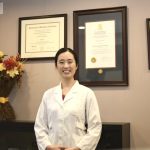
Gentle family dental care near North End Hamilton for healthy smiles
I am Dr. Cindy Li from Excel Dental at 49 East Avenue South in Hamilton, and I enjoy helping children, teens, adults, and seniors around the North End feel relaxed and confident about every visit to the dentist.
Gentle family dental care close to North End Hamilton
Many of the families I see live, work, or go to school in and around Hamilton’s North End, and they want dental care that is thorough yet gentle. I focus on building trust, explaining each step clearly, and moving at a pace that feels comfortable for every member of your family. My goal is that you leave each visit feeling heard, understood, and confident about your oral health.
I know it can be hard to fit appointments into busy family schedules. That is why my team and I work to keep visits efficient, minimize wait times, and coordinate treatment so parents and children can often be seen on the same day. When care is easy to access, preventive visits feel less like a burden and more like a simple part of staying healthy.
What “gentle” means in my family practice
When I say “gentle,” I am talking about more than just a light touch with the instruments. It begins with listening. I always ask about your past dental experiences, any worries, and what matters most to you. If something has bothered you in another office, I want to know so I can do better for you and your family.
I use modern techniques and materials that help reduce discomfort, from topical numbing gels before anesthesia to minimally invasive approaches whenever possible. For anxious patients, I explain what you might feel and for how long, and I pause when you raise a hand or ask me to stop. Small comforts, like letting a child hold a favorite toy or giving an adult a short break, make a big difference.
My focus is conservative dentistry. That means prioritizing prevention and early treatment so we can avoid more extensive procedures later on. I never rush into work that is not needed, and I always explain your options so you can choose what feels right for you.
Caring for children’s smiles
Working with children is one of the most rewarding parts of my day. I take extra time with kids who are shy, curious, or nervous, and I aim to make their first visits fun and non-threatening. Sometimes the first appointment is just a “ride in the chair,” a look around the mouth, and a simple cleaning if the child is ready.
I use simple, encouraging language to explain what I am doing, and I often show children the mirror, the toothbrush, or the “tooth counter” before we start. This helps them feel in control and less afraid. Parents are always welcome to stay in the room for reassurance, especially during early visits.
Prevention is especially important for young patients. I focus on teaching brushing and flossing habits, checking for early signs of decay, and discussing topics like sealants and fluoride when they are appropriate. I also talk with parents about snacks, drinks, sports mouthguards, and how to handle a knocked-out or injured tooth.
Gentle care for adults and seniors
Adults and seniors often come in with a mix of needs: maintenance cleanings, restorations, cosmetic improvements, or help managing complex dental histories. I always start by asking what you would most like to improve about your smile and how your oral health fits into your overall health.
For many adults, sensitivity and anxiety are real concerns. I use local anesthetics carefully, take my time with cleanings around tender areas, and recommend at-home products that can reduce sensitivity between visits. If you have had a difficult experience in the dental chair before, please tell me. I adapt my pace and communication style to support you.
For seniors, I pay special attention to changes in gums, bone levels, and existing restorations, as well as the fit and comfort of dentures or partials. Medications, dry mouth, and general health conditions can all affect your teeth and gums. By reviewing your medical history and speaking with you about any changes, I can tailor a plan that supports both comfort and function.
Preventive care to avoid future problems
I believe that prevention is the foundation of a healthy smile. Regular checkups and cleanings allow me to find issues when they are small and manageable. This includes early cavities, gum irritation, cracked fillings, or signs of clenching and grinding that could damage teeth over time.
During a typical preventive visit, I carefully examine your teeth, gums, and bite, and I use digital X-rays only when needed for a clear diagnosis. The cleaning itself removes plaque and tartar in areas brushing and flossing cannot reach. I like to walk patients through what I see in their mouths so you understand how your daily home care is working.
Education is a big part of prevention. I often adjust brushing and flossing techniques, suggest specific toothpastes or rinses, and talk through realistic changes to diet or habits. Even one or two small adjustments can significantly reduce the risk of cavities and gum disease over the years.
Restorative care with a light touch
When a tooth needs treatment, my aim is to restore strength and function while preserving as much natural structure as possible. Whether I am placing a filling or planning more involved work, I focus on comfort every step of the way. I always explain what I see, what I recommend, and what the alternatives are.
For many patients, numbing is the part they worry about most. I use topical gel to pre-numb the area and inject slowly so discomfort is minimized. I regularly check in with you during treatment. If you need a break, you just let me know.
Once treatment is complete, I go over what to expect afterward, how long any tenderness may last, and what to do if you notice anything unusual. Clear instructions after a procedure help you recover smoothly and feel more in control of your health.
Cosmetic improvements for confident smiles
A healthy smile often goes hand in hand with confidence. When a patient tells me they avoid smiling in photos or feel embarrassed by stains, chips, or gaps, we talk openly about cosmetic options that match their goals, timeline, and budget.
Sometimes small changes make the biggest impact. Professional whitening can brighten a smile that looks dull from coffee, tea, or tobacco. Tooth-coloured fillings and bonding can repair chipped edges or close small spaces while still looking natural.
I never pressure anyone into cosmetic work. Instead, I share what is possible, explain the benefits and limitations, and help you decide if and when a cosmetic treatment is right for you. For some people, just addressing long-standing dental issues and getting back to a clean, healthy baseline is the cosmetic change they are looking for.
Supporting anxious or nervous patients
Dental anxiety is more common than many people realize. I see patients who have avoided the dentist for years because of fear, embarrassment, or a difficult past experience. My first goal is to create a space where you feel safe sharing those feelings without judgment.
Before we begin any treatment, we talk through what will happen and what you can do if you want me to pause. I encourage patients to agree on a “stop signal” ahead of time. Knowing you have that control can significantly reduce anxiety.
I also break up treatment plans into smaller steps when needed. Instead of trying to do everything at once, we prioritize what is most important and move at a pace that you can handle. As trust builds and appointments get easier, many patients find their fear gradually fades, and they start to feel much more at ease in the dental chair.
Frequently asked questions
How often should my family visit the dentist?
In my practice, I typically recommend a checkup and cleaning every six months for most children and adults. Some people with excellent oral health can space visits out a bit more, while others with gum disease or certain medical conditions may benefit from coming every three to four months. I personalize the schedule to your needs.
When should I bring my child for their first dental visit?
I like to see children around their first birthday or within six months of their first tooth coming in. The first visit is usually quite simple and focused on comfort, early guidance for parents, and making the dental office feel like a friendly place. Early visits also let me spot any developing issues before they become bigger problems.
My child is very scared of the dentist. What can we do?
I recommend starting with a short, positive visit, even if we only look around and count teeth. Bringing a favorite toy, book, or small comfort item can help. At home, you can read picture books about the dentist and play “pretend dentist” so it feels familiar. I use gentle explanations and move slowly, and it is perfectly fine if we need more than one visit for your child to feel comfortable.
What if I have avoided the dentist for years and feel embarrassed?
You are not alone, and there is no need to feel ashamed. Many people come to see me after a long break from dental care. My role is to help you move forward, not to judge the past. We will start with a thorough, respectful exam, discuss what we find, and build a step-by-step plan that fits your comfort level and budget.
Do dental cleanings hurt?
A cleaning should not be painful, but you might feel some pressure or mild sensitivity, especially if it has been a while or your gums are inflamed. I use gentle techniques and can apply numbing gel for tender areas if needed. I always invite you to let me know if something feels uncomfortable so we can adjust.
Is it safe to have dental work done during pregnancy?
In most cases, yes. Preventive care and necessary treatments are generally safe and important during pregnancy, especially in the second trimester. I always ask about your stage of pregnancy and any recommendations from your physician, and I coordinate care accordingly. If you are pregnant or planning to be, please tell me so we can plan visits safely.
How can I help prevent cavities in my children?
Consistent brushing with a fluoride toothpaste, supervised twice daily, is key. I also suggest limiting sugary drinks and snacks, especially sticky treats that cling to teeth. Regular checkups allow me to apply preventive treatments like fluoride or sealants when appropriate. I am happy to show your child and you brushing and flossing techniques tailored to their age.
Do you offer options for replacing missing teeth?
Yes. Depending on your situation, we can discuss options such as bridges, implants with a specialist, or removable solutions like partial dentures. I evaluate your bite, the health of neighboring teeth, and your goals to help guide you toward a solution that restores function and appearance.
What can I do about sensitive teeth?
Sensitivity can have several causes, including gum recession, worn enamel, grinding, or cavities. I will first check for any underlying problems. Often I recommend a desensitizing toothpaste, gentle brushing techniques, and sometimes in-office treatments to protect exposed areas. Together we can usually reduce or even eliminate that sharp, uncomfortable feeling.
How do I know if I have gum disease?
Early gum disease often shows up as red, swollen, or bleeding gums, especially when you brush or floss. Bad breath that does not go away, receding gums, or loose teeth can be signs of more advanced disease. During your exam, I measure the health of your gums and bone and explain what I find. If there are signs of gum disease, we discuss a treatment and maintenance plan right away.
What if I clench or grind my teeth at night?
Clenching and grinding can lead to headaches, jaw pain, and worn or cracked teeth. I look for signs of this during your exam. Often I recommend a custom night guard that fits comfortably over your teeth to protect them while you sleep. I may also discuss stress management and other habits that can contribute to grinding.
More information
If you would like to explore trustworthy information about dental health in Ontario, the Ontario Dental Association at oda.ca offers clear articles on common treatments, prevention, and what to expect at the dentist. The Canadian Dental Association at cda-adc.ca provides national guidelines, patient resources, and answers to many oral health questions. You can also visit ontario.ca for provincial health programs and information about public dental initiatives for children and low-income families.
If you or your family are looking for gentle, patient-focused dental care near Hamilton’s North End, I would be happy to meet you. To book an appointment or ask a question, please call my office at 905-529-2164.