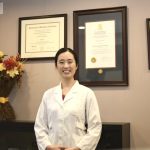
Can Gum Disease Be Reversed? Excel Dental Explains How Early Gingivitis Can Be Treated and What Hamilton Patients Should Know about Periodontitis
Hamilton patients often ask me whether gum disease can be fully reversed. At Excel Dental, located at 49 East Avenue South in Hamilton, I explain that when we catch gingivitis early it is usually reversible with a professional cleaning and improved home care, but once the infection advances into periodontitis the goal becomes long-term management to stop further damage and stabilize the gums and bone that support your teeth.
What is gingivitis?
Gingivitis is the earliest stage of gum disease and shows up as red, swollen gums that may bleed when you brush or floss. It is caused by plaque, the sticky bacterial film that forms on teeth, and it responds well to removing that plaque both at home and in the dental chair. I often tell patients that gingivitis is an alarm bell your mouth gives you, and it is one we can usually silence if we act early.
In the clinic I use gentle scaling and polishing to remove hardened deposits that brushing alone cannot shift. After that I spend time coaching patients on brushing technique, interdental cleaning, and the small changes that lead to big results. Many of my Hamilton patients see their gum health return to normal within a few weeks when they follow the plan.
How We Reverse Early Gingivitis
The first step I take with anyone who has gingivitis is a thorough assessment. I check gum depth, look for bleeding on probing, and evaluate each patient’s daily habits and risk factors like smoking or diabetes. This helps me tailor a treatment and prevention plan that fits that person’s life.
Professional cleaning removes plaque and calculus from above and below the gum line. I combine this with clear, practical home-care instructions, including how and when to floss, options for interdental brushes, and, when appropriate, recommending an electric toothbrush. When patients follow through, the inflammation usually subsides and the gums become pink and firm again.
Understanding Periodontitis
Periodontitis is established when the infection has moved below the gum line and begun to destroy the supporting bone and connective tissue around the teeth. Clinically I see deeper periodontal pockets and sometimes tooth mobility. At this stage you may notice persistent bad breath, receding gums, or teeth that look longer than they did before.
Once bone loss has occurred, the condition is not considered fully reversible in the sense of regenerating the original structure. My focus then shifts to stopping progression, preserving what you have, and improving function and comfort. Early referral to a periodontist is often part of that plan if complex treatment is needed.
Treating Advanced Gum Disease
For patients with periodontitis I often recommend a combination of therapies. Deep cleaning, called scaling and root planing, targets bacterial deposits below the gum line and encourages reattachment of the gum to the tooth. In some cases I may use localized antimicrobial treatments to help control infection.
Surgical options, when required, aim to reduce pocket depths and may include regenerative procedures to encourage soft tissue healing. Post-treatment, patients are placed on a maintenance schedule with more frequent cleanings and close monitoring. My experience shows that committed home care plus regular professional maintenance can keep periodontitis stable for many years.
Prevention and Ongoing Care
Preventing a return of gum disease is a partnership between you and your dental team. I emphasize consistent twice-daily brushing, daily interdental cleaning, and routine dental visits for professional cleanings. Lifestyle factors matter too. Quitting smoking and managing systemic conditions like diabetes make a very real difference in outcomes.
At Excel Dental I set realistic, personalized goals for each patient. For many people a maintenance check every three to four months is what keeps periodontal disease under control. Small, consistent habits prevent the need for more invasive care later on.
When to See a Specialist
If I detect deep pockets, rapid bone loss, or issues that are not responding to non-surgical therapy, I will discuss referral to a periodontist. These specialists focus on advanced gum disease and complex surgical options, and I work closely with them to coordinate care for my patients in Hamilton.
You should also consider seeing us sooner if you notice persistent bleeding, loose teeth, worsening breath, or changes in how your bite feels. Early intervention is always easier on your mouth and your wallet.
FAQ
Will bleeding gums always mean I have gum disease? Occasional bleeding can come from aggressive brushing or poor flossing habits, but frequent bleeding is a common sign of gingivitis. It is best to have an exam so I can determine the cause and guide you on the right cleaning technique or treatment.
Can gingivitis come back after treatment? Yes, gingivitis can return if daily plaque control lapses. That is why maintenance visits and consistent home care are so important. I tell patients that the control of gingivitis is ongoing and achievable with simple habits.
How long does it take to reverse gingivitis? Many patients notice improvement within a week or two after professional cleaning and improved home care, but full resolution of inflammation can take a few weeks. I monitor progress and adjust instructions as needed.
Is periodontitis painful? Periodontitis is not always painful and can be surprisingly silent until significant damage has occurred. That is why routine checks in the dental office are essential for early detection.
Will I need surgery for periodontitis? Not everyone needs surgery. Many patients respond well to non-surgical therapy and maintenance. Surgery is reserved for cases where pockets remain deep or bone loss is progressing despite treatment.
Can gum disease affect my overall health? Research shows links between periodontal disease and systemic conditions like diabetes and cardiovascular disease. Managing gum disease can be an important part of overall health, and I discuss these connections with patients who have medical risk factors.
Are antibiotics always necessary? Antibiotics are not always required. I use them selectively, often as an adjunct to mechanical cleaning when infection is severe or when specific bacteria are identified. Overuse of antibiotics is avoided.
What is periodontal maintenance and why is it important? Periodontal maintenance involves more frequent, targeted cleanings and exams to keep disease stable. For patients with past periodontitis it is the key to preventing recurrence and preserving teeth over the long term.
Can I treat gum disease at home without seeing a dentist? Home care is essential but cannot replace professional assessment and cleaning. If you try only home remedies you may miss deeper disease that requires clinical treatment. I encourage anyone with symptoms to book an appointment.
Does smoking affect gum disease? Yes, smoking impairs healing and increases the risk and severity of periodontal disease. Quitting smoking improves treatment outcomes and is one of the best things you can do for your oral health.
Are there special concerns for pregnant patients? Pregnancy can increase gum inflammation, so closer monitoring and consistent care are important. I work with pregnant patients to ensure safe, timely treatment and to minimize inflammation during this time.
How do diabetes and gum disease relate? Poorly controlled diabetes raises the risk of periodontitis and can make it harder to treat. Controlling blood sugar and regular dental care together improve oral and overall health.
More Information
For authoritative, Canada-specific information see the Ontario Dental Association at https://www.oda.ca for patient guides on gum health and preventive care, and the Canadian Dental Association at https://www.cda-adc.ca which offers evidence-based resources on periodontal disease and treatment options. These sites are useful for reliable, locally relevant advice and help you understand public health recommendations.
If you live in Hamilton and want a personal evaluation, call our office at 905-529-2164 to arrange an appointment. I look forward to helping you keep your smile healthy.