
Dentures in Hamilton: Evidence-Based Guidance for Comfort, Function, and Long-Term Oral Health
Why Dentures Still Matter
Tooth loss is common, especially as we age. According to the Government of Canada and national oral health surveys from Statistics Canada, untreated dental disease remains one of the leading causes of tooth loss in adults. Replacing missing teeth is not only about appearance. It supports chewing, speech, nutrition, comfort, and quality of life.
Dentures remain a time-tested and appropriate option for many patients. While dental implants are often discussed, dentures continue to play an important role in restorative dentistry, particularly when cost, medical history, bone levels, or personal preference make other options less suitable.
What Are Dentures?
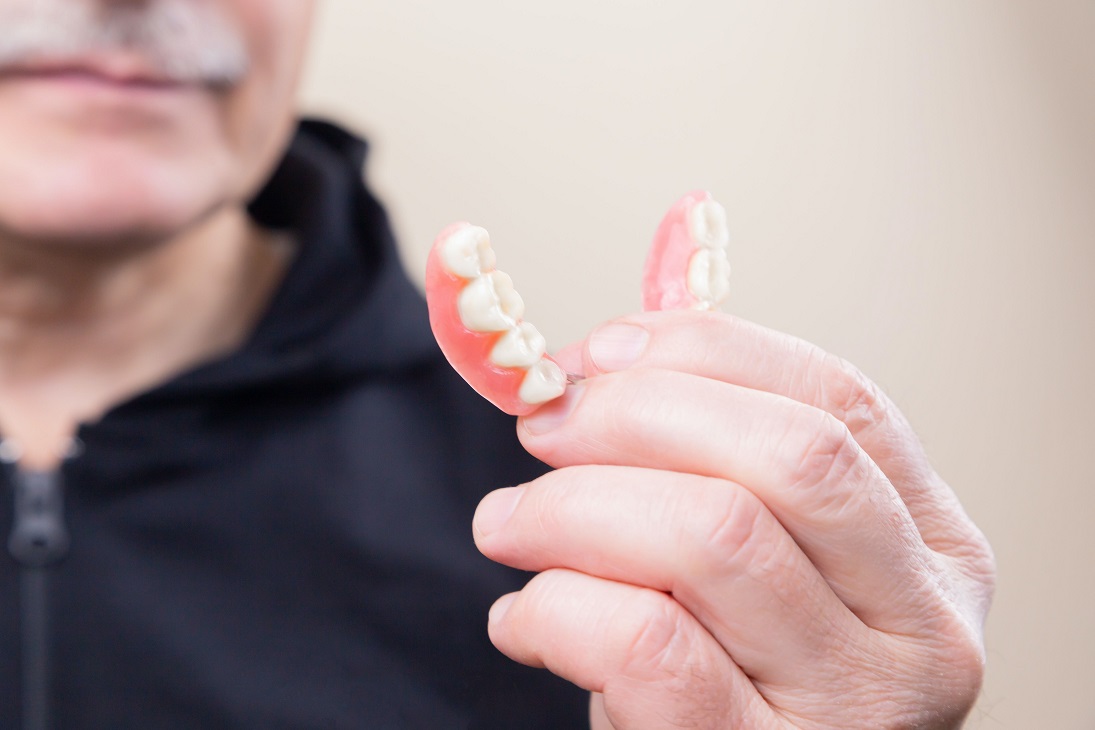
Dentures are removable appliances that replace missing teeth and surrounding tissues. They are custom-made to fit your mouth and restore function and appearance.
There are two main categories:
- Complete dentures replace all teeth in the upper or lower jaw.
- Partial dentures replace several missing teeth and attach to remaining natural teeth.
Modern dentures are typically made from acrylic resin, sometimes combined with metal frameworks for added strength in partial designs.
How Dentures Support Overall Health
Oral health is part of whole-person health. The World Health Organization recognizes oral health as essential to eating, speaking, and social participation.
When teeth are missing, people may avoid nutritious foods such as fruits, vegetables, and proteins that require chewing. Research in public health literature shows associations between tooth loss and reduced dietary quality. While replacing teeth does not automatically improve nutrition, restoring chewing ability can make balanced eating more realistic.
Tooth loss can also affect speech clarity and self-confidence. In my years of practice in Hamilton, I have seen how restoring a smile can help patients feel more comfortable socially and professionally.
Types of Dentures and When They Are Recommended
Conventional Complete Dentures
These are placed after all remaining teeth are removed and tissues have healed. Healing may take several weeks.
Immediate Dentures
These are inserted right after teeth are removed. They allow patients to avoid being without teeth during healing. However, adjustments are often needed as the gums and bone reshape.
Partial Dentures
Partial dentures are appropriate when healthy natural teeth remain. Preserving natural teeth is usually preferable when possible. Treatment planning follows evidence-based principles that prioritize maintaining healthy tooth structure.
Implant-Supported Dentures
For some patients, dentures can be stabilized with dental implants. Evidence summarized in systematic reviews in journals such as the Journal of Dental Research suggests that implant-supported overdentures can improve stability and patient satisfaction compared to conventional lower dentures. However, they involve surgery, additional cost, and require sufficient bone and medical suitability.
Not every patient is a candidate, and an in-person examination is essential.
Benefits of Dentures
- Restore chewing ability
- Improve speech clarity
- Support facial structure
- Enhance appearance
- Generally lower initial cost compared to implant therapy
Dentures are also non-surgical in most cases, which may be important for patients with complex medical conditions.
Limitations and What the Evidence Shows
Dentures have limitations. They rest on the gums and underlying bone, which naturally shrink over time after tooth loss. This process is well documented in dental research.
Common concerns include:
- Looseness, especially in lower dentures
- Sore spots
- Reduced chewing efficiency compared to natural teeth
- Need for periodic relines or replacement
Choosing Wisely Canada reminds both clinicians and patients that treatment decisions should be individualized. No single solution is ideal for everyone. A thorough assessment of bone levels, gum health, medical history, and personal goals is necessary.
Caring for Dentures
Good hygiene is essential. The Canadian Dental Association emphasizes that oral hygiene remains important even after tooth loss.
Daily care includes:
- Removing and rinsing dentures after meals
- Brushing dentures with a non-abrasive cleaner
- Cleaning the gums, tongue, and any remaining natural teeth
- Soaking dentures overnight unless otherwise advised
Regular dental checkups remain important. We screen for oral cancer, monitor tissue health, and assess denture fit. Ill-fitting dentures can contribute to tissue irritation and, in some cases, fungal infections.
Cost and Coverage in Ontario
Cost varies depending on complexity, materials, and whether extractions or additional procedures are required.
In Ontario, certain programs may provide assistance:
- Healthy Smiles Ontario covers eligible children and youth.
- The Ontario Seniors Dental Care Program provides coverage for qualifying low-income seniors.
- The Canadian Dental Care Plan, administered by the Government of Canada, is expanding access for eligible adults based on income and age criteria.
Eligibility criteria change over time, so it is important to review current government information or speak with our team for guidance.
When to Consider an Alternative
In some cases, other options such as fixed bridges or implant-supported restorations may provide greater stability or chewing efficiency. However, these involve different risks, benefits, timelines, and costs.
The best approach depends on:
- Bone volume and quality
- Medical conditions
- Budget considerations
- Personal comfort preferences
- Long-term maintenance goals
There is no universal solution. A comprehensive examination and diagnostic imaging allow us to outline realistic, evidence-informed options.
Questions to Ask at Your Consultation
- Am I a candidate for complete or partial dentures?
- Would implant support improve stability in my case?
- What maintenance will be required over time?
- How often will relines or replacement be needed?
- What are the total estimated costs, including adjustments?
Personalized, Evidence-Based Care in Hamilton
Since 1986, my focus has been careful diagnosis and treatment planning grounded in evidence and clinical experience. Dentures remain a valuable treatment option when selected thoughtfully. The goal is not simply to replace teeth, but to restore comfort, function, and confidence in a way that aligns with your health and priorities.
If you are considering dentures, a consultation allows us to assess your individual needs and discuss realistic expectations.
This article is for general education only and does not replace personalized advice, diagnosis, or treatment from a licensed dentist.
Sources
- Government of Canada Oral Health
- Statistics Canada Canadian Oral Health Survey
- World Health Organization Oral Health
- Choosing Wisely Canada Dentistry Recommendations
- Journal of Dental Research systematic reviews on implant-supported overdentures
This article is for general education only and does not replace personalized advice, diagnosis, or treatment from a licensed dentist.