Dental Checkups: Why They Matter and How Often You Really Need One
What Is a Dental Checkup?
A dental checkup is a preventive health visit focused on your teeth, gums, bite, and oral tissues. It usually includes an examination by the dentist, professional cleaning, oral cancer screening, and discussion about your individual risk factors for cavities and gum disease.
In Ontario, preventive oral care is strongly supported by public health guidance. Public Health Ontario and the Government of Canada both emphasize regular dental visits as part of maintaining overall health and preventing avoidable dental disease.
Why Regular Dental Checkups Matter
Most dental problems begin quietly. Cavities, gum disease, and even some oral cancers can develop with few or no symptoms in the early stages. A checkup allows us to identify concerns before they become painful, complex, or costly to treat.
According to Public Health Ontario, dental caries and periodontal disease remain among the most common chronic conditions affecting Canadians. Prevention and early detection are central to reducing long term complications.
During a checkup, we look for:
- Early tooth decay
- Signs of gum inflammation or periodontal disease
- Changes in bite or tooth wear
- Oral cancer or suspicious tissue changes
- Problems with existing fillings, crowns, or implants
Many of these issues are much easier to manage when caught early.
How Often Should You Have a Dental Checkup?
There is no single schedule that fits everyone.
Choosing Wisely Canada notes that recall intervals should be based on a person’s individual risk for oral disease rather than an automatic six month rule. Some people with low risk for cavities and gum disease may safely extend the time between visits. Others with higher risk may benefit from more frequent monitoring.
Factors that influence your recall schedule include:
- History of cavities or gum disease
- Smoking or vaping
- Diabetes
- Dry mouth
- Orthodontic appliances or complex restorations
- Pregnancy
- Age related changes
In my practice, I individualize checkup frequency based on clinical findings and evidence based risk assessment. The goal is neither over treatment nor under monitoring. It is appropriate, personalized care.
What Happens During a Dental Checkup?
A comprehensive checkup typically includes:
Medical and Dental History Review
Your overall health matters. Conditions such as diabetes, heart disease, autoimmune disorders, and certain medications can affect your oral health. The evidence linking gum disease and systemic health continues to evolve. There is strong association between periodontal disease and some systemic conditions, but causation is complex and still being studied. We interpret this evidence carefully and apply it appropriately to your care.
Clinical Examination
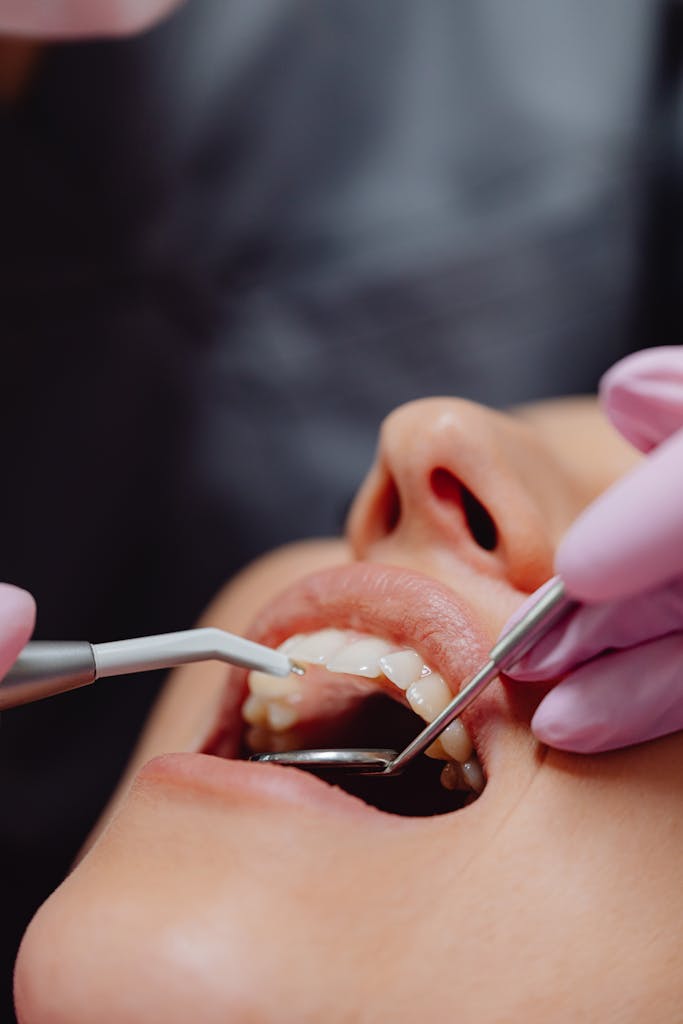
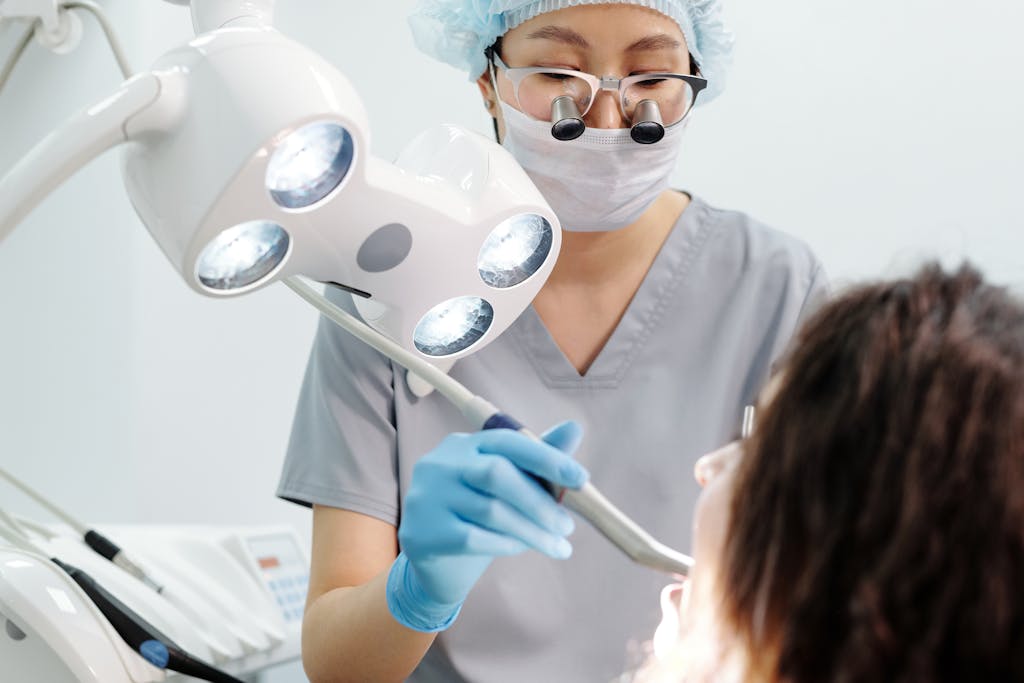
We examine your teeth, gums, tongue, cheeks, palate, and jaw joints. We measure gum health and assess signs of inflammation or bone loss.
Oral Cancer Screening
Early detection of oral cancer significantly improves outcomes. Screening is quick and non invasive, involving visual and tactile examination of oral tissues.
Professional Cleaning
Dental hygienists remove plaque and hardened deposits that brushing and flossing cannot fully eliminate. This reduces inflammation and lowers risk of gum disease progression.
Radiographs When Indicated
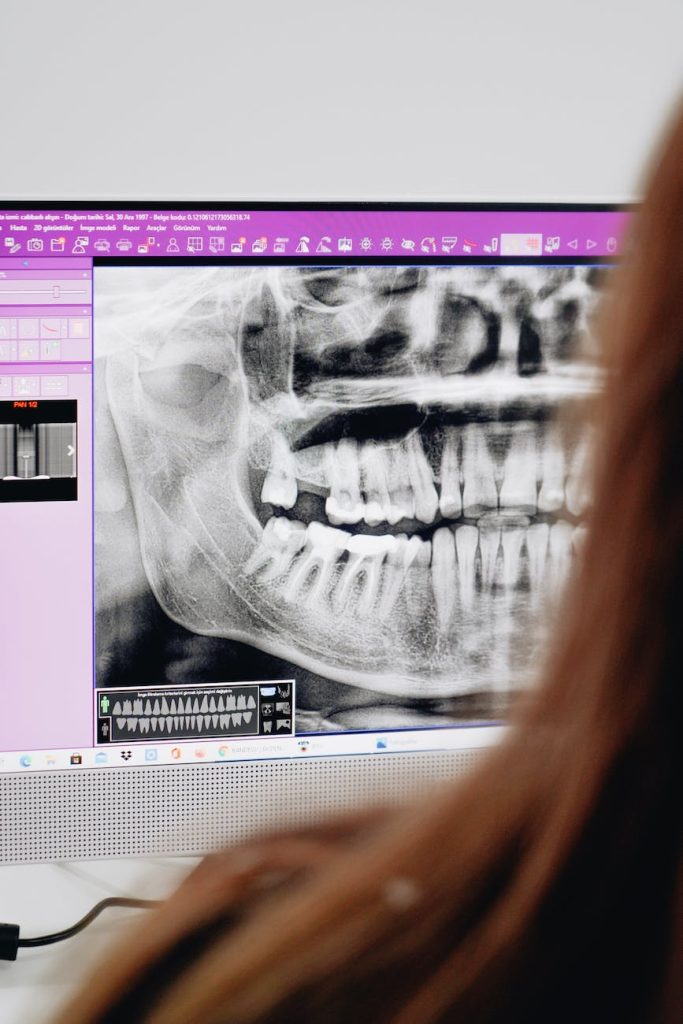
Dental X rays are prescribed based on clinical need and risk factors, not on a fixed schedule. The Royal College of Dental Surgeons of Ontario provides standards that emphasize using the lowest radiation dose necessary and only when diagnostic benefit outweighs risk.
Dental Checkups and Overall Wellbeing
Oral health is part of general health. The World Health Organization recognizes oral diseases as a major global public health concern, affecting quality of life, nutrition, speech, and social confidence.
Gum disease has been associated with systemic conditions such as diabetes and cardiovascular disease. While associations are well documented, research continues to clarify the direction and strength of these relationships. What we do know is that reducing oral inflammation is beneficial for oral health and may contribute positively to overall health, especially in people with chronic conditions.
For children, preventive visits are especially important. The USPSTF supports preventive interventions such as fluoride varnish for young children to reduce cavities. Early checkups also help establish positive dental experiences and healthy habits.
Common Questions Patients Ask
If My Teeth Feel Fine, Do I Still Need a Checkup?
Yes. Many dental conditions develop without pain. By the time discomfort appears, the issue may already require more complex treatment.
Are Cleanings Really Necessary?
Even with excellent home care, some plaque hardens into calculus and cannot be removed with a toothbrush. Professional cleaning reduces bacterial load and supports gum health.
Can I Delay Visits If Cost Is a Concern?
Preventive care is generally less costly than restorative treatment. In Ontario, programs such as Healthy Smiles Ontario and the Ontario Seniors Dental Care Program provide support for eligible residents. The Canadian Dental Care Plan also expands access for qualifying Canadians. It is worth discussing financial concerns openly so we can help you explore options.
What to Ask at Your Next Checkup
- What is my personal risk level for cavities and gum disease?
- How often should I return based on my risk?
- Are there areas I am missing when brushing or flossing?
- Do my medical conditions affect my oral health?
- Are any radiographs recommended today and why?
Informed patients make better decisions. I encourage questions at every visit.
Prevention Is a Long Term Investment
After nearly four decades in practice, I have seen how regular dental checkups can prevent significant problems. Thoughtful monitoring, early intervention, and individualized planning help patients maintain function, comfort, and confidence as they age.
Dental care is not just about fixing teeth. It is about maintaining health, supporting nutrition and speech, and preserving quality of life.
This article is for general education only and does not replace personalized advice, diagnosis, or treatment from a licensed dentist.
Sources
- Public Health Ontario Oral Health
- Government of Canada Oral Health
- Choosing Wisely Canada Dentistry Recommendations
- Royal College of Dental Surgeons of Ontario Standards and Guidance
- World Health Organization Oral Health
- USPSTF Oral Health Recommendations
This article is for general education only and does not replace personalized advice, diagnosis, or treatment from a licensed dentist.