
Missing Tooth Options: Implant, Bridge, or Denture?
One missing tooth or several? There is no single replacement that works best for everyone. The right choice depends on the teeth beside the gap, the bone underneath, how easy the area is to clean, how soon you want the space restored, and what fits your budget.
Implant with crown
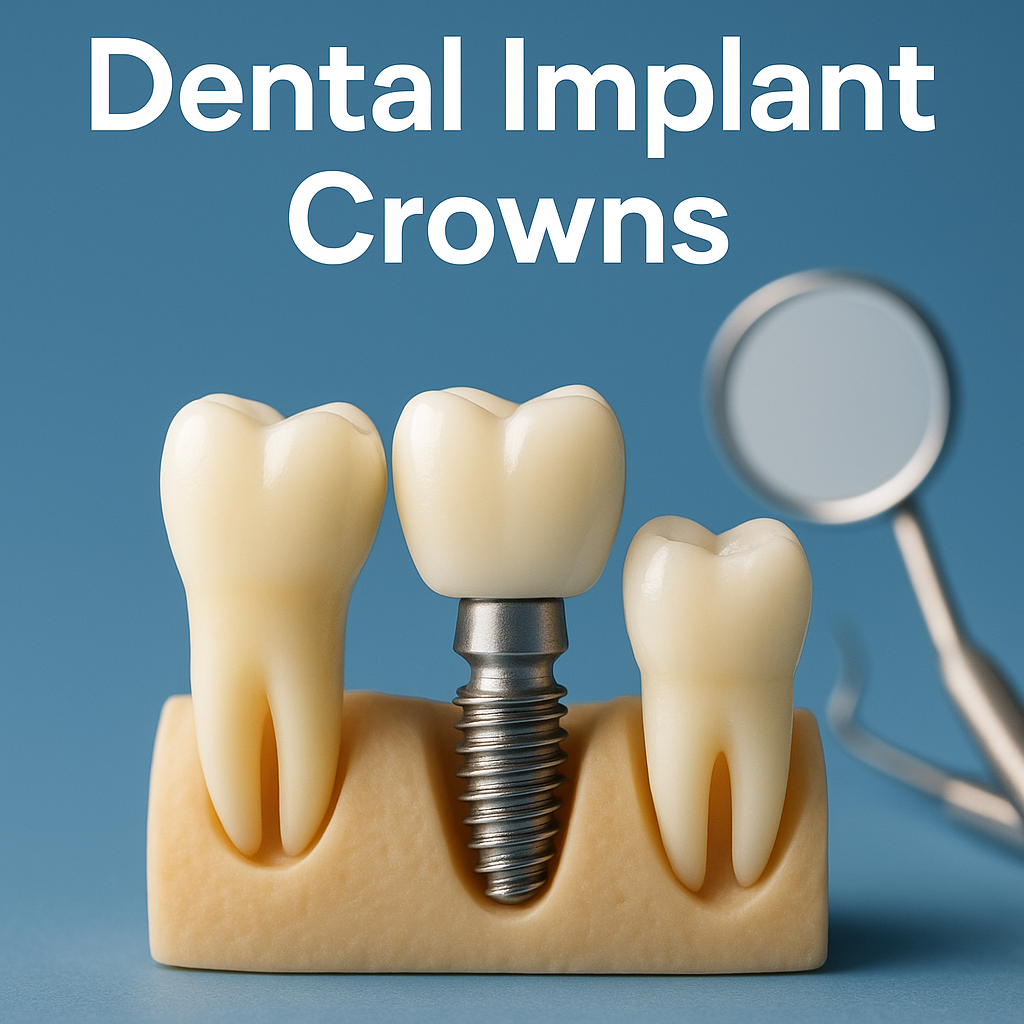
An implant replaces the tooth root with a small post placed in the jaw. After healing, a crown is attached on top. Because the implant stands on its own, it does not rely on the neighbouring teeth for support. That can be an advantage when the teeth beside the gap are healthy. Learn more on our dental implant treatment page.
Implants may help preserve nearby teeth because those teeth usually do not need to be used to hold the replacement in place. They are not right for everyone, though. They need enough bone, healthy gums, and regular home care. Healing time also matters, and some cases need extra steps before the implant can be placed.
Fixed bridge
A bridge fills the space by attaching an artificial tooth to crowns on the teeth next to the gap. It stays fixed in place, so it does not come in and out. For some patients, that feels familiar and stable.
A bridge can be a good fixed option when the neighbouring teeth already need crowns or other restoration. The tradeoff is that those teeth usually have to be prepared to support the bridge. That is an important point to discuss if the adjacent teeth are otherwise healthy.
Removable partial denture
A partial denture is a removable appliance that replaces one or more missing teeth. It often costs less up front than an implant or bridge, which can make treatment easier to start sooner.
Partial dentures can be a flexible choice when several teeth are missing or when a patient wants a non-surgical option. The downside is that they may feel bulkier than fixed choices, and they usually take time to get used to. They also need daily cleaning and periodic adjustments so they continue to fit well.
How dentists compare the options
- Nearby teeth: If the teeth beside the gap are strong and untouched, an implant may avoid changing them. If they already need crowns, a bridge may be worth discussing.
- Jawbone support: Implants need enough bone to hold them in place. When bone volume is limited, the plan may change.
- Cleaning: Implants, bridges, and partial dentures all need careful cleaning, but the steps are different. Areas around bridges and under partial dentures can trap plaque if they are hard to reach.
- Timeline: Implants usually take longer because healing is built into the process. Bridges and partial dentures can often be completed sooner.
- Comfort and feel: Fixed options may feel closer to natural teeth. Removable options can take more getting used to.
- Cost: Up-front cost is only one part of the decision. Repairs, maintenance, and replacement time also matter.
Canadian coverage and planning
Coverage can change what feels practical. Under the current Canadian Dental Care Plan, implant treatment and bridgework are excluded. Partial dentures may be covered when the plan criteria are met and preauthorization is approved. Even when coverage applies, out-of-pocket costs can still vary based on the details of the treatment plan.
That is why a written estimate matters. It helps you compare not just the fee today, but also the likely maintenance and follow-up care later.
A calm next step
If you are deciding between an implant, bridge, or partial denture in Hamilton, a dental exam can clarify which choice fits the tooth site and your goals. Excel Dental can review the options, answer questions, and provide a written treatment plan so you can make an informed decision.
Key sources
This article is for general education only and does not replace personalized advice, diagnosis, or treatment from a licensed dentist.