Bleeding Gums: When Home Care Is Enough and When to Book a Dental Visit in Hamilton
When a little bleeding can happen
Bleeding gums can happen from plaque irritation or when you start flossing more consistently after a break. A small amount of bleeding does not always mean a major problem, but it is a sign to clean more gently and keep going.
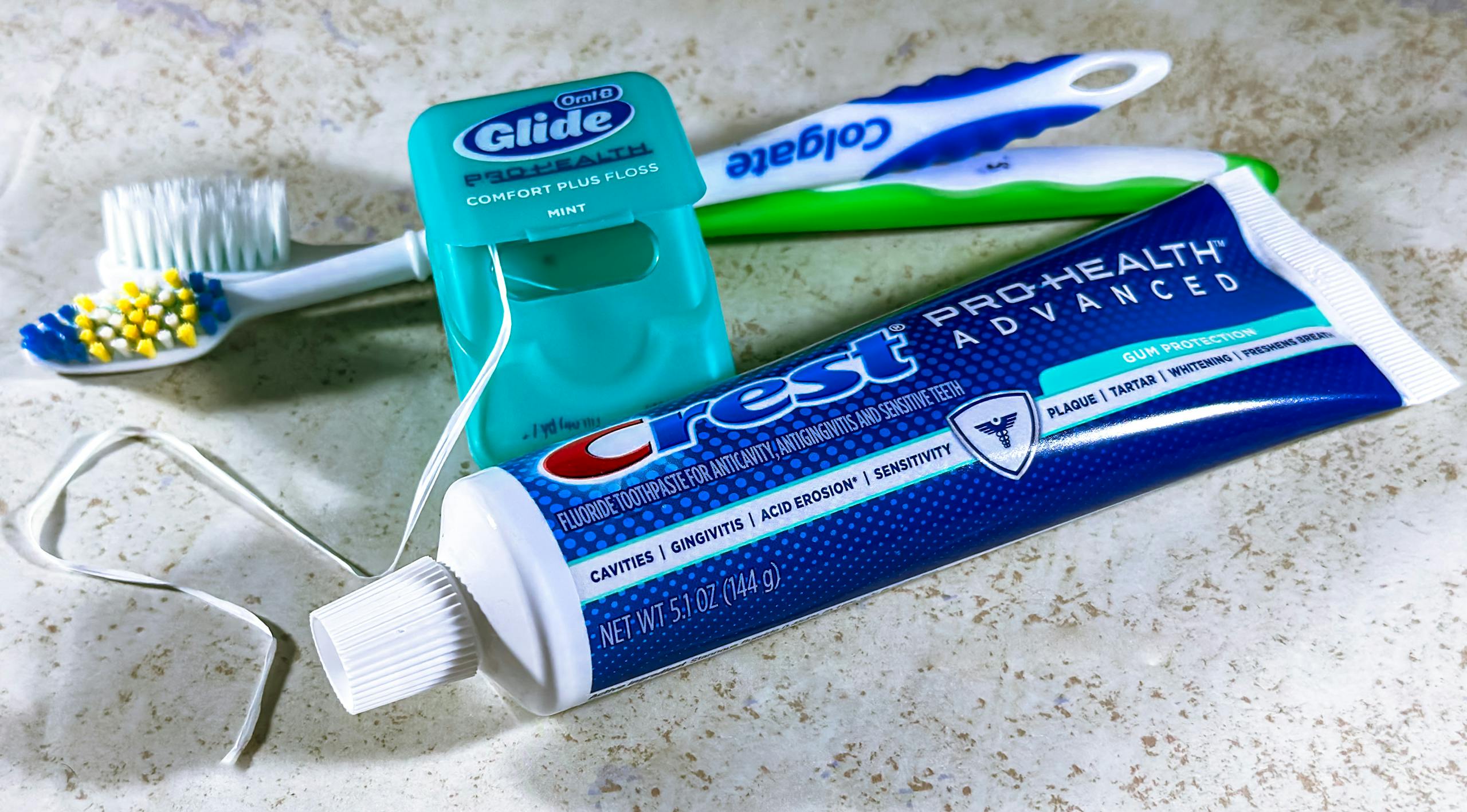
If the bleeding is mild, started after you changed your routine, and is already getting better, home care may be enough for now. For most people, the first steps are simple: brush twice a day with a soft toothbrush, clean between the teeth once a day, and be gentle around sore areas. Interdental cleaning used with brushing can help reduce plaque and gingivitis.
When to book a dental visit
Book a dental exam if bleeding keeps coming back, even after a few weeks of better home care. Also book sooner if the gums look red or swollen, feel tender, recede from the teeth, smell bad, or if a tooth feels loose. Those can be signs that your gums need a closer look.
Tell the dental team if you are pregnant, take blood thinners, or have a bleeding disorder. Those details help them interpret the bleeding, but persistent gum bleeding still deserves a check.
Bleeding gums are not something to ignore when they are ongoing, even if you already brush and floss regularly.
What a dentist may check
During a gum exam, a dentist or hygienist may look for inflammation, plaque buildup, gum recession, and pocket depth around the teeth. Those findings help show whether the problem is more likely simple irritation or periodontal disease.
For a plain-language overview of what treatment can involve after an exam, see periodontal treatment.
Hamilton next step
If your gums keep bleeding or you notice swelling, recession, or loose teeth, book a local dental visit rather than waiting for pain to start. If you are in Hamilton and unsure whether your symptoms are urgent, an exam can help you decide what to do next.
Key sources
This article is for general education only and does not replace personalized advice, diagnosis, or treatment from a licensed dentist.