
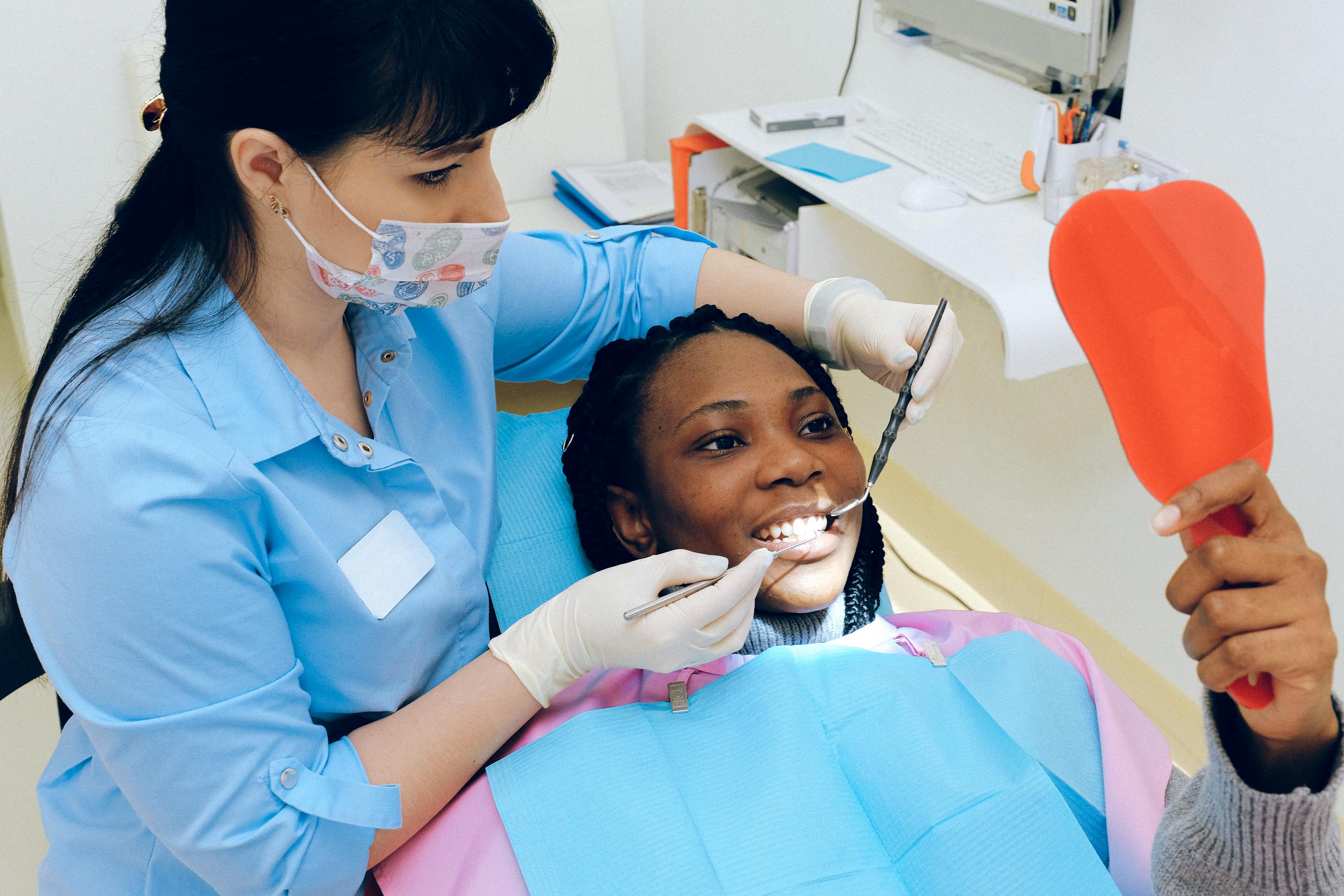
How Often Should Busy Hamilton Adults Book a Dental Checkup?
The short answer: it is not the same for everyone
A lot of busy adults want a simple rule for dental checkups. The honest answer is that there is no single schedule that fits every person. Canadian guidance says continuing care should be based on your oral-health risk, not a fixed calendar. In other words, the right timing depends on your teeth, gums, symptoms, and past dental history.
That is why some people may be seen sooner, some may go longer between visits, and some may stay on a more frequent recall schedule. The goal is prevention, not overbooking.
What a dentist looks at when choosing the recall interval
At a preventive visit, your dentist may look at more than just whether you have a cavity today. They may consider your gum health, your history of decay, dry mouth, how well plaque is being removed at home, and whether anything has changed since your last visit.
A Cochrane review of adult recall intervals found little to no difference between risk-based and six-month recall schedules over four years. That does not mean one interval is right for everyone. It means the best interval is often the one matched to your individual risk and current findings.
Why one visit can often do more than one job
For many patients, a preventive appointment can be planned efficiently. When it is clinically appropriate, a single visit may include the exam, cleaning, and patient-specific X-rays. Ontario’s dental regulator emphasizes that radiographs should be based on the clinical exam, your history, signs, symptoms, and caries risk — not on a fixed timetable for every patient.
That is good news if your schedule is packed. If you know you are coming from work, school, or downtown errands, it can be worth asking whether your visit can be organized to cover the most important preventive steps in one appointment.
Do not wait for pain alone
Pain is not the only reason to book. It is smart to call sooner if you notice bleeding gums, a sore or ulcer that is not settling, unusual dryness in your mouth, swelling, or any other change that does not seem normal for you.
Early review matters because some problems are easier to manage when they are found sooner, before they turn into a bigger issue. You do not need to decide what the problem is first — that is what the exam is for.
Simple ways to plan around a busy Hamilton schedule
If you are trying to keep dental care manageable, a few small habits can help:
- Book your next preventive visit before you leave the office.
- Ask whether the visit can combine the exam, cleaning, and any needed X-rays when appropriate.
- Tell the team if you have a tight work or school window so they can help you plan.
- Bring up any new symptoms, even if they seem minor.
For downtown Hamilton patients, that kind of planning can make preventive care easier to keep up with over time.
A calm next step
If you are due for prevention, a general dentistry visit is a sensible next step. The main point is simple: the best checkup interval is personal, not automatic. If you are not sure when to return, ask your dentist to tailor the timing to your risk and your schedule.
Key sources
- Canadian Dental Association – Frequency of Dental Care
- Cochrane Review – Recall Intervals for Oral Health in Primary Care Patients
- RCDSO – Information on Dental Radiographs
- Government of Canada – Gum Disease
This article is for general education only and does not replace personalized advice, diagnosis, or treatment from a licensed dentist.