
Clear Aligners or Braces for Busy Adults in Hamilton
Why busy adults compare these two options
Many adults in Hamilton want straighter teeth, but they also have work, family, and social routines to juggle. That is why the decision often comes down to a practical question: which treatment will be easiest to follow day after day?
Clear aligners and braces can both move teeth, but they fit daily life in different ways. The right choice depends on your bite, your habits, and how much day-to-day management you want to take on.
How clear aligners fit into a busy schedule
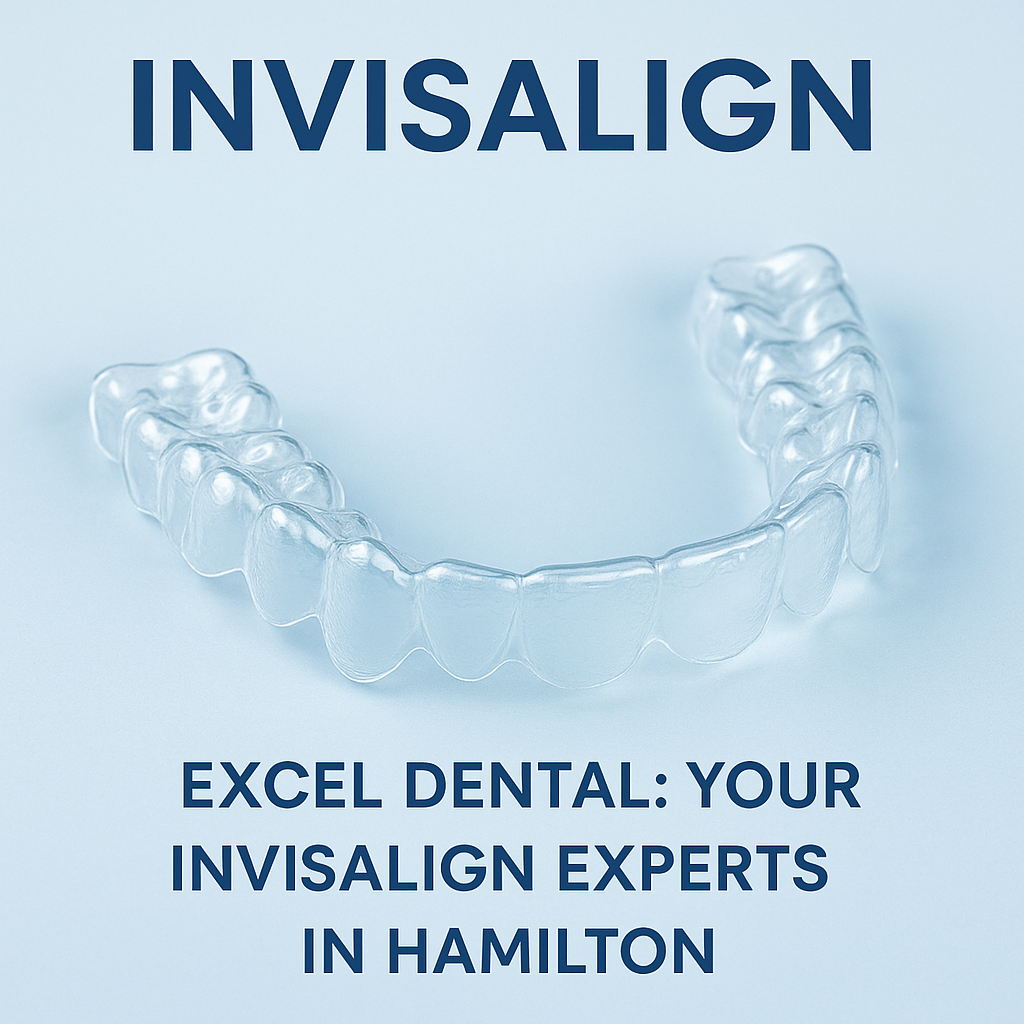
Clear aligners are removable trays that fit over your teeth. People often like them because they can come out for meals and for brushing and flossing. In many treatment plans, they also need to come out for drinks other than water.
There is one big catch: aligners only work well when they are worn consistently. If you forget them often, leave them out for long periods, or keep taking them out for snacks and drinks, treatment may not follow the plan as intended. In other words, aligners are convenient, but they also ask for regular self-management.
If you are comparing aligner care in more detail, our Invisalign page explains how this type of orthodontic care is typically planned.
How braces differ day to day
Braces are fixed to the teeth, so you do not remove them for meals or remember to put them back in. For some adults, that makes life simpler. There is less to track, and the appliance is always in place.
Braces can also be a better fit for certain tooth movements or bite changes. That does not mean aligners cannot help many adults. It means the appliance should match the movement needed, not just the option that sounds easiest.
Visibility is another difference. Aligners are usually less noticeable than braces, while braces are more visible but do not depend on tray wear-time discipline. Some adults care more about appearance; others care more about not having to manage a removable appliance. Both reactions are normal.
Eating, brushing, and flossing
Eating is usually more flexible with aligners because you remove them first. With braces, food choices matter more, and sticky or hard foods can be harder to clean away. That said, aligners are not a pass to skip oral care. Teeth still need to be brushed before the trays go back in, and the trays themselves need to be cleaned.
From a hygiene point of view, aligners may make brushing and flossing feel easier during treatment because the trays come out. But both options still require good home care and regular dental follow-up. Recent reviews suggest aligners can be effective for many malocclusions, but the evidence does not show that they are always healthier overall than braces.
What the evidence does and does not say
Recent research supports a careful, balanced view: clear aligners can be effective for many cases, but they are not the best answer for every bite problem. Studies do not show that aligners are always faster, healthier, or better overall than braces. Results depend on the diagnosis, the treatment plan, and how well the instructions are followed.
That is an important point for busy adults. The most convenient option on paper is not always the easiest one to succeed with in real life. If you know you would struggle to wear trays consistently, fixed braces may actually be the more practical choice.
Who may lean toward aligners, and who may lean toward braces
You may prefer aligners if you:
- want a removable option for meals and brushing
- can follow wear-time instructions consistently
- prefer something less noticeable day to day
- have a case that can be managed well with removable trays
You may prefer braces if you:
- do not want to track tray wear-time
- want a fixed appliance that stays in place
- have a bite change that may be better controlled with braces
- prefer a simpler routine for a busy schedule
The key is not to pick the most popular option. It is to choose the one that fits your teeth, your goals, and your routine.
A calm next step in Hamilton
If you are comparing orthodontics options or Invisalign in Hamilton, a consultation can help sort out whether aligners or braces better fit your bite, schedule, and habits. If you want to learn more about the aligner option first, see our Invisalign page.
Key sources
- Clear Aligners: Discreet Ways to Straighten Teeth
- Impact of Aligners and Fixed Appliances on Oral Health during Orthodontic Treatment
- Government of Canada: Oral Health
This article is for general education only and does not replace personalized advice, diagnosis, or treatment from a licensed dentist.