
When a Filling Isn’t Enough: Why a Tooth May Need a Crown
Sometimes a dentist says a filling is no longer the right repair. That usually means the tooth still needs treatment, but it also needs more support than a filling can provide on its own. In that situation, a crown may be considered because it covers the tooth and helps protect the remaining structure.
What a filling can and cannot do
A filling is designed to restore a smaller area of decay or damage. It works well when enough healthy tooth remains around the repair. But a filling does not wrap around the tooth, so it may not be the best choice when the walls are thin, heavily worn, or already broken.
That is why dentists do not look only at the size of the cavity. They also look at how much sound tooth is still there, where the tooth sits in the mouth, and how much force it takes when you chew.
Signs a tooth may need a crown instead of another filling
A crown is more likely to be discussed when a tooth has one or more of these problems:
- a large filling that is breaking down or keeps failing
- a broken cusp or wall of the tooth
- a visible crack, or symptoms that suggest cracking
- weakened structure after root canal treatment
These are decision points, not automatic rules. Some teeth can still be repaired with a filling or another conservative option. The right plan depends on whether the tooth can still be restored predictably.
Why root-canal-treated teeth are often considered for crowns
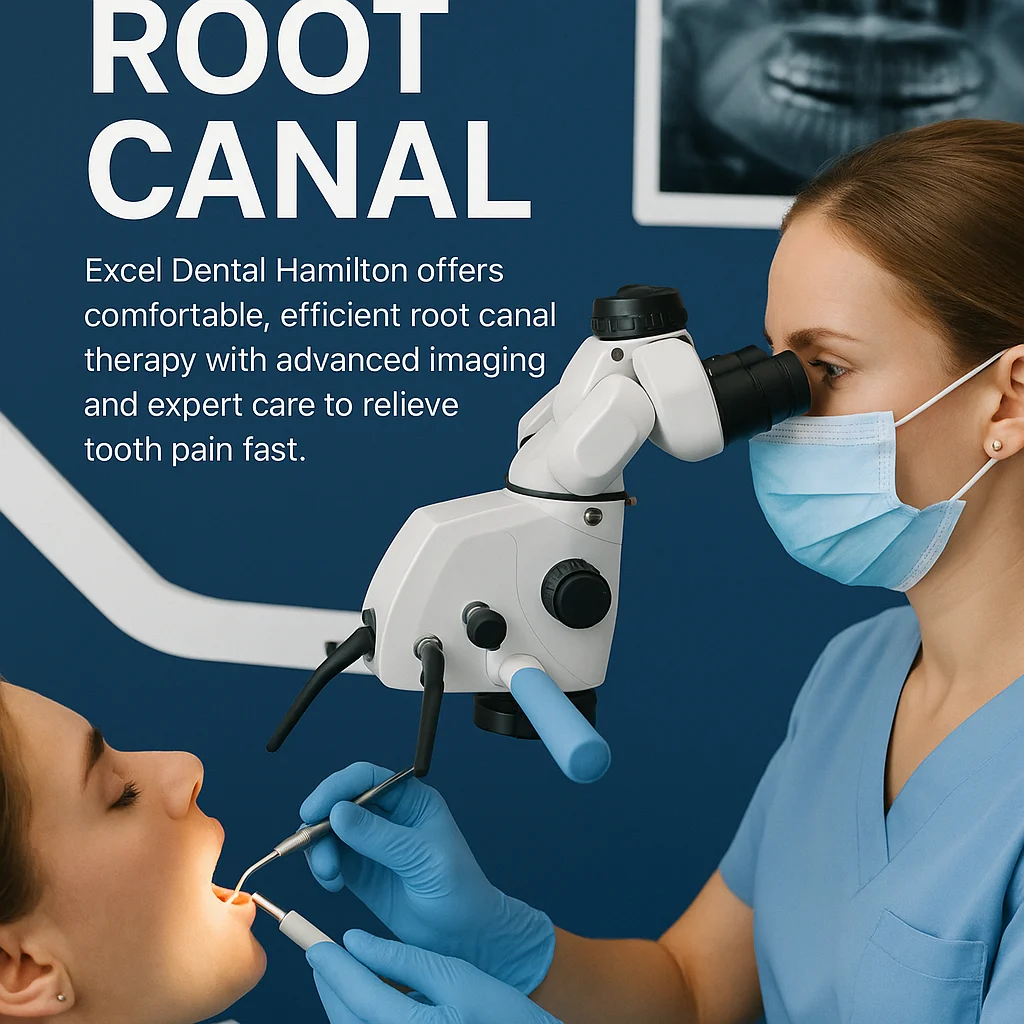
After root canal treatment, a tooth may have less internal structure left and may be more vulnerable to fracture, especially in back teeth that take stronger chewing forces. That is one reason crowns are often considered after root canal treatment.
Even so, the need is still case-specific. A back tooth with very little remaining structure may benefit from a crown more than a tooth that still has strong natural walls. Because bite forces and fracture risk are different from tooth to tooth, the same root canal result does not lead to the same restoration choice in every case.
The amount of remaining tooth structure matters when deciding how to restore a root-filled tooth.
Why the decision is not just “crown or no crown”
A crown may be recommended when a tooth needs structural support, but the exam usually looks at several things together:
- how much healthy tooth is left
- whether the tooth shows signs of cracking
- how hard the bite forces are on that tooth
- where the tooth is located in the mouth
- whether the tooth can still be restored in a predictable way
That last point matters. If a tooth cannot be restored well enough to function safely, a crown may not be the right answer. A careful exam helps separate a tooth that can still be saved from one that needs a different plan.
A short Canadian coverage note
If coverage is part of the decision, ask about the Canadian Dental Care Plan before treatment. Crown claims generally require preauthorization, and the tooth must meet restorability criteria. That means coverage is not automatic, and out-of-pocket costs can still vary depending on the plan and the situation.
What to ask at the visit
If your dentist brings up a crown, these questions can help make the plan clearer:
- What problem is the crown meant to solve?
- How much healthy tooth is still left?
- Is the tooth still restorable?
- Are there other options besides a crown?
- If I have Canadian Dental Care Plan coverage, does this need preauthorization?
Those questions keep the focus on function, predictability, and long-term planning rather than on the name of the treatment alone.
Next step in Hamilton
If a filling keeps breaking, a tooth chips repeatedly, or chewing causes pain or sensitivity, an exam can help sort out the cause and the best repair. At Excel Dental in Hamilton, that conversation can start with a calm review of your options and whether a crown is the right next step; learn more about crowns.
Key sources
- Crowns when a filling is not enough
- Government of Canada: CDCP Dental Benefits Guide
- When fillings are enough
This article is for general education only and does not replace personalized advice, diagnosis, or treatment from a licensed dentist.