
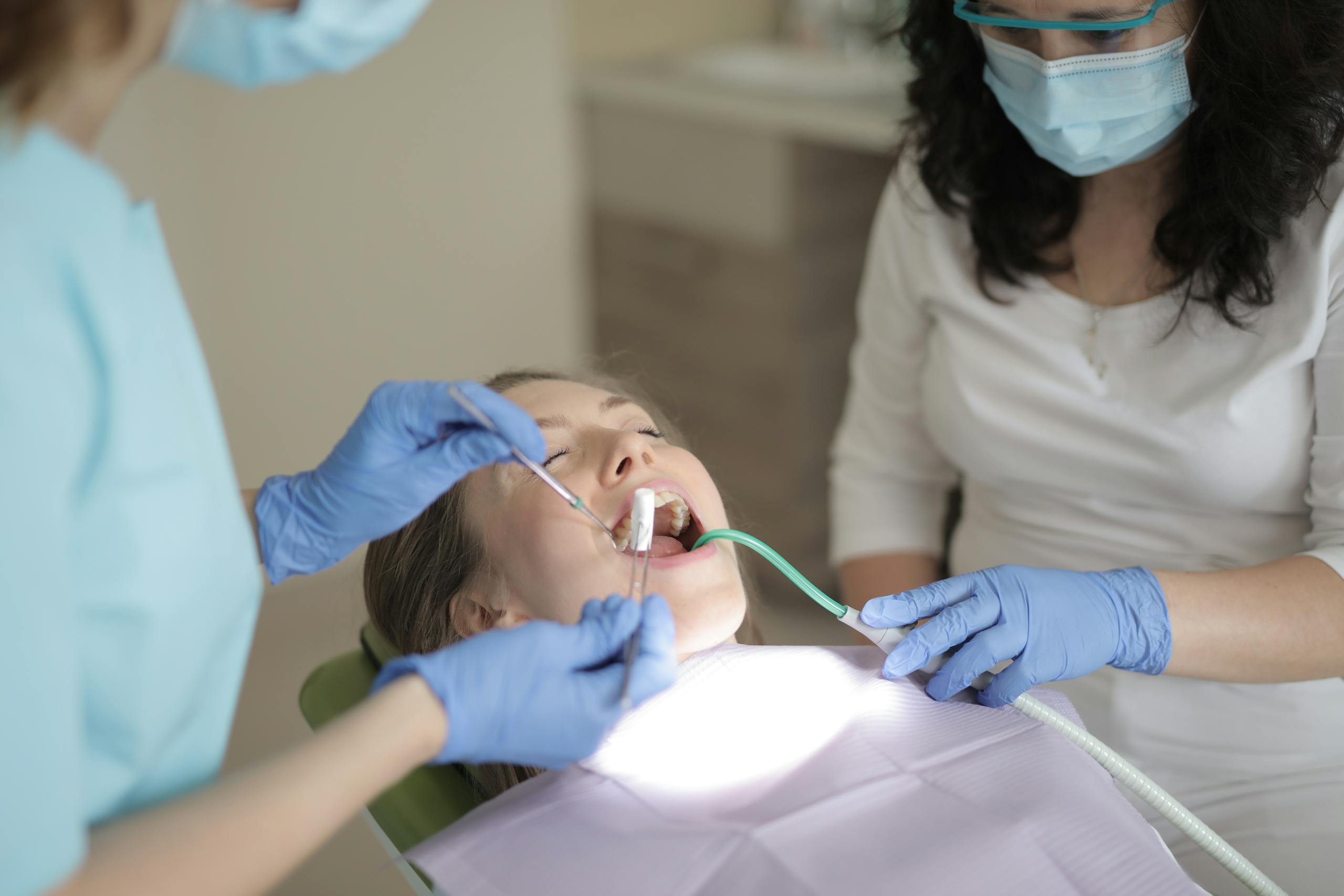
Do family dental checkups have to be every 6 months?
Six months is common, but it is not the rule for everyone
Many families think of dental checkups as “every six months,” and that can be a helpful starting point. But preventive recall timing is usually individualized. A dentist may suggest a shorter or longer interval based on age, oral-health risk, clinical findings, past dental problems, and how well home care is working.
That is why one person in a household may do well with a routine schedule, while another may benefit from closer follow-up.
What decides the next recall date?
In practice, the next visit is often based on three things: the person’s age, their oral-health risk, and what the dentist sees during the exam. A child with new teeth coming in, a teen with braces, or an adult with bleeding gums may not need the same timing as a healthy adult with a stable mouth and good home care.
That approach matches guidance from the Canadian Dental Association and pediatric dental recommendations that support risk-based preventive care instead of one fixed schedule for everyone.
Children and teens may need different timing
For children, the first dental visit is recommended by age 1 or within 6 months of the first tooth coming in. After that, the recall plan should be based on what the dentist sees and the child’s risk for cavities and other problems.
Teens may also need a different schedule than younger children. Braces, emerging wisdom teeth, frequent snacking, dry mouth, or a history of cavities can all affect how often preventive visits make sense.
If you want a broader overview of preventive care, our general dentistry page explains the everyday services that support checkups and routine oral health.
Adults may need more or less frequent follow-up
For adults, a routine recall may be enough when the mouth is stable and home care is working well. A shorter interval may be recommended when there are signs of gum inflammation, frequent cavities, dry mouth, or other new dental concerns.
The main idea is simple: the calendar matters, but the findings in the mouth matter more.
How families can schedule around school and work
It is reasonable to plan dental visits around school terms, exam periods, and work shifts. Many families find it easier to stay on track when they book the next recall before leaving the office instead of waiting until the last minute.
A few practical tips can help:
- Book the next visit before the current one ends.
- Ask for a reminder call, text, or email.
- Try to use school breaks or quieter work periods when possible.
- Keep each family member’s recall plan in one place so it is easier to coordinate.
When to call sooner instead of waiting
Do not wait for the next routine visit if someone has new symptoms or a change in oral health. A sooner appointment may make sense for:
- bleeding gums
- new tooth pain or sensitivity
- broken fillings or a loose restoration
- frequent cavities
- braces or other orthodontic appliances that are hard to clean
- swelling, infection concerns, or a dental injury
A calm next step for Hamilton families
If your family is trying to balance dental care with school, sports, and work, talk with your family dentist in Hamilton about a recall plan that fits your routine. The goal is to choose timing that is realistic for your household while still keeping prevention on track.
The best schedule is the one that is based on risk, keeps preventive care on track, and is realistic for your household.
Key sources
- Canadian Dental Association — Frequency of Care
- Government of Canada: Oral Health
- American Academy of Pediatric Dentistry — Periodicity of Examination and Preventive Services
- PubMed — Adherence to Individualized Recall Intervals
This article is for general education only and does not replace personalized advice, diagnosis, or treatment from a licensed dentist.