
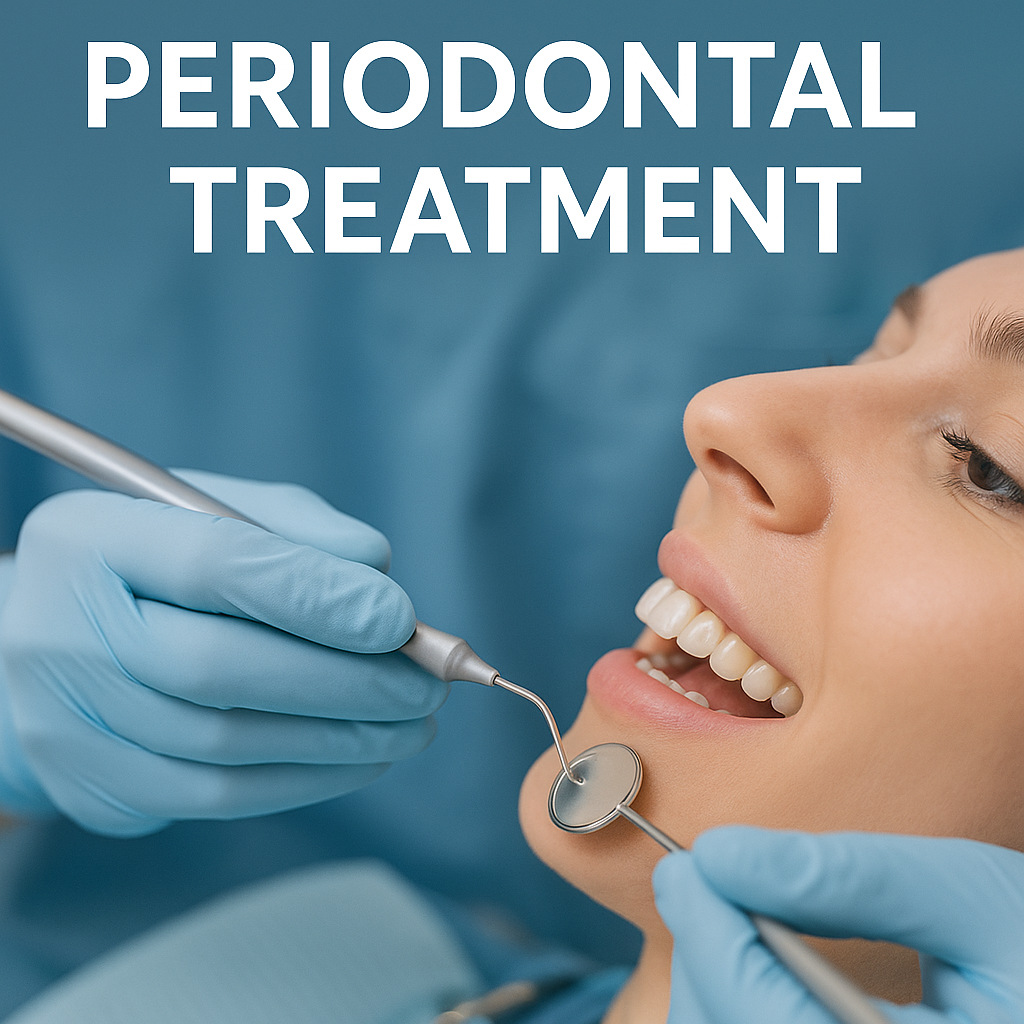
Bleeding Gums and Blood Sugar: What Patients Should Know About Periodontal Disease and Diabetes Risk
Why dentists ask about diabetes when gums bleed
If your gums bleed when you brush or floss, your dentist may ask about diabetes, blood sugar, or your most recent A1c. That can feel unexpected, but there is a good reason for it.
The relationship between diabetes and gum disease is two-way. Diabetes can raise the risk, severity, and healing challenges of periodontal disease. At the same time, periodontitis is associated with less favourable blood sugar measures, and in some people it can be one clue that a screening conversation with a physician or nurse practitioner makes sense.
This does not mean bleeding gums prove you have diabetes. It also does not mean treating gum disease will replace medical diabetes care. What it does mean is that your mouth can sometimes provide useful health clues, and your dental team may raise the topic to help you get the right follow-up.
Diabetes Canada Clinical Practice Guidelines and Diabetes Canada: Diabetes and Your Teeth both support regular dental care and attention to gum symptoms in people with diabetes.
What periodontitis is and how it differs from mild gingivitis
Gingivitis is the early stage of gum inflammation. It often causes redness, puffiness, or bleeding, especially during brushing or flossing. In many cases, gingivitis can improve with better home care and professional cleaning because the damage has not yet reached the deeper supporting tissues.
Periodontitis is more serious. It happens when inflammation and infection affect the tissues and bone that support the teeth. Over time, gums can pull away from the teeth, deeper pockets can form, and bone support can be lost. If periodontitis is not treated, teeth may become loose and can eventually be lost.
The 2017 World Workshop periodontal classification recognizes diabetes as an important modifying factor when dentists assess periodontal disease. In plain language, that means diabetes can influence how gum disease behaves and how closely it needs to be monitored.
Symptoms patients may notice at home
Many people do not realize gum disease can stay fairly quiet for a long time. Pain is not always an early warning sign. Common signs that deserve attention include:
- Bleeding gums when brushing, flossing, or eating
- Red, swollen, or tender gums
- Gums that seem to recede or teeth that look longer
- Persistent bad breath or a bad taste
- Spaces opening between teeth
- Loose teeth or a bite that feels different
- Slow healing after dental irritation or treatment
- Repeated gum infections or flare-ups
- Dry mouth
The European Federation of Periodontology recommendations for the oral health team also highlight bleeding, swollen gums, bad breath, loose teeth, and dry mouth as signs worth discussing.
How diabetes can affect gums, healing, and infection risk
When blood sugar stays high, the body may respond to infection and inflammation less effectively. In the mouth, that can mean more gum inflammation, deeper periodontal breakdown, slower healing, and a harder time controlling infections.
People with diabetes may also notice dry mouth more often. Dry mouth matters because saliva helps protect oral tissues and teeth. When the mouth is dry, people may have more irritation, more plaque buildup, more cavities, and more discomfort.
Just as important, blood sugar control seems to matter. The European Federation of Periodontology notes that people with diabetes who have good glycemic control may have periodontal outcomes closer to those of people without diabetes. That is one reason gum care should be seen as part of whole-person diabetes care, not as an optional extra.
What research suggests about periodontitis and blood sugar
The strongest evidence in this area is that diabetes increases the risk and severity of periodontal disease. The reverse direction is more nuanced.
Research does show that periodontitis is associated with poorer glycemic measures. A recent meta-analysis on HbA1c in non-diabetic periodontitis found that people with periodontitis, even without diagnosed diabetes, tended to have slightly higher HbA1c levels on average. That does not prove gum disease causes diabetes, but it supports a careful screening conversation when other risk factors are present.
There is also evidence that treating periodontal disease may help blood sugar a little in some adults with type 2 diabetes. A Journal of Clinical Periodontology HbA1c meta-analysis reported a modest average HbA1c improvement after non-surgical periodontal therapy over about 6 months. That is encouraging, but expectations should stay realistic. The improvement is an average finding across studies, individual results vary, and periodontal treatment is not a substitute for diabetes medications, nutrition care, exercise, or medical follow-up.
When it may be reasonable to ask about diabetes screening
Not everyone with bleeding gums needs blood sugar testing. Bleeding gums are common and often related to plaque buildup, gingivitis, brushing habits, or missed cleanings.
Still, it can be reasonable to ask a physician or nurse practitioner about screening for diabetes or prediabetes if you have periodontitis and one or more of the following apply:
- A family history of diabetes
- Previous gestational diabetes
- Overweight or obesity
- High blood pressure or abnormal cholesterol
- Slow healing or repeated infections
- Dry mouth along with gum problems
- Symptoms of high blood sugar, such as unusual thirst, frequent urination, fatigue, or blurred vision
- A history of blood sugar concerns or borderline results
This is not about self-diagnosing from your gums. It is about using oral findings as one part of a bigger health picture. The EFP recommendations for the oral health team support referral for risk assessment and screening when dental patients have periodontitis along with type 2 diabetes risk factors.
What periodontal treatment can and cannot do
Periodontal treatment aims to control infection and inflammation, reduce bleeding, protect tooth support, improve comfort, and help you keep your teeth longer. Depending on your needs, treatment may include a detailed periodontal exam, professional cleaning below the gumline, home-care coaching, risk-factor counselling, and supportive maintenance visits.
What it can do for blood sugar is more limited. In some adults with type 2 diabetes, non-surgical periodontal therapy may contribute to a modest HbA1c improvement over several months. That possible benefit is a bonus, not the main reason to treat gum disease.
What it cannot do is diagnose diabetes, replace routine medical care, or reliably normalize blood sugar by itself. Good outcomes usually come from combining dental treatment with ongoing medical care and consistent home habits.
What to do next at home
If you are worried about gum disease and diabetes risk, start with the basics that make the biggest day-to-day difference:
- Brush twice a day with fluoride toothpaste
- Clean between the teeth every day with floss, interdental brushes, or another tool your dentist recommends
- Keep up with periodontal maintenance or hygiene visits as advised
- Do not ignore bleeding gums that keep happening
- If you smoke or vape nicotine, ask for help with quitting, because tobacco raises periodontal risk and makes healing harder
- If you have diabetes, stay on track with your medical care, medications, nutrition plan, and recommended monitoring
- If your mouth feels dry, mention it to your dentist so causes and comfort strategies can be reviewed
For many families, the most helpful next step is not guessing at home. It is booking a dental exam that includes a gum assessment, then deciding whether medical screening is worth discussing based on the full picture.
Questions to ask the dentist or hygienist next
If this topic sounds familiar, these questions can help guide your next visit:
- Do my gums look more like gingivitis or periodontitis?
- Are there signs of bone loss, gum recession, or loose tooth support?
- How often should I have periodontal maintenance?
- What interdental cleaning tool is best for my mouth?
- Based on my dental findings and health history, should I ask my physician or nurse practitioner about blood sugar screening?
- Are there dry mouth or healing concerns I should address?
A practical takeaway for patients and families
Bleeding gums are common, but they are not normal. They deserve a dental check.
If you already have diabetes, taking care of your gums is part of protecting your oral comfort, chewing function, and long-term tooth support. If you have periodontitis plus other diabetes risk factors, asking about blood sugar screening is reasonable and sensible.
The goal is not fear. It is early attention, clear information, and coordinated care that supports both oral health and overall wellbeing.
Sources
- Diabetes Canada Clinical Practice Guidelines Introduction
- Diabetes Canada Diabetes and Your Teeth
- Journal of Clinical Periodontology HbA1c Meta-analysis
- HbA1c in Non-Diabetic Periodontitis Meta-analysis
- EFP Recommendations for the Oral Health Team
- 2017 World Workshop Periodontal Classification
- EFP Recommendations for Medical Professionals
- Pubmed
- Pubmed
- Rcdso
- Publichealthontario
This article is for general education only and does not replace personalized advice, diagnosis, or treatment from a licensed dentist.