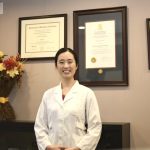
Advanced dental technology near Strathcona Hamilton for comfortable care
I am Dr. Cindy Li, and I enjoy helping Hamilton families feel confident about their dental health by combining a gentle chairside manner with modern techniques that make visits more efficient, precise, and comfortable, especially for my neighbours near Strathcona and downtown Hamilton.
How modern dentistry changes your visit
When people first visit me at Excel Dental at 49 East Avenue South, they are often surprised by how different dentistry feels compared to what they remember from years ago. Advanced tools allow me to diagnose problems earlier, treat teeth more conservatively, and shorten appointments.
Instead of relying only on what I can see and feel, I now have detailed digital images and highly accurate instruments that guide every step of your care. That means fewer surprises, clearer explanations, and treatment plans that are customized to your exact needs.
Many anxious patients tell me that the most reassuring part is how predictable everything becomes. When I can show you, on a screen, what I am seeing and how I will treat it, you stay in control and know what to expect at every visit.
Digital X‑rays and 3D imaging for precise diagnosis
In my practice, digital X‑rays are the foundation of accurate diagnosis. They use significantly less radiation than older film systems and provide clear images within seconds. This allows me to zoom in on tiny areas of concern, such as early cavities between teeth or changes in bone around roots.
For more complex cases, such as implants, root canal treatments, or jaw joint issues, I may recommend 3D cone beam imaging. This technology creates a three‑dimensional picture of your teeth, jawbone, and surrounding structures so I can plan treatments with a high level of precision.
The benefit for you is safer, more predictable care. With better information up front, I can often avoid exploratory procedures and design treatment that respects your natural tooth structure and your long‑term oral health.
Intraoral cameras that let you “see what I see”
One of my favourite tools is the intraoral camera, a small, pen‑shaped device that takes detailed photos inside your mouth. Many patients have told me that, for the first time, they truly understood what was happening with their teeth and gums after seeing these images on the monitor.
I use these photos to point out early areas of wear, tiny cracks, inflamed gums, and older restorations that may be breaking down. Instead of simply describing a problem, I can show you exactly what I am concerned about and explain your options in plain language.
When you can see your own teeth this clearly, it is much easier to feel confident about decisions. I find this shared view of your mouth creates a partnership, rather than a one‑sided conversation, which is especially important for patients who have had rushed or confusing experiences elsewhere.
Comfortable fillings with modern techniques and materials
Many people associate fillings with discomfort, long appointments, and a numb face for hours afterward. Modern techniques allow me to approach this much differently. I use precise local anesthetic methods, conservative tooth preparation, and high‑quality bonding materials to restore teeth with minimal stress.
Tooth‑coloured composite materials bond directly to the tooth, which helps me preserve more of your natural structure. I carefully shape and polish them so they blend with your smile and feel smooth when you bite and chew.
I also pay attention to little details that affect your comfort, such as using quieter handpieces, checking your bite meticulously, and giving you breaks if you need them. My goal is for you to leave the chair thinking, “That was easier than I expected,” and not worrying about returning for future care.
Advanced care for gum health and gentle cleanings
Healthy gums are the foundation of a healthy smile, and advanced tools have made caring for them much more comfortable. For many cleanings, I use ultrasonic instruments that remove plaque and tartar with tiny vibrations and a flow of water. This allows for efficient cleaning with very light pressure.
For patients with gum disease, I combine these tools with careful hand scaling, local anesthetic if needed, and detailed home care guidance. With regular monitoring and professional cleanings, I can often stabilize gum conditions without surgery.
I am very mindful of sensitivity. If you have had painful cleanings in the past, please tell me. I can adjust techniques, use numbing gels, or break treatment into shorter visits. My focus is on cleaning thoroughly while respecting your comfort and your pace.
Restoring teeth with crowns and cosmetic solutions
When a tooth is cracked, heavily filled, or worn down, a crown may be the best way to protect it for the long term. Today’s materials are strong, natural looking, and precisely designed. Using detailed digital imaging and careful planning, I can create crowns that fit comfortably and blend with your smile.
If you are concerned about the appearance of your teeth, we can also discuss solutions such as bonding, veneers, or whitening. My approach is to listen closely to what bothers you, assess your bite and gum health, and then recommend options that are realistic and sustainable.
I prefer subtle, natural improvements over drastic changes. Many of my patients simply want their teeth to look healthy and even, not “perfect.” With modern materials and a conservative mindset, we can often achieve that with minimal alteration of your natural teeth.
Root canal treatment with modern comfort in mind
Root canal treatment has an intimidating reputation, but modern technology has transformed the experience. With digital imaging, electronic root measurements, and advanced rotary instruments, I can often complete treatment more efficiently and gently than in the past.
I take special care with anesthetic so that you are thoroughly numb before we begin. Throughout the procedure, I check in frequently and encourage you to signal if you need a pause or feel any pressure. Most patients are surprised that a root canal feels very similar to a longer filling appointment.
By carefully cleaning and sealing the inside of the tooth, I can often save a tooth that would otherwise require removal. Afterward, I usually recommend a crown to protect the tooth and restore its function, especially for back teeth that handle heavier chewing forces.
Clear aligners for a more comfortable bite
For patients who want straighter teeth or a more balanced bite without noticeable hardware, clear aligner therapy can be an excellent option. Using digital scans and planning software, I can map out a series of custom trays that gradually guide your teeth into better positions.
I particularly appreciate how aligners can be removed for eating and brushing, which helps with comfort and oral hygiene. During treatment, we schedule regular check‑ins to monitor progress, adjust your plan if needed, and address any areas of pressure or rubbing.
Aligners are not right for every situation, especially very complex bite problems, but they work well for many adults and teens who want a more discreet approach. A thorough assessment lets me explain what is realistic and how long treatment is likely to take.
Technology for anxious patients and pain control
Dental anxiety is very common, and I see it often among new patients from Strathcona and across Hamilton. Modern tools help me reduce many of the triggers that make people nervous, such as long procedures, unclear explanations, and fear of pain.
I use careful, targeted anesthetic techniques, gentle instruments, and step‑by‑step communication so you always know what I am doing and why. In some cases, I can offer medication to help you relax, and I always respect your need to pause or ask questions.
Technology also helps us catch problems earlier, when treatment is simpler and less invasive. Regular visits supported by digital imaging and thorough exams usually mean shorter appointments and fewer emergencies, which often makes dentistry feel much more manageable over time.
Frequently asked questions
Is digital X‑ray radiation safe for me and my family?
Yes. Digital X‑rays use a much lower dose of radiation than older film X‑rays, and I follow strict safety protocols, including shielding and taking images only when clinically necessary. For most patients, the exposure is comparable to what you would receive from background sources in daily life. I am always happy to review your history and customize how often we take images.
How often do I really need dental X‑rays?
It depends on your risk level for cavities and gum disease. For patients with healthy mouths and low risk, I may recommend cavity‑detecting images every 1 to 2 years. If you have a history of frequent cavities, gum problems, or complex treatments, we may need them more often. I will always explain why a particular image is recommended for you.
Are root canals as painful as people say?
In my experience, the pain people remember is usually from the tooth infection before treatment, not the root canal itself. With good local anesthesia and modern instruments, most patients feel only vibration and pressure. After treatment, you may feel some tenderness for a few days, which is usually manageable with over‑the‑counter medication. I adjust my approach to your comfort and anxiety level.
What if I am very nervous about dental work?
Please tell me; you are not alone. I see many anxious patients, including those who have avoided the dentist for years. We can start with a simple conversation and examination, without any treatment if you prefer. I explain each step clearly, use numbing techniques carefully, and offer breaks as needed. In some cases, I can use medication to help you relax during longer or more complex procedures.
Are clear aligners right for my crooked teeth?
Clear aligners can treat many mild to moderate alignment and spacing issues. They work especially well if your main concerns are crowded front teeth, gaps, or mild bite discrepancies. Very severe or complex bite problems may need a different approach. I begin with a thorough exam and digital scans so I can show you what aligners can realistically achieve in your situation.
How long does clear aligner treatment usually take?
Treatment time varies with the complexity of your case, but many adult patients are in aligners for 6 to 18 months. You will switch to a new set of trays every 1 to 2 weeks and wear them most of the day, removing them only to eat, drink anything except water, and brush. I monitor your progress regularly and make adjustments if your teeth move faster or slower than expected.
Why do I need a crown after a root canal or large filling?
When a tooth has lost a lot of structure from decay, fracture, or previous fillings, it becomes more fragile. A crown covers and protects the tooth, helping prevent cracks and breakage. After root canal treatment on a back tooth, I almost always recommend a crown because those teeth handle strong chewing forces. My goal is to preserve your tooth for as long as possible.
Can advanced technology really make cleanings less painful?
For many people, yes. Ultrasonic tools and finer hand instruments can remove buildup more efficiently and with lighter pressure than older methods. If you have sensitive teeth or inflamed gums, I can use numbing gel, adjust the power of the ultrasonic scaler, or numb specific areas. We work together to find a pace and approach that keeps you comfortable while still being thorough.
Is teeth whitening at the dental office better than store‑bought kits?
Professional whitening allows me to use stronger, carefully controlled products that are tailored to your teeth and monitored for safety. I assess your enamel, existing restorations, and gum health before starting. Store‑bought kits can help a bit but are often weaker and less customized, which can lead to uneven results or sensitivity. I am happy to discuss whether whitening is appropriate for you.
How often should I schedule checkups if I have no pain?
Pain is a very late sign of dental problems. I recommend regular checkups, usually every 6 months, even if everything feels fine. At these visits, I can detect small issues before they become painful or expensive to treat. For some patients with excellent oral health, a slightly longer interval may be appropriate; for others with higher risk, I may suggest more frequent visits.
What if I have a busy schedule and limited time for appointments?
I understand that many Hamilton patients juggle work, school, and family responsibilities. Technology helps me plan more efficient visits and, in some situations, combine treatments to reduce the number of appointments. When we meet, we can prioritize your needs and create a realistic schedule that respects your time while still protecting your oral health.
More information
If you would like to learn more about dental care in Ontario, I recommend the Ontario Dental Association at oda.ca for patient‑friendly information about common treatments and prevention, the Government of Ontario health pages at ontario.ca for details on public programs and health guidance, and the Canadian Dental Association at cda-adc.ca for national resources on oral health, children’s dental care, and evidence‑based recommendations.
If you live in or near Strathcona and would like to experience how modern dentistry can feel more comfortable and personalized, I invite you to call my office at 905‑529‑2164 to schedule a visit so we can discuss the best approach for your smile.