Preventive dentistry for young adults near Beasley Hamilton you can trust
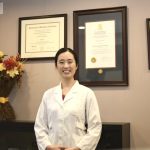
I am Dr. Cindy Li, and I enjoy helping Hamilton young adults around the Beasley neighbourhood feel confident about their smiles by focusing on simple, preventive habits that actually fit busy lives.
Why preventive care matters so much in your 20s and 30s
When patients in their 20s and 30s come to see me at Excel Dental on East Avenue South, many think real dental problems are something that happens “later.” In reality, this is the stage when small issues either get fixed easily or quietly grow into expensive, painful problems.
I see the same pattern again and again: a bit of bleeding when brushing, a tiny shadow on an X‑ray, or slight sensitivity to cold. Ignored for a few years, those small warnings can turn into deep cavities, cracked teeth, or early gum disease. Preventive dentistry is how we stop that cycle before it starts.
Your general health is tied to your mouth more than most people realize. Inflammation in the gums is linked with conditions like diabetes and heart disease. Keeping your mouth healthy is part of taking care of your whole body, not just your smile. My goal is to make that care straightforward, affordable, and as stress‑free as possible.
What preventive dentistry means in my Hamilton practice
Preventive dentistry simply means everything we do to stop problems before they need urgent treatment. In my office, that starts with regular checkups and professional cleanings tailored to your risk level, not a rigid calendar rule.
At your visit, I carefully check your teeth, gums, bite, and jaw joints, and we use digital X‑rays only when they are truly useful. This lets me catch early cavities, enamel wear, and gum inflammation while they are still easy to manage. I also pay close attention to lifestyle factors like work stress, sleep quality, diet, and medications, because those often explain what I see in your mouth.
Prevention also includes services like fluoride treatments, sealants for decay‑prone grooves, night guards for clenching, and customized home‑care routines. I try to give you clear, practical advice that you can actually follow, not a long lecture that leaves you feeling guilty.
Common issues I see in young adults near Beasley
In the Beasley area, many of my young adult patients work long or irregular hours, commute, or juggle studies and jobs. The result is often rushed meals, more coffee, energy drinks, and late‑night snacking. I frequently see enamel erosion from acidic drinks, early cavities between teeth, and puffy gums that bleed easily.
Stress is another big factor. I see a lot of jaw clenching and grinding, especially in students, healthcare workers, and office professionals. Over time, this can cause cracked teeth, headaches, chipped fillings, and sensitive teeth. Often patients are surprised when I show them the wear patterns that reveal just how much pressure they are putting on their teeth at night.
I also see dry mouth related to certain medications, including antidepressants, allergy medications, and ADHD treatments. A dry mouth makes cavities more likely because saliva is one of your body’s best natural defenses. When I know what medications you take and what your days look like, I can suggest very specific steps to protect your teeth from these side effects.
Daily habits that make the biggest difference
The most powerful preventive tools are the ones you use at home. I usually start by simplifying the basics: brushing twice a day for two minutes with a soft toothbrush and fluoride toothpaste, and cleaning between the teeth every day with floss or another tool you find comfortable.
Many patients brush fairly well but skip between‑teeth cleaning because it feels awkward or time‑consuming. My view is: the best method is the one you will actually do. For some people that is traditional floss, for others it is floss picks or a small interdental brush. During your visit, I am happy to walk you through different options and help you find something that feels realistic.
I also encourage young adults to think about “sugar exposure time” rather than just sugar amount. Sipping sweetened coffee or soda all afternoon bathes your teeth in acid for hours. If you do enjoy sweet drinks, it is kinder to your teeth to have them with a meal and then switch to water. Simple changes like chewing sugar‑free gum after snacks or keeping a reusable water bottle handy can significantly reduce your risk of cavities.
Professional cleaning and exams: what to expect
Many people feel nervous about dental visits because they are not sure what will happen. At Excel Dental, I aim to keep things calm, gentle, and transparent. A typical preventive visit starts with a conversation about your concerns, recent health changes, and any sensitivity or jaw fatigue you might have noticed.
During the exam, I check your teeth for early decay, inspect existing fillings and restorations, look for signs of grinding, and assess your gums for inflammation or recession. If X‑rays are needed, I explain exactly why and what I am looking for. We use digital imaging to minimize radiation and give clear, sharp views.
The cleaning itself focuses on removing plaque and tartar that brushing and flossing leave behind, especially under the gumline and between teeth. My team and I work gently, with breaks whenever you need them. I know many young adults have had rushed or uncomfortable experiences in the past, so I am careful to ask for feedback and adapt my approach. At the end, I summarize what I saw and give you a straightforward plan for the months ahead.
Fluoride, sealants, and other preventive treatments
Fluoride is one of the simplest ways to make teeth more resistant to cavities, especially if you have a history of decay, dry mouth, or frequent snacking. At my office, professional fluoride can be applied as a varnish that sets quickly and does not require you to sit with trays in your mouth. For many young adults, I also suggest a fluoride toothpaste or mouth rinse at home.
Dental sealants are thin, protective coatings that flow into the grooves of back teeth where toothbrush bristles have trouble reaching. They are especially helpful for patients who have deep pits in their molars or a history of “tiny” cavities that keep appearing in the same areas. Placing sealants is painless and usually does not require freezing; we simply clean the tooth, prepare the surface, and paint the material on.
For those who grind or clench, a custom night guard is a form of prevention too. It helps protect teeth and jaw joints from constant pressure and reduces the risk of cracks and fractures. In some cases, I will also discuss stress‑management strategies or referrals to other health professionals if I suspect sleep apnea or more complex jaw issues.
Nutrition and lifestyle choices that protect your smile
What you eat and drink throughout the day strongly influences how likely you are to get cavities and gum problems. I do not believe in strict “good” or “bad” foods, but I do pay attention to patterns. Frequent sipping of sugary drinks, fruit juices, and flavoured coffees is much tougher on your teeth than enjoying them occasionally with meals.
When I review a typical day’s diet with patients, we often find easy adjustments: swapping one daily sugary drink for water, choosing snacks like cheese, nuts, or vegetables instead of sticky sweets, and avoiding going to bed right after a late‑night snack without brushing. If you are vegetarian, vegan, or follow a specific eating plan, I can help you think through any added risks, such as higher acidity or frequent grazing.
Lifestyle also includes smoking and vaping. Both can irritate your gums, slow healing, and increase your risk of staining and oral cancer. I support patients who are trying to cut back or quit and can connect you with community resources to make that process easier. Even small reductions in frequency can improve your oral health.
Balancing busy schedules, budgets, and dental needs
I know that many young adults are balancing tuition, rent, and starting careers. Preventive care is often the part of the budget that feels easiest to delay, especially if nothing hurts. From years of practice, I can say that catching problems early is almost always cheaper and less disruptive than waiting.
At Excel Dental, my team helps you understand your insurance coverage and estimate out‑of‑pocket costs before we start any treatment. When possible, I sequence care so we address urgent issues first and then plan preventive visits at intervals that make sense for your risk level and your finances.
Scheduling is another concern for Beasley‑area patients who juggle work and family responsibilities. We offer appointment times designed to make it easier to come in before or after work. If you have anxiety or have not seen a dentist in a long time, please tell me. We can take things step by step, focus on comfort, and build a plan that feels manageable.
Preventive dentistry and your long‑term smile
The choices you make in your 20s and 30s have a big impact on how your teeth will feel in your 40s and beyond. Patients who commit to regular preventive visits, good home care, and a few smart lifestyle habits often keep more of their natural teeth, need fewer complex treatments, and feel more confident about their smiles.
I think of preventive dentistry as a partnership. My role is to notice patterns, catch early warning signs, and give you clear guidance. Your role is to show up for yourself between visits with small daily habits. When that partnership works, your dental visits become less about fixing problems and more about fine‑tuning and reassurance.
If you are living, studying, or working near Beasley, I am here a short walk away at 49 East Avenue South to help you build that long‑term plan. Even if it has been years since your last appointment, we can start from where you are now and move forward together.
Frequently asked questions from young adult patients
How often should I really come in if my teeth feel fine?
If your mouth is healthy and you are at low risk for cavities and gum disease, I usually recommend a visit every 9 to 12 months. If you have any risk factors, such as frequent snacking, past gum problems, or new medications that cause dry mouth, I may suggest every 6 months. We decide this together based on what I see in your mouth, not a one‑size‑fits‑all rule.
What if I have not seen a dentist in years and I am embarrassed?
You never need to feel embarrassed in my chair. I see patients all the time who have avoided the dentist for years due to fear, finances, or past experiences. My focus is on understanding your current situation and helping you move forward, not judging the past. We can start with a gentle exam and clear explanations, and you stay in control of how quickly we proceed.
Are electric toothbrushes really better than manual ones?
Both can work well if used properly. Electric brushes can make effective brushing easier and more consistent, especially if you are in a hurry or tend to scrub too hard with a manual brush. I often recommend an electric brush for patients with a lot of plaque buildup or gum inflammation. If you are happy with your manual brushing results, that is fine too.
Do I actually need to floss every day?
Cleaning between your teeth daily is very important, but I am flexible about the method. Traditional floss is excellent, but floss picks, interdental brushes, or a water flosser can also work. I recommend choosing a method you can stick with and doing it once a day, ideally at night, so food and plaque are not sitting between your teeth while you sleep.
Is whitening safe for my teeth?
Professional whitening, when properly supervised, is safe for most healthy teeth and gums. I start with an exam to make sure you do not have untreated cavities or active gum disease. Over‑the‑counter kits can be safe too, but they are less predictable, and some patients overuse them. If you are interested in whitening, I can help choose the safest approach and manage any temporary sensitivity.
My gums bleed when I brush. Should I stop brushing there?
Bleeding gums are usually a sign of inflammation, not a sign that you should avoid brushing. In most cases, gentle but thorough cleaning along the gumline, plus a professional cleaning, will reduce bleeding within a couple of weeks. I will check to make sure there is no more serious issue and then show you a brushing technique that cleans well without causing trauma.
What can I do about jaw pain or headaches from clenching?
If you wake up with sore jaw muscles, headaches near your temples, or notice chipped edges on your teeth, you might be clenching or grinding. I will examine your bite and the wear patterns on your teeth. Often a custom night guard, combined with stress‑reduction strategies and simple stretches, can make a significant difference. In some cases, I may refer you to other healthcare providers if I suspect a sleep or jaw joint disorder.
Are dental X‑rays really necessary? I am worried about radiation.
X‑rays allow me to see between teeth, under fillings, and around roots where problems often start silently. We use digital X‑rays, which use a very low dose of radiation, far less than many medical imaging tests. I prescribe them only when they add important information, and I am always happy to discuss whether they are needed at a particular visit.
How does vaping affect my teeth and gums?
Vaping may seem gentler than smoking, but it can still irritate your gums, contribute to dry mouth, and increase your risk of inflammation. Some flavourings and chemicals may also affect the soft tissues in your mouth. In my practice I often see more staining and gum issues in people who vape regularly. If you are trying to cut back, I can point you toward local support resources.
What should I do if I am afraid of dental treatment?
Dental anxiety is very common, especially in young adults who had unpleasant experiences as children. I encourage you to tell me about your worries before we start. We can use simple comfort measures, go slowly, and take breaks. Sometimes just knowing what will happen next and having some control over the pace makes visits much more manageable.
More information
If you would like to learn more about oral health and preventive care, the Ontario Dental Association at oda.ca offers patient‑friendly articles and explanations about common treatments and dental conditions. The Canadian Dental Association at cda-adc.ca provides information about topics such as fluoride, nutrition, and oral health at different life stages. You can also explore ontario.ca for details about provincial health programs and resources that may relate to your dental and overall health.
If you are a young adult living or working near Beasley and you are ready to take a proactive approach to your oral health, I invite you to call my office at 905-529-2164 so we can schedule a visit and create a preventive plan that fits your life.