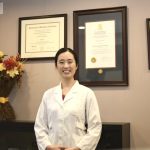
Can Gum Recession Be Fixed? Excel Dental in Hamilton, Ontario Explains Treatments from Deep Cleaning and Scaling to Gum Graft Surgery
When Hamilton residents ask if gum recession can be fixed, I tell them yes, often it can be improved or its progress stopped, but the right treatment depends on how advanced the recession is. I’m Dr. Cindy Li at Excel Dental, 49 East Avenue South in Hamilton, and in my practice I help patients choose options from deep cleaning and scaling to grafting procedures when necessary, always tailored to their goals for comfort, function, and appearance.
What Causes Gum Recession?
Gum recession happens when the gum tissue around teeth pulls back or wears away, exposing more of the tooth or its root. I see recession most often from long-term gum disease, overly aggressive brushing, clenching or grinding, and sometimes from tooth position or piercings. Lifestyle factors like smoking and poor oral hygiene also increase risk.
Many patients are surprised that some recession is gradual and painless until sensitivity or visible root exposure appears. That’s why I emphasize regular checkups at Excel Dental; catching early changes in Hamilton can mean simpler, less invasive care.
How We Diagnose Gum Recession
Diagnosis starts with a careful exam and measurements of your gum levels around each tooth. I look for pocket depths, the amount of attached gum, signs of inflammation, and any root exposure. We may take X-rays to evaluate bone support, which helps determine whether we are dealing with periodontal disease or localized recession.
I also review your home care habits and medical history because conditions like diabetes or certain medications can affect gum health. A complete picture helps me recommend the treatment most likely to stop progression and improve your smile.
Non-Surgical Treatments: Deep Cleaning and Scaling
For many Hamilton patients with early to moderate gum recession related to gum disease, scaling and root planing — often called deep cleaning — is the first line of treatment. This removes plaque and hardened tartar below the gum line and smooths the root surface so gums can reattach more easily. I perform this under local anesthesia when needed to keep you comfortable.
Deep cleaning often stops disease progression and reduces inflammation and bleeding. After treatment we schedule follow-up visits to monitor healing and reinforce home care. In many cases, this approach stabilizes the condition without surgery.
Surgical Options: Gum Graft Surgery and Alternatives
When recession is more severe, or when root coverage and improved aesthetics are important, surgical options can restore gum tissue. Connective tissue grafts use tissue from your palate to cover exposed roots and increase thickness. There are also alternatives such as free gingival grafts and modern donor or material-based grafts that avoid a second surgical site.
My goal is to choose a technique that balances predictable results with minimal discomfort. I discuss the pros and cons, expected outcomes, and realistic goals so you know what to expect before we proceed.
Recovery and Aftercare
After graft surgery patients usually experience mild to moderate discomfort for a few days, controlled with pain medication and cold packs. We place protective dressings and sutures that are removed or dissolve depending on the technique. I recommend a short period of soft foods, gentle oral rinses, and avoiding brushing the surgical site until I give the go-ahead.
Follow-up visits are important so I can assess healing and remove sutures if needed. With proper care most patients see improved coverage, less sensitivity, and healthier gum tissue within a few weeks to months.
Prevention and Long-Term Care
Preventing further recession focuses on controlling periodontal disease and modifying habits that harm gums. That means consistent, gentle brushing with the right technique, daily flossing or interdental cleaning, mouthguard use if you grind your teeth, and smoking cessation if applicable. I coach patients on technique during hygiene visits here in Hamilton.
Maintenance visits every three to six months, depending on your risk, help catch new problems early. Long-term success often comes down to partnership: I provide clinical treatment and guidance, and you maintain daily care at home.
FAQ
Will a deep cleaning fix my receding gums? Deep cleaning can stop the progression of recession caused by gum disease and reduce inflammation, but it may not restore lost gum tissue; if root coverage is a goal, we may discuss surgical options.
Is gum graft surgery painful? Most patients report manageable discomfort that peaks in the first 48 hours and improves quickly; we use local anesthesia during the procedure and provide pain control afterward.
How long does it take to heal after a gum graft? Initial healing is usually within two weeks, but full maturation of the graft can take several months; you will have staged follow-ups to monitor progress.
Can brushing harder reverse gum recession? Brushing harder can actually worsen recession; gentle, effective technique with a soft-bristled brush is safer and I can show you the best method during your visit.
Are there non-surgical alternatives to grafting? Yes, in some cases donor tissue products or minimally invasive tunneling techniques can reduce the need for a palate graft; the best option depends on your specific situation.
Will my teeth become loose if I have gum recession? Recession itself does not always mean loose teeth, but when it is accompanied by bone loss from periodontitis, tooth mobility can occur; treating the underlying disease is essential to preserve tooth support.
How much does gum graft surgery cost? Costs vary based on complexity and materials; we provide a personalized estimate at Excel Dental and can discuss insurance coverage or payment options before treatment.
Can recession come back after treatment? Recession can recur if the contributing cause remains, so ongoing maintenance, smoking cessation, and addressing grinding or misalignment are important to prevent recurrence.
Do dental insurance plans cover gum grafts? Coverage varies by plan; many provincial and private plans cover all or part of periodontal treatments. We can help you check benefits before starting treatment.
When should I see a periodontist? I may refer you to a periodontist for very advanced cases or when specialized grafting techniques are needed, but many cases can be managed successfully right here at Excel Dental in Hamilton.
More Information
For reliable, locally relevant information, the Ontario Dental Association (https://www.oda.ca) offers patient-friendly resources on periodontal disease and treatment options, and the Canadian Dental Association (https://www.cda-adc.ca) provides evidence-based guidance on oral health and policy. These sites are helpful for understanding standard treatments, prevention strategies, and how professional care is regulated in Ontario and across Canada.
If you have concerns about gum recession or want a personalized assessment, please call our office at 905-529-2164 and we’ll arrange a consultation at Excel Dental.