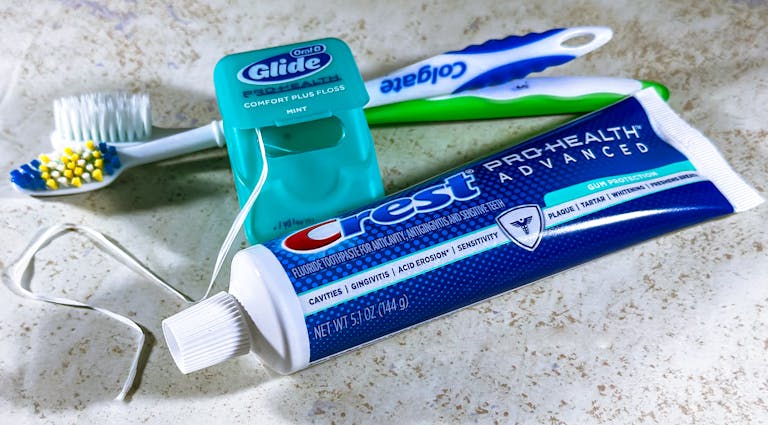

Dry Mouth from Medications: How to Lower Cavity Risk
Dry mouth can raise cavity risk. Learn practical prevention steps, when fluoride helps, and what to ask before changing any prescription.
Frequent snacking, sipping, and bedtime sugar can raise cavity risk even when portions are small. This guide shows how to set snack windows, choose water between meals, use fluoride toothpaste, and treat checkups as backup protection.
Toothpaste labels can be confusing. This practical guide explains which active ingredients to look for if your main goal is cavity prevention, sensitivity relief, or help with early gum irritation, plus when symptoms mean it is time for a dental exam.
If your mouth feels dry often, your cavity risk may be higher than you think. Learn why saliva matters, which fluoride options have the strongest support, and when to ask a dentist, physician, or pharmacist to review dry mouth symptoms and medications.
For most Ontario children, cavity prevention works best in layers. The foundation is brushing twice a day with the right amount of fluoridated toothpaste for age. Community water fluoridation, an early first dental visit, risk-based fluoride varnish, and sealants for permanent molars can all add protection when used thoughtfully.
A practical, evidence-based guide for Hamilton families on when to start fluoride toothpaste, how much to use at each age, and how to balance strong cavity prevention with a low risk of fluorosis.
End of content
End of content