Quick Everyday Dental Care Tips for Busy Downtown Hamilton Workers
Quick Everyday Dental Care Tips for Busy Downtown Hamilton Workers
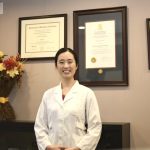
I am Dr. Cindy Li, and I enjoy helping Hamilton families feel confident about their dental health. I practice at Excel Dental, 49 East Avenue South, Hamilton, ON L8N 2T5, and I know how a full downtown schedule can make oral care feel like one more thing on the to-do list. Here are practical, evidence-based tips I share with my patients to keep smiles healthy even on the busiest days.
Morning Routine
Start with two minutes of focused brushing using a soft-bristled brush and a fluoride toothpaste. I tell patients that a calm two-minute routine sets the tone for the day and removes the buildup that accumulates overnight. Holding your brush at a 45-degree angle and using gentle circular strokes protects enamel and gums.
If you have sensitivity, try a toothpaste formulated for sensitive teeth and avoid aggressive scrubbing. I also recommend rinsing your mouth with water after coffee instead of brushing immediately, since enamel softened by acids can be more vulnerable to abrasion.
While at Work
Keep a small dental kit at the office: a travel toothbrush or single-use brushes, fluoride toothpaste, floss or interdental picks, and a bottle of water. In my experience, patients who prepare a compact kit are far more likely to maintain good habits during long workdays.
If you can’t brush after lunch, chew sugar-free gum with xylitol for 10 to 20 minutes to stimulate saliva and reduce acid. I advise avoiding frequent snacking on sugary or sticky foods; grazing creates repeated acid attacks that increase decay risk.
Lunch Break Care
If you have a true lunch break, use five minutes to brush or at least swish vigorously with water. I often encourage people to step outside for a brief walk after meals—this not only helps digestion but also gives time for saliva to neutralize acids.
For crowded restaurants or quick bites, choose options that are less likely to stick to teeth, such as lean proteins, raw vegetables, or cheese, which can help buffer acids. If you enjoy a midday coffee, try drinking it with water afterward to reduce staining and acidity.
Evening and Nighttime Routine
Nighttime is the most important time to remove plaque before bed. I recommend brushing for two minutes, flossing thoroughly, and cleaning your tongue. Saliva flow decreases during sleep, so the bacteria you remove before bed matters.
If you grind your teeth at night, ask me about a custom night guard. I’ve fitted many downtown professionals with guards that protect enamel and reduce jaw pain. Also, limit acidic drinks in the evening and avoid heavy snacking close to bedtime.
Weekly and Monthly Habits
Once a week, use an interdental brush for larger spaces between teeth or around bridges and implants. In the clinic I see that many people skip these tools, yet they make a big difference in preventing gum inflammation.
Schedule dental checkups and cleanings at intervals that suit your oral health needs, typically every six months. If you’re prone to decay or gum disease, I may recommend more frequent visits. Keep an eye on changes such as bleeding, sensitivity, or persistent bad breath and contact your dentist sooner if they appear.
How often should I see the dentist?
I recommend a checkup at least every six months for most patients. If you have gum disease, frequent cavities, or specific health concerns, I’ll suggest a schedule tailored to your needs.
Can I brush right after drinking coffee?
I suggest waiting about 30 minutes before brushing after coffee. Coffee is acidic and waiting helps saliva re-harden enamel so brushing is gentler and safer.
What toothpaste should I use?
Choose a fluoride toothpaste. If you have sensitivity, use a desensitizing formula. I can recommend a specific brand based on your needs during your visit.
Is flossing really necessary?
Yes. Flossing removes plaque between teeth where brushes can’t reach. In my practice, regular flossers consistently have healthier gums.
What’s the best option for a quick clean at work?
A travel toothbrush and toothpaste, or sugar-free xylitol gum if brushing isn’t possible. Interdental picks are also handy for food stuck between teeth.
Can mouthwash replace brushing?
Mouthwash can be a helpful adjunct but not a replacement. Brushing and flossing physically remove plaque, while mouthwash offers extra protection or freshening.
What should I do for sudden tooth pain?
Call your dentist promptly. In the meantime, rinse with warm salt water, avoid very hot or cold foods, and use over-the-counter pain relief as directed. If swelling or fever is present, seek urgent care.
Are whitening products safe for busy professionals?
Many over-the-counter and professional whitening options are safe when used as directed. I advise a consult first to check for sensitivity or issues that need attention before whitening.
How can I reduce staining from coffee and red wine?
Rinse with water after drinking, use a straw when possible, and maintain regular cleanings. Occasional professional polishing can also help.
Do I need a mouthguard for sports?
Yes, for contact sports I recommend a custom-fitted mouthguard. It’s the best protection for teeth and jaws.
Is tobacco use bad for my oral health?
Tobacco significantly raises the risk of gum disease, tooth staining, and oral cancer. Quitting is one of the best things you can do for oral and overall health.
What if I have bleeding gums when I floss?
Mild bleeding can indicate inflammation. Keep flossing gently daily and book an appointment so I can assess your gum health and recommend treatment.
Can I prevent cavities without reducing coffee or sweets entirely?
You can lower risk by improving oral hygiene, using fluoride, chewing sugar-free gum after meals, and spacing sugary snacks. I work with patients to create realistic habits that fit busy lives.
Are electric toothbrushes worth it?
Yes, many patients find electric brushes make it easier to achieve consistent two-minute brushing and can be more effective at removing plaque.
More Information
For reliable, local guidance I recommend resources such as the Ontario Dental Association (oda.ca) for patient-facing tips and the Royal College of Dental Surgeons of Ontario linked through ontario.ca for regulatory and oral health information. The Canadian Dental Association (cda-adc.ca) also offers patient resources on preventive care and treatment options; I point patients to these sites for evidence-based reading between visits.
If you’d like personalized advice or need an appointment, call Excel Dental at 905-529-2164 — I’m happy to help you keep your smile healthy in the midst of a busy downtown routine.