Cosmetic smile enhancements near Corktown Hamilton for confident teeth
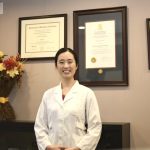
I am Dr. Cindy Li, and I enjoy helping Hamilton families feel confident when they smile. At Excel Dental on East Avenue South, I focus on modern cosmetic treatments that look natural, feel comfortable, and fit the everyday lives of people who live and work around Corktown and downtown Hamilton.
What cosmetic smile enhancement really means
Cosmetic dentistry is often misunderstood as something “extra” or just for special occasions. In my experience, it is really about restoring harmony, balance, and health so your teeth, gums, and bite work well and look good at the same time. Even subtle improvements can change how you feel about yourself in social and professional situations.
When I assess a smile, I look at teeth colour, shape, length, and alignment, but also at lip position, gum health, and how everything functions when you chew and speak. Cosmetic care should never sacrifice strength or long-term health for a “quick fix.” My goal is to improve how your smile looks while keeping your teeth strong for many years.
Some patients come in asking for a “Hollywood smile,” but many prefer a natural, age-appropriate result. I spend time listening first so we can decide together what “beautiful” means for you rather than following a one-size-fits-all template.
Common smile concerns I see near Corktown
Living and working close to the hospital district and downtown, many of my patients are busy professionals, students, and families who share similar concerns. The most common ones I hear are darkened teeth from coffee, tea, or red wine, chips on front teeth from everyday wear, and older fillings that show when they smile.
I also see many patients who are self-conscious about uneven spacing, slightly twisted front teeth, or worn edges that make teeth look shorter than they used to. Even if the teeth are healthy, these small issues can make people hide their smiles in photos or feel reluctant to speak up during meetings.
Another frequent concern is older dental work that no longer blends in. Thick, opaque crowns or discoloured bonding from years ago can stand out in photos and lighting. Updating these restorations with newer materials often makes a dramatic difference without needing to treat every tooth.
Finally, some people feel their gums show too much when they smile or that the gum line is uneven. In these cases, careful gum contouring or a combination of orthodontic-like tooth movement and cosmetic reshaping can create a more balanced, relaxed appearance.
Treatment options for a brighter, more even smile
When someone asks how to brighten their smile, I usually start with a discussion of whitening. At Excel Dental, I provide supervised whitening with professional-strength products that are safer and more predictable than over-the-counter options. We can often lighten natural enamel by several shades while monitoring sensitivity and results closely.
For chips, small gaps, and minor shape issues, I often recommend composite bonding. This involves adding a tooth-coloured resin directly to the tooth, then shaping and polishing it so it blends seamlessly. Bonding is usually a conservative option, which means I remove very little or no healthy tooth structure.
When teeth are more significantly discoloured, uneven, or worn, porcelain veneers or crowns may be better choices. These restorations are custom-made in a dental laboratory to match your face, skin tone, and bite. I pay close attention to the fine details, such as translucency and surface texture, so they look like natural teeth, not dental work.
For patients who want to straighten their teeth discreetly, clear aligner therapy is often a good solution. With clear aligners, we gently guide teeth into better positions over time using a series of removable trays. This can improve both the appearance and function of your bite while staying quite inconspicuous during everyday life.
How I design a personalized smile plan
Every cosmetic case at my office starts with a thorough examination and a conversation. I begin with digital X-rays when needed, photographs, and a detailed look at your bite, gums, and existing restorations. I also ask what you specifically like and dislike about your smile. Sometimes patients only want one small change; other times we design a more comprehensive plan.
Digital photos and shade guides allow us to plan colour and shape with more precision. For larger cases, I may create a “mock-up” directly on your teeth or on a model so you can preview the proposed changes before we commit. Patients often find this step reassuring because they can see and feel a sample of the result.
I always consider function first. If a tooth is in a heavy bite zone or you grind your teeth at night, we plan materials and thickness accordingly and may recommend a nightguard to protect your investment. Cosmetic work that ignores function tends to fail earlier, and I want your results to last.
Budget and timing are also part of the conversation. I often phase treatment so the most urgent or most noticeable concerns are treated first. This helps spread out costs and appointments while still giving you positive, visible changes early in the process.
What to expect during cosmetic dental visits
On your first cosmetic visit, we will talk through your goals and review your oral health. I take the time to explain each option, including what is involved, how long it takes, and what maintenance looks like afterward. You should leave that appointment with a clear understanding of what is possible and what I recommend.
Most cosmetic procedures are comfortable and require only local anesthesia if any at all. For whitening, impressions or digital scans are taken for custom trays, or we perform an in-office session depending on the method you choose. For bonding or veneers, I carefully shape and prepare the teeth, then place and adjust the material for a precise fit and appearance.
Throughout treatment, I encourage questions. I show you progress in a mirror and in photos so you can give feedback about shade and shape in real time. If something needs adjusting, I prefer to do it early instead of rushing through the process.
After we complete your smile enhancements, we review a customized maintenance plan. This usually includes advice on home care, foods and drinks that stain, and any protective devices such as nightguards if you clench or grind. Regular checkups are important so I can monitor your restorations and make small adjustments before they become bigger issues.
Keeping your new smile healthy and bright
Cosmetic work should always be supported by excellent oral hygiene. I recommend brushing at least twice daily with a soft-bristled brush and fluoride toothpaste, plus daily flossing or the use of interdental cleaners. This protects both your natural teeth and any restorations from decay and gum disease.
To keep your smile bright, it helps to limit frequent sipping of dark beverages such as coffee, tea, cola, and red wine. If you do enjoy them, rinsing with water afterward can reduce staining. I also remind patients that smoking or vaping can quickly discolor teeth and restorations, and quitting has benefits far beyond a brighter smile.
If you have had whitening, I sometimes suggest touch-up treatments using your custom trays at home. This allows you to maintain your preferred shade over time with less effort. For veneers, crowns, or bonding, routine polishing during your hygiene visits helps keep surfaces smooth and stain-resistant.
Finally, protecting your teeth from excessive forces is essential. If you play contact sports, a custom sports mouthguard is important. If you clench or grind, a nightguard can significantly reduce wear and help your cosmetic work last longer.
Who is a good candidate for cosmetic smile enhancements?
In my practice, the best candidates for cosmetic treatments are people with generally healthy teeth and gums who want to improve the appearance of their smile. Before starting any cosmetic procedure, I always check for cavities, gum disease, or bite problems that might need attention first. Addressing these issues creates a stable foundation and helps ensure long-lasting results.
Age is less important than overall oral health. I see young adults who want to fix a chipped tooth before job interviews and older adults seeking to refresh a smile that has changed with time. Often, a conservative combination of whitening, minor bonding, and replacing old restorations is enough to create a noticeable improvement without aggressive treatment.
Some medical conditions and medications can affect healing, gum health, or saliva flow. I review your medical history carefully and may coordinate with your physician if needed. The goal is always to choose procedures that are both safe and appropriate given your overall health.
Personality and expectations matter too. Cosmetic care is a partnership. Patients who are open about their goals and willing to maintain good home care usually enjoy the most satisfying, long-term results.
Frequently asked questions about cosmetic dentistry in Hamilton
Is cosmetic dentistry only about looks, or does it help with function too?
In my practice, cosmetic and functional dentistry overlap a great deal. When I restore a chipped, worn, or misaligned tooth, I consider how it fits in your bite and how it will handle chewing forces. A well-designed cosmetic restoration should help you chew comfortably and protect your teeth, not just improve appearances.
How long does professional whitening usually last?
Most patients enjoy noticeably whiter teeth for 1 to 3 years, depending on their habits. If you drink a lot of coffee, tea, or red wine, or if you smoke, you may see staining return more quickly. With custom trays, I can provide touch-up gel for occasional use at home to keep the results looking fresh.
Will veneers or bonding look fake or too bright?
I spend a lot of time selecting shades and shapes that suit your skin tone, lips, and facial features. My goal is a natural, harmonious look, not a one-colour, opaque result. I often show you shade samples and photos, and we can adjust if something appears too bright or too uniform.
Is cosmetic treatment painful?
Most cosmetic procedures are quite comfortable. Whitening can cause temporary sensitivity, which we manage with desensitizing products and careful timing. For veneers, crowns, and some bonding, I use local anesthesia so you feel pressure and vibration but not pain. After treatment, any soreness is usually mild and short-lived.
How much do cosmetic treatments cost, and does insurance help?
Costs vary widely depending on the type and number of procedures. Simple bonding on one tooth is less expensive than a full set of veneers or combined treatments. Many dental benefit plans consider cosmetic work “elective” and offer limited coverage, but they may help with portions of restorations that also restore function. My team is happy to review your plan and provide written estimates so you can make informed decisions.
Can I do whitening if I have fillings or crowns on my front teeth?
You can still whiten, but it is important to understand that whitening gels only brighten natural enamel, not fillings or crowns. That means existing restorations may look darker afterward. If this happens, we can replace visible fillings or crowns to match your new shade. I always review this with you before we begin.
How long do veneers and bonding typically last?
With good home care and regular dental visits, porcelain veneers often last 10 to 15 years or more. Composite bonding usually has a shorter lifespan, often 5 to 8 years, because the material is more prone to staining and chipping. Avoiding nail-biting, opening packages with your teeth, and chewing on hard objects like ice can significantly extend the life of your restorations.
What if I only want to fix one or two teeth, not my whole smile?
That is very common. Many of my patients focus on one chipped front tooth, a dark tooth, or a couple of uneven edges. We can often blend treatment so well that it matches the rest of your natural teeth without needing to treat every tooth you show when you smile.
Can clear aligners really make a big difference for adults?
For many adults with mild to moderate crowding, spacing, or rotation, clear aligners can make a noticeable improvement in both function and appearance. I evaluate each case individually, sometimes using photos and digital scans to plan the movements. Treatment time varies, but many adult cases finish within several months to about a year.
Is there an ideal age to start cosmetic improvements?
It depends on the type of treatment. Whitening and minor bonding are often fine for older teens and young adults. More extensive work such as veneers is usually best once growth is complete and the bite is stable. I always discuss timing carefully with younger patients and parents so we choose treatments that make sense long term.
What if I am nervous about dental visits but want to improve my smile?
Dental anxiety is very common, and I take it seriously. My team and I work at a relaxed pace, explain each step, and check in often. Simple things like noise-cancelling headphones or short appointments can help. We can start with the least invasive procedures so you gradually build comfort and trust.
More information
If you would like to read more about dental care in Ontario, the Ontario Dental Association at oda.ca provides reliable patient information on treatments and oral health. The Royal College of Dental Surgeons of Ontario information pages at ontario.ca can help you understand professional standards and patient rights, and the Canadian Dental Association at cda-adc.ca offers additional resources on preventive care, common procedures, and overall oral health for Canadians.
If you live or work near Corktown or anywhere in Hamilton and are thinking about improving your smile, I would be happy to meet you and discuss your options in person. To book a visit at Excel Dental, please call 905-529-2164.