
Education & Care
Myth: Baby teeth aren’t important because they fall out. Fact: Baby teeth hold the place for adult teeth and help with chewing and speaking. Keeping them healthy is crucial.
Myth: You don’t need to visit the dentist if your teeth don’t hurt. Fact: Many dental problems, like cavities and gum disease, can develop without pain until they’re advanced. Regular check-ups are essential.
Myth: Pregnancy causes tooth loss. Fact: With good oral hygiene and regular dental visits, pregnancy doesn’t have to affect your teeth. Hormonal changes can increase the risk of gum disease, so extra care is needed.
Toothpick vs Floss: Which Cleans Better?
Myth: Electric toothbrushes are always better than manual brushes. Fact: Both can be effective if used properly, but electric toothbrushes can be more efficient for people with limited mobility or those who struggle with technique.
Myth: You don’t need to brush your tongue. Fact: Your tongue can harbor bacteria that lead to bad breath and other issues. Brushing or scraping your tongue is an important part of oral hygiene.
-

Excel Dental – Trusted Dentist in Hamilton
Providing Comprehensive and Emergency Dental Care to the Hamilton Community Are you searching for a reliable dentist in Hamilton who offers a full range of dental services? Look no further than Excel Dental. Our team of experienced professionals is dedicated to providing exceptional dental care in a comfortable and welcoming environment. Why Choose Excel Dental…
-
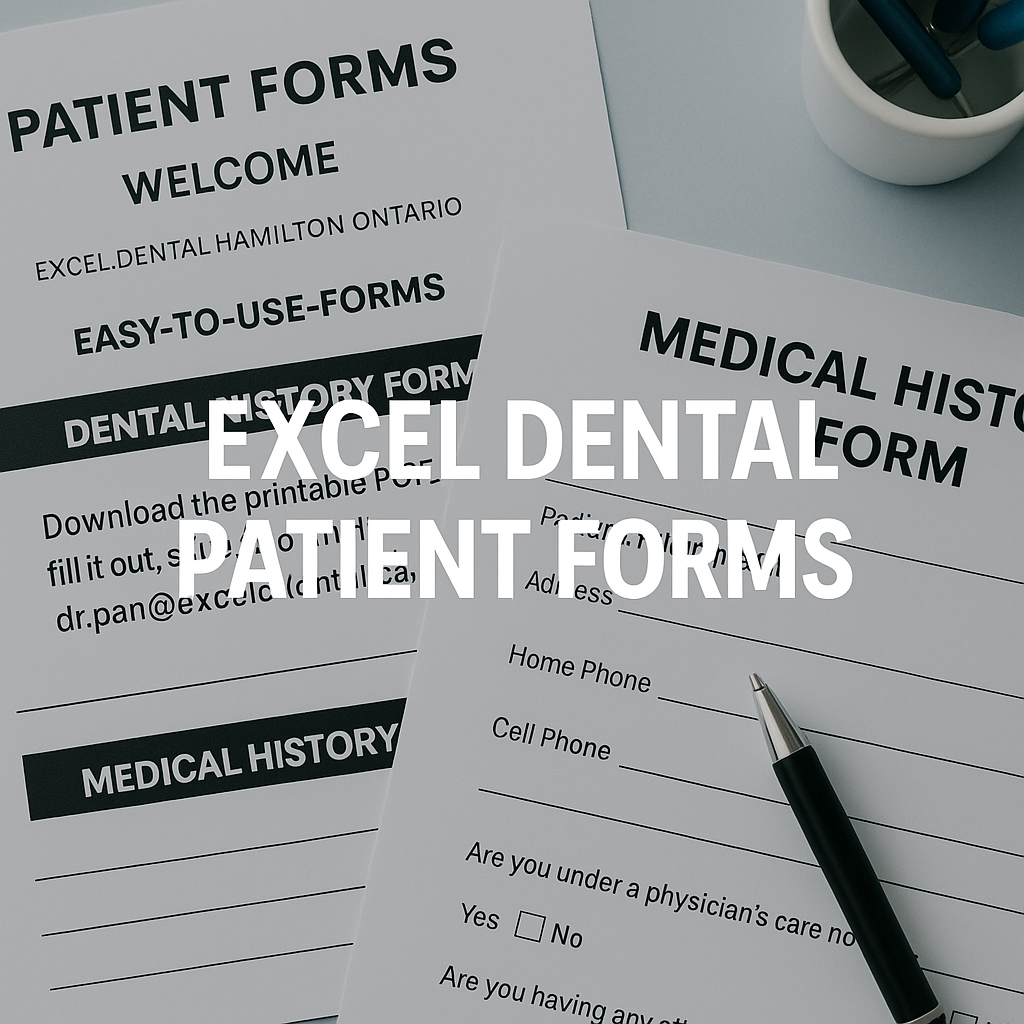
Emergency Dental Appointment in Hamilton: What to Bring With You
A short checklist can make an urgent dental appointment run more smoothly. Here’s what to bring so the dentist can review your situation safely and efficiently.
-
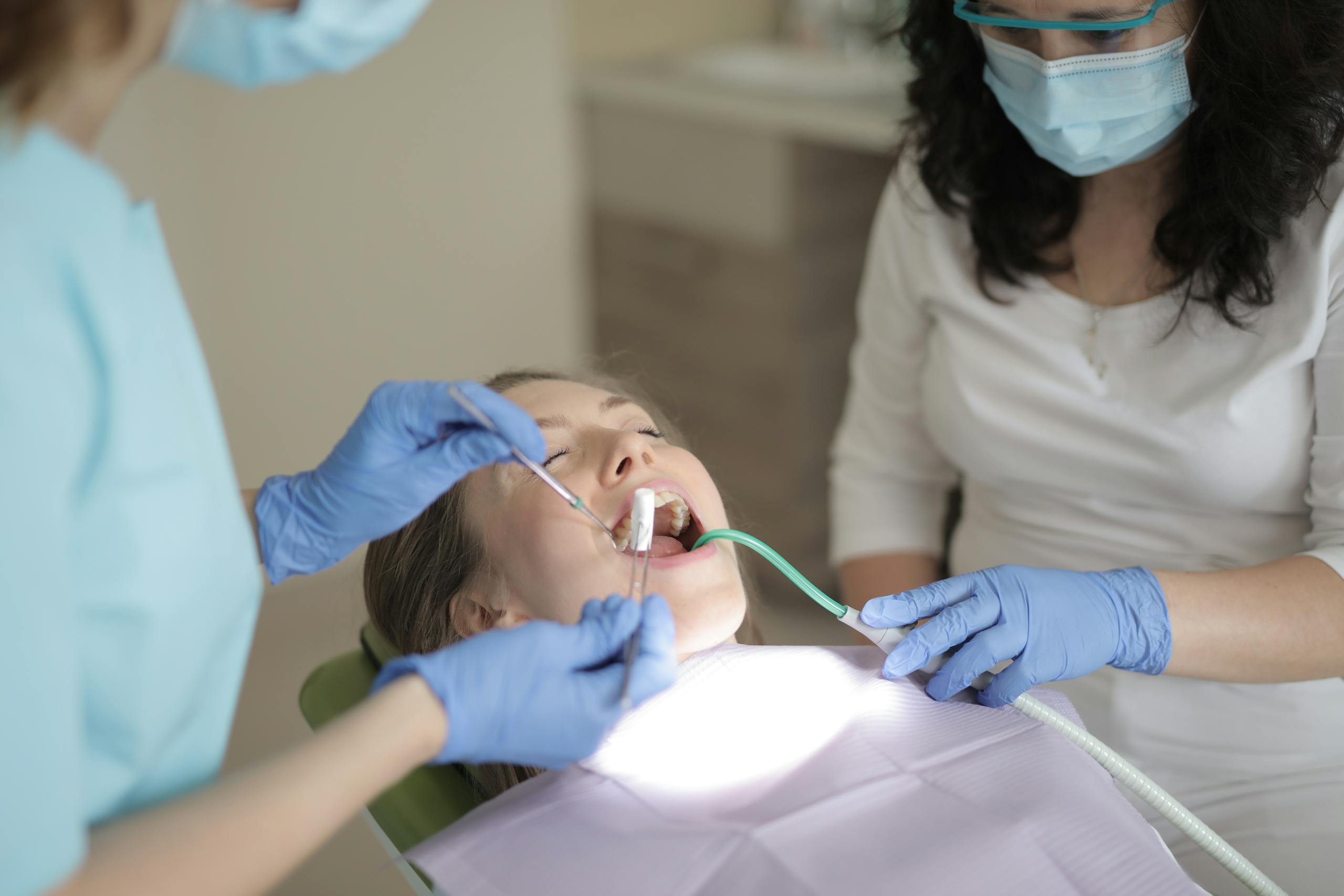
Do family dental checkups have to be every 6 months?
Six months is a common starting point, but family dental checkups should be based on age, oral-health risk, and what the dentist finds.
-

Nitrous Oxide, Oral Sedation, or IV Sedation? What Ontario Patients Should Know Before a Dental Procedure
Nitrous oxide, oral sedation, and IV sedation are not interchangeable. This Ontario guide explains how they differ, who may be a candidate, what safety rules apply, and which coverage questions to ask before treatment.