
Education & Care
Essential Care for Teeth with Fillings and Crowns
Myth: If your teeth look fine, they are healthy. Fact: Many dental problems, like gum disease and decay, can’t be seen in the mirror. Regular exams help catch problems early.
Myth: Once a tooth is treated with a filling or crown, it’s immune to decay. Fact: Teeth with fillings or crowns can still get cavities. Continued care and check-ups are important to prevent further damage.
Myth: Cavities in baby teeth don’t matter because they’ll fall out anyway. Fact: Cavities in baby teeth can lead to infections and pain. They can also affect the development of adult teeth.
Myth: You should avoid brushing bleeding gums. Fact: Bleeding gums are a sign of gum disease. You should brush and floss gently but thoroughly to help reduce the inflammation.
Myth: You only need to floss when food is stuck between your teeth. Fact: Flossing daily removes plaque from areas your toothbrush can’t reach, helping to prevent cavities and gum disease.
-

Excel Dental – Trusted Dentist in Hamilton
Providing Comprehensive and Emergency Dental Care to the Hamilton Community Are you searching for a reliable dentist in Hamilton who offers a full range of dental services? Look no further than Excel Dental. Our team of experienced professionals is dedicated to providing exceptional dental care in a comfortable and welcoming environment. Why Choose Excel Dental…
-
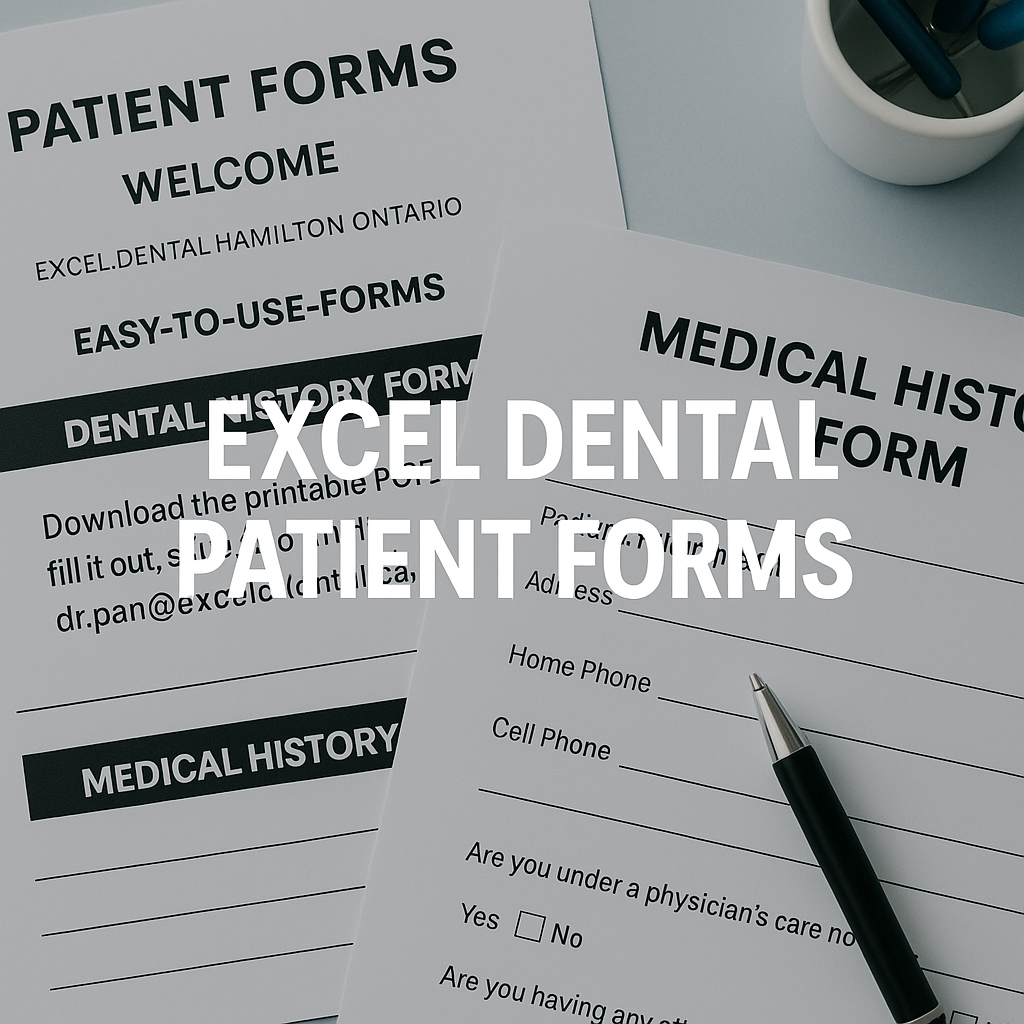
Emergency Dental Appointment in Hamilton: What to Bring With You
A short checklist can make an urgent dental appointment run more smoothly. Here’s what to bring so the dentist can review your situation safely and efficiently.
-
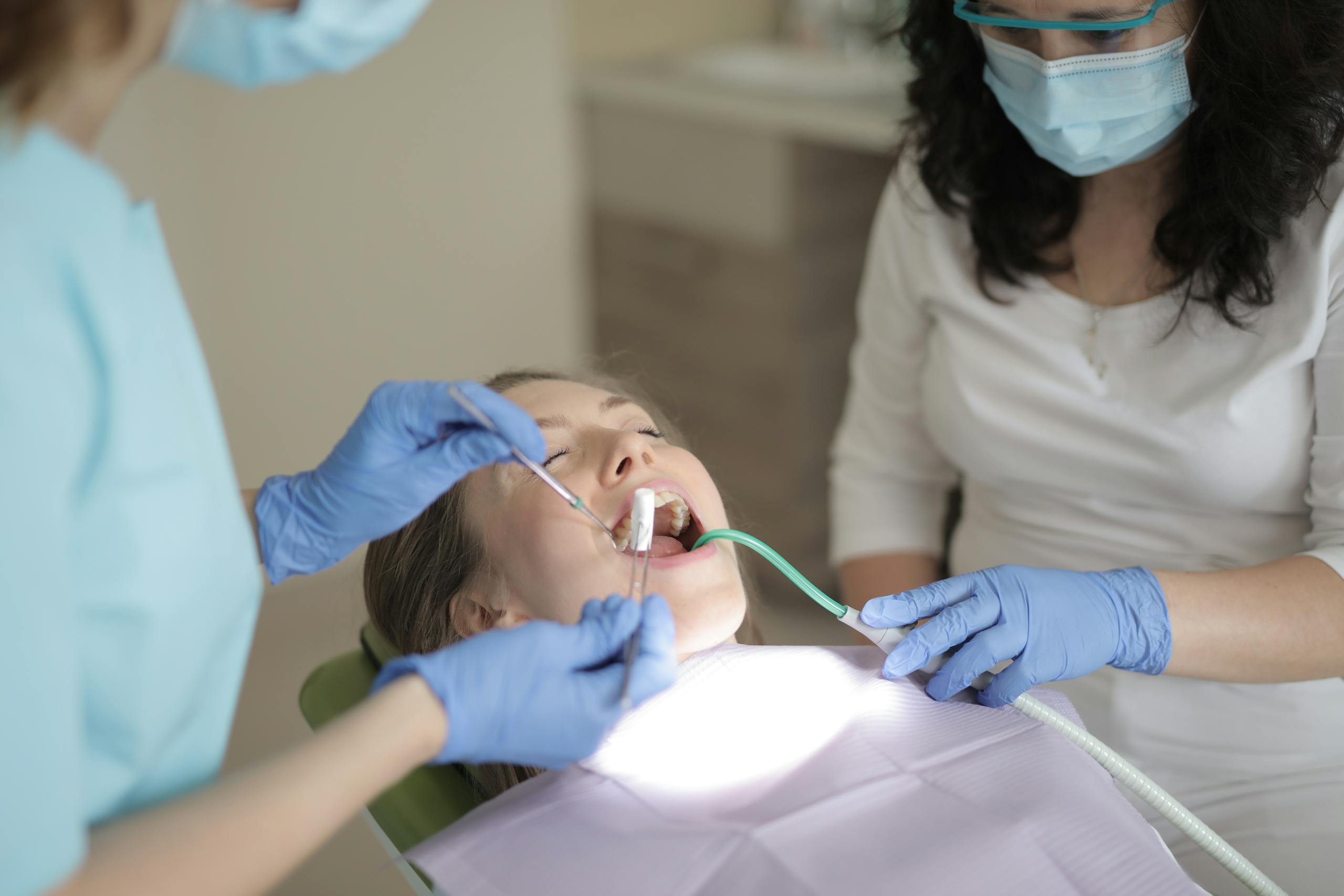
Do family dental checkups have to be every 6 months?
Six months is a common starting point, but family dental checkups should be based on age, oral-health risk, and what the dentist finds.
-

Nitrous Oxide, Oral Sedation, or IV Sedation? What Ontario Patients Should Know Before a Dental Procedure
Nitrous oxide, oral sedation, and IV sedation are not interchangeable. This Ontario guide explains how they differ, who may be a candidate, what safety rules apply, and which coverage questions to ask before treatment.