
How Often Should Busy Adults Book a Dental Checkup?
Busy adults often ask the same question: how often do I really need a dental checkup? The honest answer is that it depends on your oral health history and risk factors, not one calendar rule that fits everyone.
That is also why the evidence does not point to one perfect recall interval for all adults. A six-month visit may be a good fit for some people, but others may need shorter or longer follow-up based on their needs.
Why there is no one-size-fits-all six-month rule
The Canadian Dental Association says continuing dental care should be individualized. In plain language, that means your dentist should look at your gums, your cavity history, your home care, and your medical background before recommending how often you should come back.
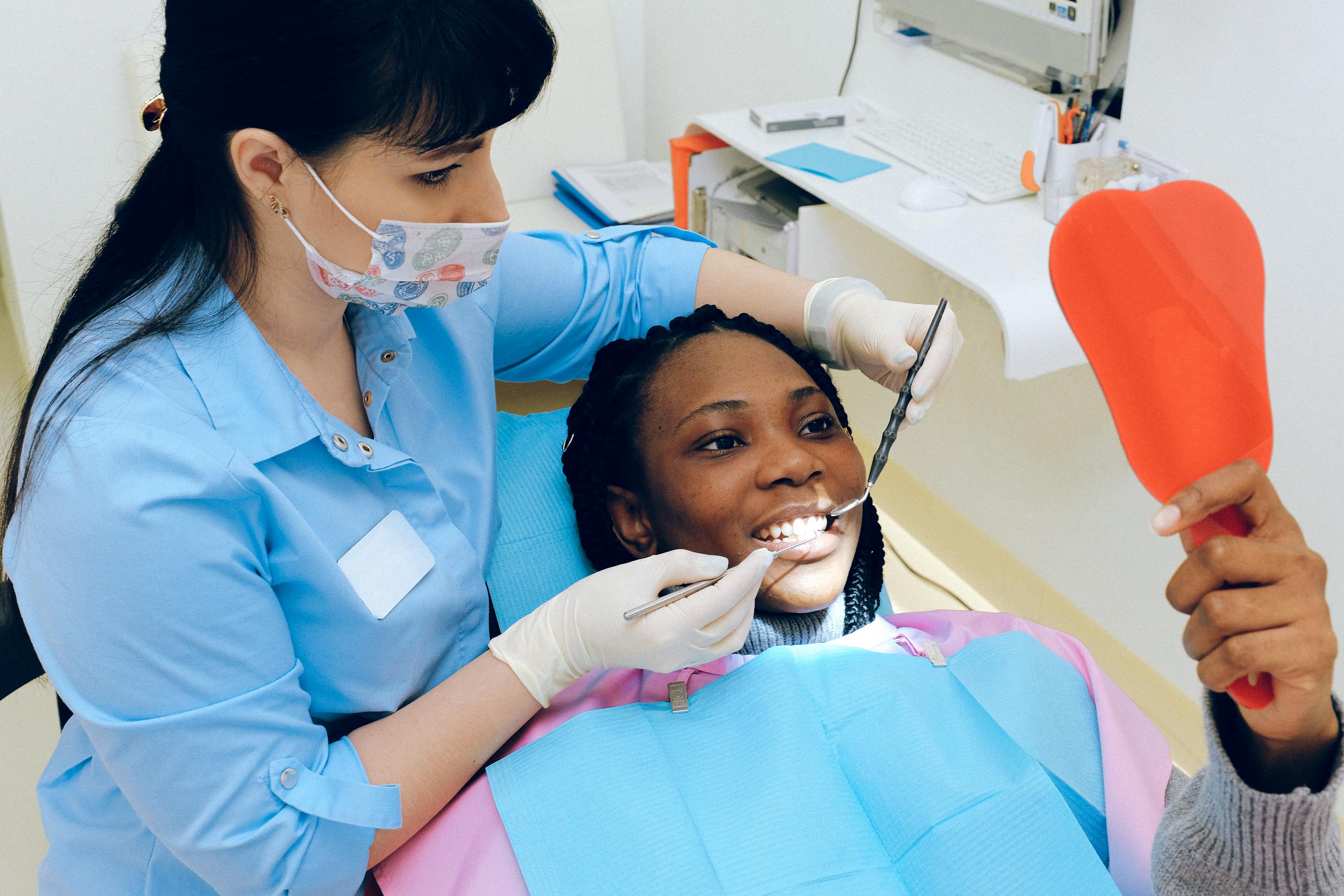
A routine visit for general dentistry is not just about cleaning teeth. It is a chance to check for early changes, talk through risk factors, and set a recall plan that matches your situation.
Why waiting for pain is a poor screening strategy
Early gum disease can be easy to miss. The Government of Canada notes that gum disease can develop slowly and may not be obvious at first. Some people notice bleeding when brushing or flossing, bad breath, or tender gums. Others have very few symptoms until the problem is more advanced.
That is why regular exams matter. They can help spot gum changes early, before they turn into a bigger problem that takes more time to address later. They also support your daily brushing and flossing, but they do not guarantee that cavities or gum disease will never happen.
Common factors that can change recall timing
- Recent cavities or a history of frequent fillings
- Bleeding gums, swelling, or past gum treatment
- Dry mouth
- Smoking or vaping
- Diabetes or other health conditions that can affect gum health
- Crowding, restorations, or appliances that make cleaning harder
These are examples of risk factors, not a diagnosis. The right interval for one person may be very different from the next.
If you only have time for one appointment
Book the preventive visit first. If your schedule is packed, it is usually better to get one checkup on the calendar than to keep postponing care until something hurts. A preventive appointment can help your dentist look for early issues, review your home care, and suggest when your next visit should be.
If you live or work downtown Hamilton, it can help to choose a time you can realistically keep. The key step is still the same: make the preventive appointment you can fit in now, then ask what timing makes sense for next time.
What recall interval do you recommend for me, and why?
Key sources
This article is for general education only and does not replace personalized advice, diagnosis, or treatment from a licensed dentist.