
Clear Aligners vs Braces for Busy Adults in Hamilton
Why busy adults compare these options differently
Adults usually look at orthodontic treatment through a different lens than teens. Work meetings, travel, meals out, family routines, and the ability to keep up with daily care all matter. So the better question is not “Which is the winner?” It is “Which option is realistic for my teeth and my life?”
Recent systematic reviews suggest that clear aligners and fixed braces can both help treat adult orthodontic problems, but they are not interchangeable. The best choice depends on the bite, the tooth movements needed, and how reliably you can follow the routine.
What daily wear looks like
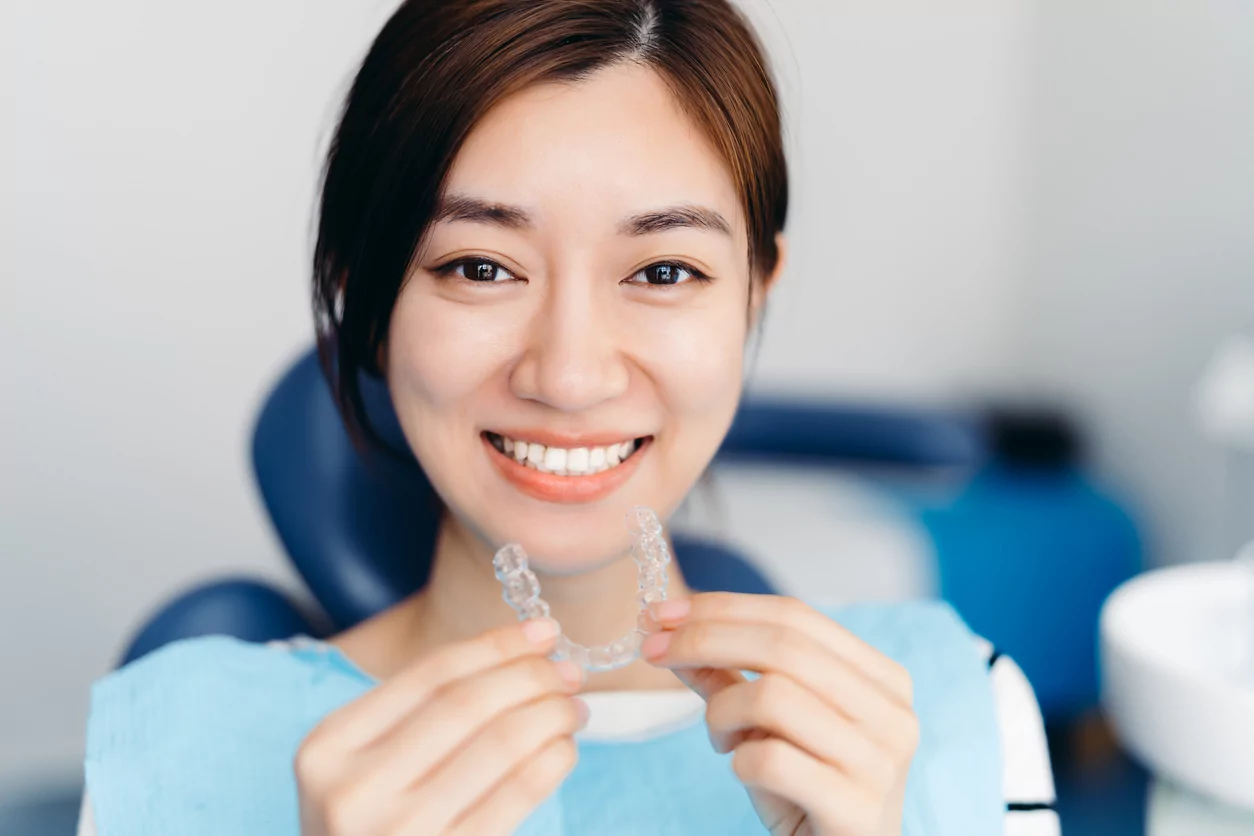
Clear aligners are removable, which many adults like because they can take them out for eating and brushing. The tradeoff is that aligners only work well when they are worn consistently as directed every day. If trays are left out too often, treatment can slow down or become less predictable.
Braces stay on the teeth, so they do not depend on remembering to put them back in after meals. For some busy people, that fixed setup is simpler day to day. For others, the extra cleaning and food restrictions feel like more work.
How each option affects brushing, flossing, and gum health
Removable aligners can make brushing and flossing easier because they come out before you clean your teeth. That said, aligners do not remove the need for good hygiene. You still need to brush, floss, and keep the trays clean.
Braces can make cleaning more demanding because brackets and wires create more places for plaque and food to collect. Reviews comparing aligners and fixed appliances suggest that oral hygiene may be easier to maintain with removable aligners for some people, but gum health still depends on the habits you keep during treatment.
Regular brushing and flossing remain important during orthodontic treatment. If your routine is already inconsistent, that is worth discussing before you start either option.
What people notice in the first few days
Both aligners and braces can feel sore at the start and after adjustments or tray changes. A recent review of adult orthodontics found that short-term pain and quality-of-life differences are generally small and not the same for every patient. In other words, either option can take some getting used to.
Some adults notice more rubbing from braces against the cheeks or lips, while aligners can feel tight when a new tray goes in. These experiences vary, so it is better to expect some discomfort than to assume one option will feel easy from day one.
When case complexity may point toward braces
Clear aligners can handle many adult cases, but not all tooth movements are equally predictable with them. Recent reviews suggest that fixed appliances may offer better control in some situations, especially when teeth need more complex rotation, torque, or extraction-related movement.
That does not mean aligners are a poor choice. It means the bite has to be assessed carefully. The best plan depends on the movement needed, not just on whether the appliances are more discreet.
Busy-adult questions that actually matter
- Can I realistically wear aligners long enough each day for them to work well?
- Will I remember to remove and reinsert them around meals, coffee, and snacks?
- Do I want the simpler day-to-day routine of fixed braces?
- How much cleaning effort am I willing to keep up with?
- Are my tooth movements simple enough for aligners, or do I need the extra control of braces?
- How do meetings, travel, and social plans affect my choice?
If you are comparing aligners and braces in Hamilton, a consultation can help confirm whether clear aligners fit your bite, your hygiene habits, and your schedule. If you want to learn more about clear aligners first, our Invisalign page is a good place to start.
Key sources
This article is for general education only and does not replace personalized advice, diagnosis, or treatment from a licensed dentist.