
CDCP Missing Teeth Coverage: Dentures, Bridges, and Implants
What CDCP may cover for missing teeth
If you are missing one or more teeth, the first CDCP question is usually simple: is the plan for a denture, a bridge, or an implant-related tooth replacement?
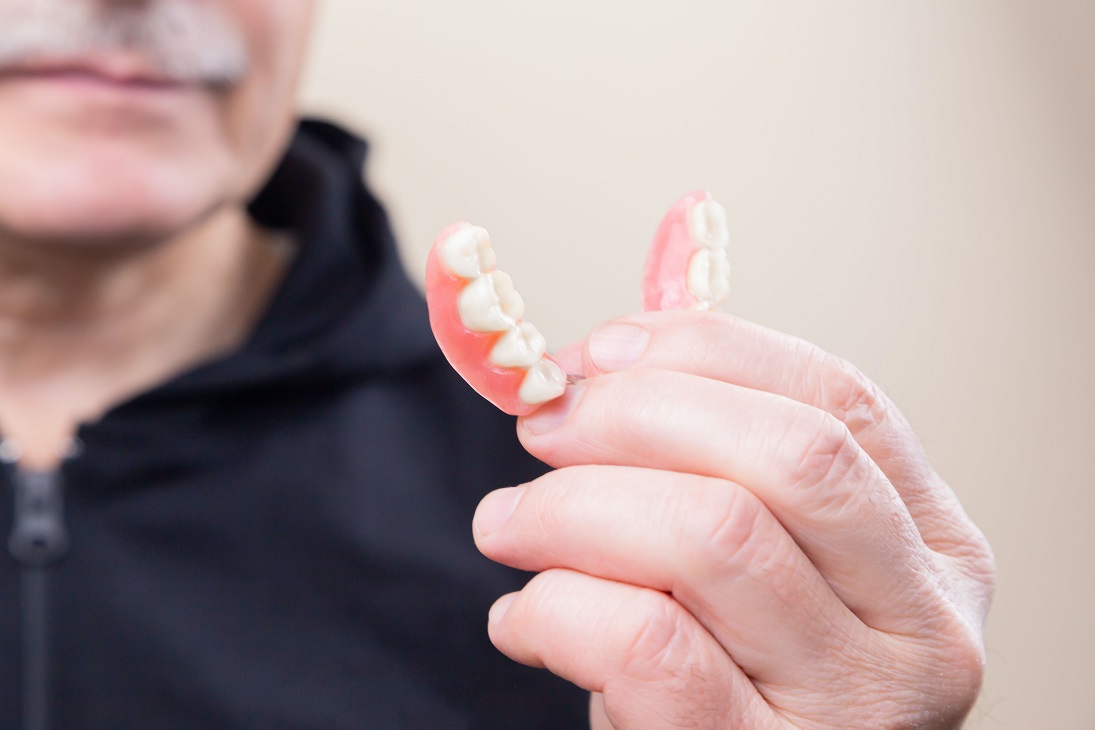
Under current CDCP rules, removable dentures are the main missing-tooth replacement category that may be covered. That can include complete or partial dentures when the rest of the program rules are met. Coverage is not automatic, though. The exact service, timing, and frequency rules still matter.
To qualify for CDCP, you generally need to be a Canadian resident, have filed your taxes, and not have access to private dental coverage or another equivalent dental benefit. Family income also affects how much the plan may pay and how much you may still owe.
What CDCP excludes: bridges and implant-related care
CDCP currently does not cover bridges or implant-related procedures. That means implant surgery, the implant restoration, and other implant-linked parts of treatment are not covered under the plan as missing-tooth replacement.
If you are considering implant treatment, it can still be a good functional option for some patients, but it is a different coverage question. For the treatment side of that conversation, see our dental implants page.
Because bridges are excluded, a patient who is missing a tooth may need to compare a removable denture plan with a non-covered bridge or implant plan. The right answer depends on the mouth, the bite, the number of missing teeth, and the goals of treatment.
Why preauthorization matters
Some denture-related services need preauthorization before treatment starts. That means the dentist submits the plan for review first. Approval can help clarify what the plan may pay for, but it does not guarantee that every item will be fully covered.
Preauthorization also does not remove the plan’s other limits. Frequency rules, service rules, and patient cost-sharing can still apply. That is why a written treatment estimate is so helpful before you commit to care.
How provider participation and billing can affect your bill
Not every dental office handles CDCP billing the same way. Before treatment, ask whether the office participates in CDCP billing and whether it can submit the claim for you.
Even when a provider participates, patients can still owe money. Common reasons include co-payments, non-covered items, services outside the plan rules, or treatment that is only partially covered. A good estimate should separate what the plan may cover from what you may need to pay yourself.
Questions to ask before you agree to treatment
- Is this plan a denture, a bridge, or an implant-related treatment?
- Does this service need CDCP preauthorization?
- What part of the fee may be covered, and what part may be out of pocket?
- Are there frequency limits or timing rules I should know about?
- Does your office bill CDCP directly?
- Is there a removable option worth discussing if the current plan is not covered?
If a dentist recommends an implant or bridge, it is reasonable to ask whether a removable denture could meet your function, comfort, and budget goals, and what trade-offs come with each option.
A Hamilton next step
If you live in Hamilton and are trying to sort out coverage before you start treatment, bring the estimate and any CDCP information to your dental visit. A review of the proposed plan can help you see which parts are likely to fit CDCP rules and what costs may still remain.
Key sources
This article is for general education only and does not replace personalized advice, diagnosis, or treatment from a licensed dentist.