
Oral Cancer Screening at a Dental Checkup: Why It Matters and What It Can and Cannot Do
What is an oral cancer screening at a dental visit?
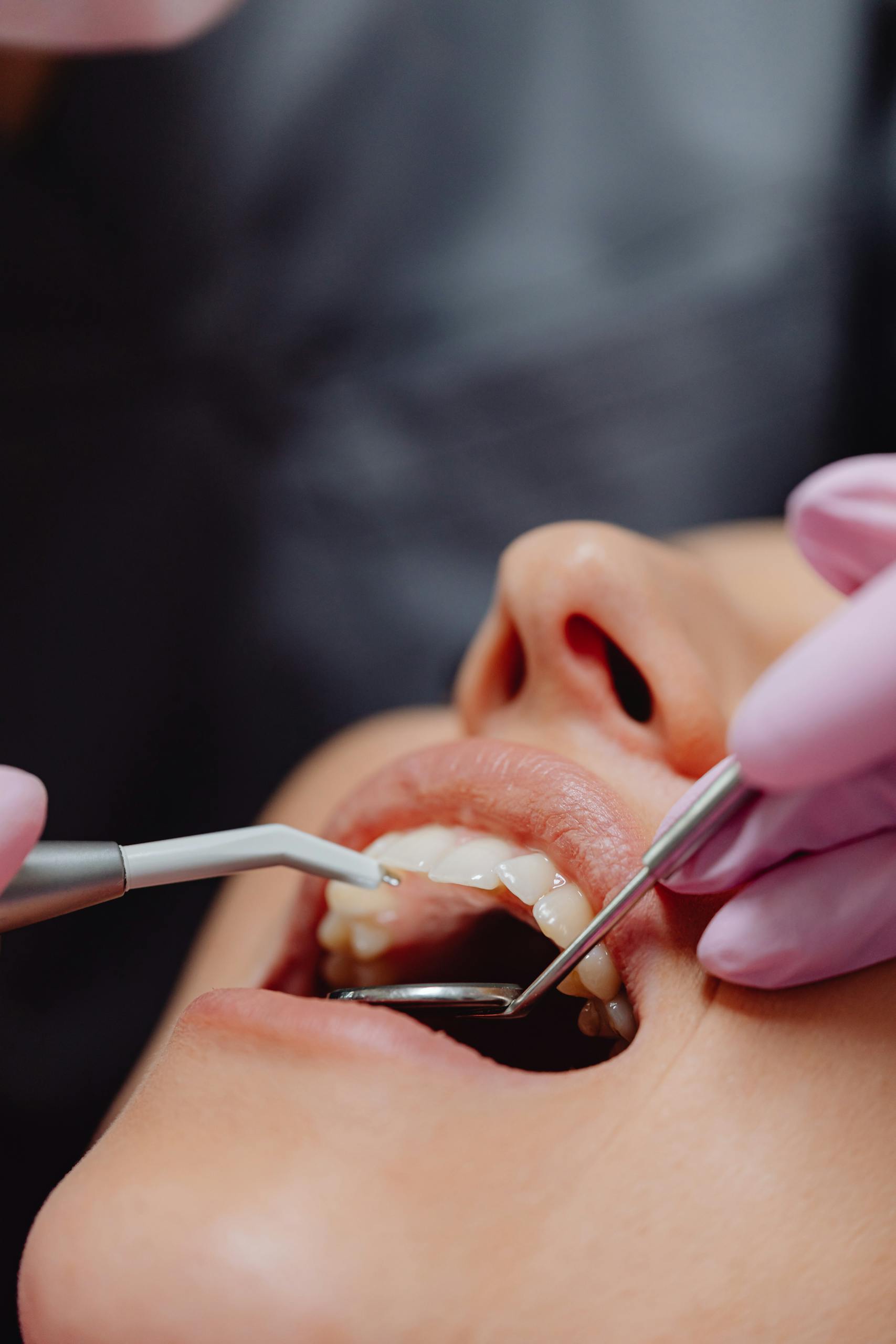
An oral cancer screening is usually a quick, non-invasive part of a regular dental checkup. In most cases, it is not a separate appointment. It is a careful look and feel exam of the mouth and nearby areas to check for changes that may need follow-up.
During a typical screening, a dentist may look at the lips, cheeks, gums, tongue, roof of the mouth, floor of the mouth, and back of the throat area that can be seen during a routine exam. They may also feel parts of the mouth, jaw, and neck for lumps, firmness, tenderness, or other unusual findings. Health Canada describes oral cancer as affecting several parts of the mouth and throat region, which is why the exam is broader than just looking at teeth.
The IARC Handbook on Oral Cancer Prevention describes the standard first step as a conventional clinical oral examination using normal white light and palpation. In plain language, that means looking carefully and feeling the tissues by hand. This remains the main screening approach in routine care.
Why dentists include it in routine care
Oral cancer screening matters because some concerning changes in the mouth can be subtle at first. A person may not notice them, or they may assume a sore spot will go away on its own. Regular dental visits create a practical opportunity to notice changes earlier and decide whether they need monitoring, referral, or biopsy.
Earlier recognition can matter because oral cancer is often easier to manage when it is found before it becomes more advanced. That said, it is important to be accurate about what screening can do. A screening exam does not prevent oral cancer, and it does not guarantee better outcomes for every person. A systematic review of oral cancer screening effectiveness supports careful wording here: the evidence is not uniform enough to claim a broad population benefit for every low-risk adult, but opportunistic screening in practice, especially for higher-risk groups, remains a reasonable and important part of oral health care.
In Canada, routine oral health visits are also part of the prevention message. Health Canada’s National Oral Health Month 2026 statement notes that regular visits to an oral health professional can help reduce the risk of oral cancer and support early intervention.
Who may be at higher risk
Anyone can develop oral cancer, but some people should be especially alert and especially consistent with routine dental care.
Based on Health Canada’s patient guidance, higher-risk groups include:
- adults over age 45, with risk increasing further in older age groups
- people who smoke or use tobacco products
- people with heavy or long-term alcohol use
- people with HPV-related risk, especially for cancers involving the oropharynx
- people with high sun exposure to the lips
- people with a personal or family history of oral cancer
- people with some chronic oral conditions that need monitoring, such as certain forms of oral lichen planus
- people with poorly fitting dentures that cause persistent irritation
Having one or more risk factors does not mean a person will develop cancer. It does mean that unusual mouth changes should be taken seriously, and regular checkups become even more important.
Signs and symptoms that deserve prompt attention
One of the most helpful messages for patients and families is this: if a change in your mouth lasts about 2 weeks, do not ignore it.
Health Canada advises prompt assessment for symptoms such as:
- red or white patches in the mouth or on the lips or tongue
- a sore or ulcer that does not heal within about 2 weeks
- a lump in the mouth, lip, jaw, or neck
- unexplained bleeding in the mouth
- numbness, tenderness, or pain without a clear reason
- a persistent sore throat, hoarseness, or a feeling that something is stuck in the throat
- trouble chewing, swallowing, speaking, or moving the jaw or tongue
- swelling that makes dentures suddenly fit poorly or feel uncomfortable
Not every sore spot or patch is cancer. Many mouth changes turn out to be irritation, infection, trauma, or other non-cancerous conditions. Still, when a symptom persists, the safest approach is to have it checked rather than wait and see for too long.
What the exam can and cannot tell you
A screening exam can identify an area that looks suspicious or does not fit the pattern of a common, harmless problem. It can also help a dentist decide whether a spot should be rechecked, photographed and monitored, referred to a specialist, or biopsied.
What it cannot do is confirm a diagnosis on the spot. A visual and tactile exam is a screening and assessment step, not a final answer. If an area remains concerning, diagnosis may require further investigation, which can include referral and biopsy.
This distinction matters. A normal-looking visit does not guarantee that cancer is absent, and an abnormal-looking area does not automatically mean cancer is present. The goal of screening is to notice something worth investigating, not to make a final diagnosis in the dental chair.
Where self-checks and adjunctive tools fit in
Many patients ask whether they should check their own mouths at home. Self-checks can be useful for awareness between visits. For example, you may notice a new patch, ulcer, lump, or change in how your dentures fit. Health Canada encourages people to be aware of unusual changes and seek care promptly.
Still, self-checks have limits. A recent systematic review of mouth self-examination methods found that approaches vary and are not standardized enough to replace professional assessment. In practical terms, self-checks can help you notice change, but they are not a substitute for a dentist’s or physician’s exam.
Patients also sometimes hear about special lights, dyes, or other screening devices. These are often described as adjunctive tools. The key word is adjunctive. The IARC Handbook on Oral Cancer Prevention explains that these methods may assist assessment in some settings, but they are not replacements for the standard clinical oral examination. Evidence reviews of adjunctive oral cancer screening tools also support cautious language here. In general practice, these tools should not be marketed as a stand-alone answer, and they do not remove the need for follow-up, referral, or biopsy when a suspicious area is found.
When to book an urgent dental or medical assessment
Book promptly if you notice a mouth sore, patch, lump, bleeding area, hoarseness, or swallowing problem that lasts more than about 2 weeks. You should also seek assessment sooner if symptoms are getting worse, causing pain, interfering with eating or speaking, or are accompanied by a neck lump.
If you already know you have higher-risk factors such as tobacco use, heavy alcohol use, significant sun exposure to the lips, previous oral cancer, or a chronic oral condition that requires monitoring, it makes sense to be even more proactive.
For patients in Hamilton, the practical next step is usually simple: keep regular dental visits, ask for an oral cancer screening if you are concerned, and book promptly for any persistent change rather than waiting for a future recall appointment.
What patients can do between visits
You cannot control every risk factor, but there are meaningful steps that can lower risk and improve the chance of timely assessment.
- keep regular dental checkups
- reduce or stop tobacco use
- reduce heavy alcohol exposure
- use lip sun protection if you spend a lot of time outdoors
- keep dentures well fitted and have them adjusted if they rub or cause sores
- pay attention to mouth changes that last longer than about 2 weeks
- ask whether HPV vaccination is appropriate for you or your family members based on age and medical guidance
These steps are practical, evidence-informed, and focused on prevention and early action.
Questions to ask your dentist at your next visit
- Do you include an oral cancer screening in my routine exam?
- Do any areas in my mouth need monitoring?
- Based on my history, am I in a higher-risk group?
- If I notice a sore or patch at home, how long should I watch it before booking?
- Would my dentures, tobacco use, alcohol use, or sun exposure change how often I should be checked?
- If you find something suspicious, what are the next steps?
For many patients, oral cancer screening is quick, straightforward, and easy to miss because it happens as part of a regular checkup. Even so, it plays an important role. The purpose is not to promise certainty. It is to create a practical chance to spot unusual changes early enough to investigate them properly.
Sources
- Health Canada Oral Cancer
- Health Canada National Oral Health Month 2026
- IARC Oral Cancer Prevention Screening Methods
- Systematic Review of Oral Cancer Screening Effectiveness
- Systematic Review of Adjunctive Oral Cancer Screening Tools
- Systematic Review of Mouth Self-Examination Methods
- Systematic Review of Mouth Self-Examination Methods
- Canadian Cancer Society Survival Statistics for Oral Cancer
This article is for general education only and does not replace personalized advice, diagnosis, or treatment from a licensed dentist.