
What Comprehensive Dentistry Really Means for Your Family’s Oral Health
Looking at the Whole Picture
Comprehensive dentistry is not a single procedure. It is a philosophy of care. It means looking at your teeth, gums, jaw joints, bite, oral tissues, and overall health together instead of in isolation.
For families in Hamilton, this approach matters because dental problems rarely happen alone. A cracked tooth may relate to bite forces or grinding. Bleeding gums may connect to plaque buildup, smoking, diabetes, or inconsistent home care. Comprehensive care focuses on prevention first and then designs treatment that supports long-term health, comfort, and function.
Why Prevention Is the Foundation
Prevention remains the most effective and affordable part of dental care. Public Health Ontario and the Government of Canada both emphasize that regular oral hygiene, fluoride exposure, and routine dental visits reduce the risk of cavities and gum disease.
Fluoride toothpaste and professional fluoride treatments are supported by strong evidence for preventing tooth decay, particularly in children and higher-risk adults. The U.S. Preventive Services Task Force continues to recommend fluoride varnish for young children at risk of cavities, and similar preventive approaches are widely adopted in Canada.
Prevention also includes:
- Personalized home care instructions
- Professional cleanings based on individual risk
- Diet discussions focused on cavity prevention
- Sealants for children and teens when appropriate
- Early detection through exams and diagnostic imaging
In comprehensive dentistry, we adjust prevention plans based on your risk factors. Not everyone needs the same schedule or the same interventions.
Gum Health and Whole Body Health
Gum disease is common. Statistics Canada and global data from the World Health Organization show that periodontal disease affects a large portion of adults worldwide.
Research published in journals such as the Journal of Clinical Periodontology suggests associations between gum disease and systemic conditions like diabetes and cardiovascular disease. However, it is important to be clear: while associations are well documented, proving direct cause and effect is complex. The relationship is often bidirectional. For example, diabetes can worsen gum health, and severe gum disease can make blood sugar control more difficult.
Comprehensive care includes periodontal screening, measuring gum pocket depths, monitoring bone levels, and creating individualized treatment plans that may involve:
- Deep cleaning when needed
- Maintenance visits at customized intervals
- Smoking cessation discussions
- Coordination with your physician when medically appropriate
Restoring Function, Not Just Filling Holes
When teeth are damaged, treatment decisions should consider long-term strength and bite balance, not just short-term repair.
Comprehensive restorative options may include:
- Tooth-coloured fillings
- Crowns to protect weakened teeth
- Root canal therapy to save infected teeth
- Dental implants or bridges for missing teeth
Choosing Wisely Canada encourages dentists and patients to avoid unnecessary treatment and to focus on evidence-informed decision-making. That means we discuss risks, benefits, alternatives, and expected longevity of each option.
For example, a small cavity may be monitored or treated conservatively. A cracked tooth with deep structural compromise may require more extensive protection. The right choice depends on examination findings, symptoms, and your goals.
Bite, Jaw, and Comfort
Comprehensive dentistry also looks at how your teeth come together. Grinding, clenching, and bite imbalance can contribute to tooth wear, fractures, jaw discomfort, and headaches.
Management may involve:
- Night guards for bruxism
- Selective adjustments when appropriate
- Orthodontic evaluation
- Monitoring jaw joint symptoms
Not every clicking jaw needs treatment. Evidence suggests many temporomandibular joint symptoms improve with conservative measures. Care should be individualized and conservative first.
Oral Cancer Screening
Routine dental visits also include screening for oral cancer. The National Cancer Institute notes that early detection improves outcomes. Screening involves visual and tactile examination of the lips, tongue, cheeks, floor of mouth, and throat.
Risk factors include tobacco use, heavy alcohol use, and HPV exposure. Screening is quick, non-invasive, and part of comprehensive care.
Care Across Life Stages
Comprehensive dentistry adapts to each stage of life.
- Children: Focus on cavity prevention, growth monitoring, sealants, and habit counseling.
- Teens: Orthodontic evaluation, sports protection, wisdom tooth monitoring.
- Adults: Gum health, restorative stability, bite evaluation.
- Seniors: Root cavity prevention, dry mouth management, implant or denture maintenance.
In Ontario, programs such as Healthy Smiles Ontario and the Ontario Seniors Dental Care Program help eligible families access preventive and basic dental services. The Canadian Dental Care Plan has also expanded access for qualifying individuals across the country. Understanding available resources is part of patient-centered comprehensive care.
Technology and Evidence
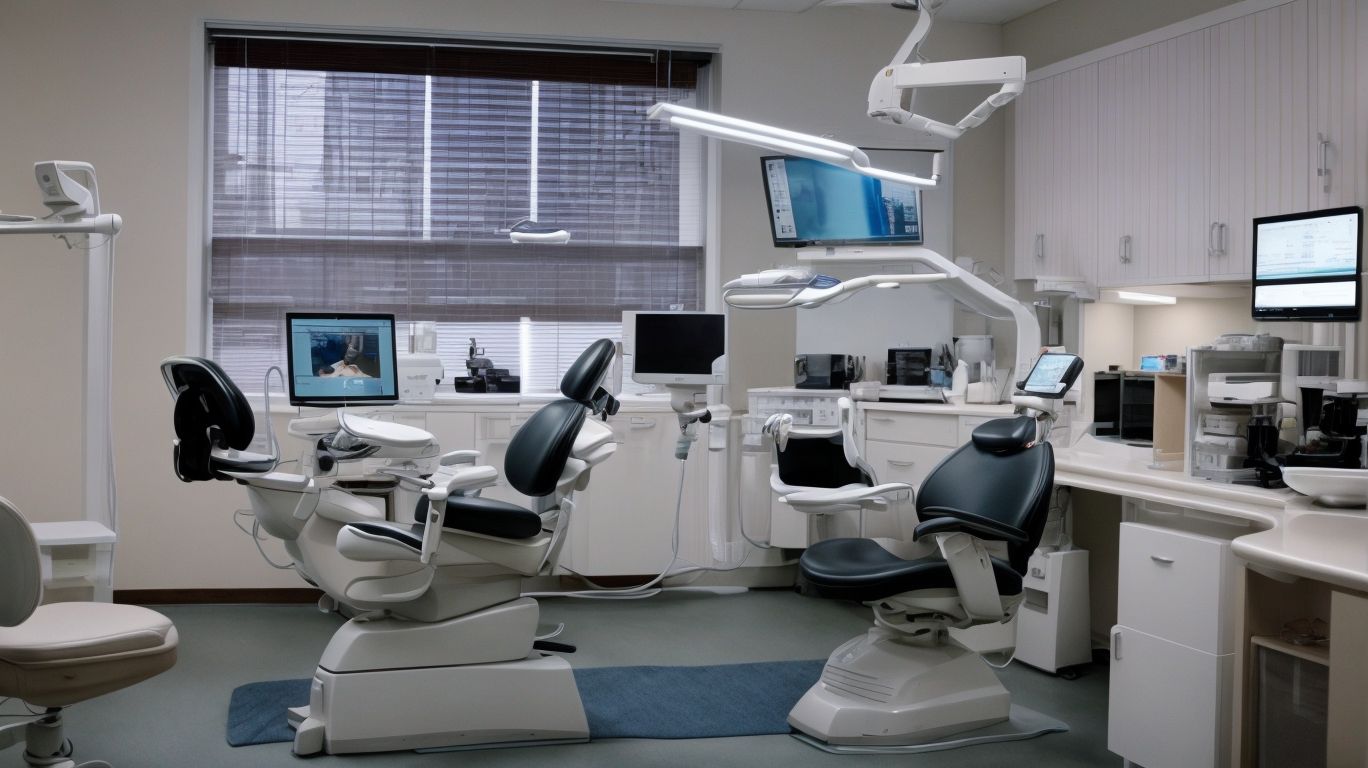
Digital X-rays, intraoral scanners, and 3D imaging can improve diagnostic accuracy. However, technology should support clinical judgment, not replace it.
Regulatory guidance from the Royal College of Dental Surgeons of Ontario emphasizes informed consent, appropriate use of diagnostic tools, and patient safety. Comprehensive dentistry balances modern tools with careful examination and thoughtful planning.
What Patients Should Ask
If you want a comprehensive approach, consider asking your dentist:
- What is my current risk for cavities or gum disease?
- How does my bite affect my teeth long term?
- What are the alternatives to this treatment?
- What happens if we monitor instead of treat right now?
- How can I improve my home care routine?
Good dentistry is collaborative. You deserve to understand your options clearly.
Comprehensive Dentistry in Hamilton
As a dentist practicing in Hamilton, my goal is to help families make informed decisions that support health, comfort, and aesthetics over time. That means prevention first, conservative care when appropriate, and carefully planned restorative treatment when needed.
Comprehensive dentistry is not about doing more. It is about doing what is necessary, at the right time, for the right reasons.
This article is for general education only and does not replace personalized advice, diagnosis, or treatment from a licensed dentist.
Sources
- Public Health Ontario Oral Health
- Government of Canada Oral Health
- Statistics Canada Canadian Oral Health Survey
- Journal of Clinical Periodontology
- Choosing Wisely Canada Dentistry
- Royal College of Dental Surgeons of Ontario Standards and Guidance
- National Cancer Institute Lip and Oral Cavity Cancer Treatment PDQ
This article is for general education only and does not replace personalized advice, diagnosis, or treatment from a licensed dentist.