Student focused dental care near Ainslie Wood Hamilton for busy college life
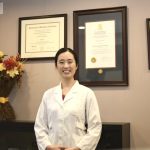
I am Dr. Cindy Li, and I enjoy helping Hamilton students balance healthy smiles with busy college schedules. At Excel Dental on East Avenue South, I see every day how midterms, part-time jobs, and commuting can push dental visits to the bottom of the list, so I’ve shaped my approach around care that fits real student life near Ainslie Wood and across the city.
Why student-focused care matters in a busy college schedule
When you are juggling classes, labs, and exams, small dental issues can quietly grow into big problems. I often meet students who delayed a simple cleaning and later found themselves needing a root canal or emergency visit. Student-focused care means I look at how your timetable, budget, and stress levels affect your teeth and gums, not just what shows up on the X-ray.
I know many students move away from home for the first time and suddenly no one is reminding them to book cleanings. Sleep schedules change, meals become more irregular, and energy drinks and coffee show up more often. In my practice, I ask about your daily routines, not to judge, but to find realistic ways to protect your oral health in the middle of all that change.
Your college years are also a time when confidence matters. Whether you are going to interviews, co-op placements, or social events, feeling comfortable with your smile can make a real difference. My goal is to help you avoid painful surprises while supporting that confidence in a way that respects your time and your budget.
Convenient location and access for Ainslie Wood and west Hamilton students
Although my office is downtown at 49 East Avenue South, I see many students from McMaster University and the Ainslie Wood area who travel along King, Main, or by bus. Being close to major transit routes helps students move between campus, home, and the clinic without needing a car. I schedule appointments with transit time in mind because I know a missed bus can derail your whole day.
I also try to coordinate appointment times around common class blocks. Early morning, late afternoon, and certain evening options are often easier for students who cannot miss lectures or labs. Letting my team know your timetable when you call helps us match you with a visit that is practical instead of stressful.
If you are living near Ainslie Wood and splitting your time between campus, part-time work, and downtown, I look at travel and scheduling as part of your treatment plan. Good oral health should fit your real life, not ask you to choose between your grades and your teeth.
Preventive care tailored to student habits
Student routines are different from those of many older adults, and prevention has to reflect that. I frequently see students who snack late at night while studying, rely on sugary drinks for energy, or vape to cope with stress. In the chair, I focus on practical tips that work with those patterns instead of pretending they do not exist.
For example, if you drink coffee or energy drinks throughout the day, I may suggest rinsing with water after each drink, limiting sipping time, and using a fluoride toothpaste to strengthen enamel. For late-night snacking, I talk about how frequency matters more than quantity and help you choose options that are less likely to cause cavities.
Regular cleanings and exams are still the foundation of prevention. For many students, I recommend visits every 6 months, but if you have higher cavity risk, orthodontic history, or gum concerns, I might suggest a slightly different schedule. My aim is always to catch problems early so they can be treated simply and affordably.
Flexible appointments and communication that fit student life
Busy students need flexibility more than anything. When you call my office, my team and I work to find appointment times that cause the least disruption to your classes, labs, and work shifts. If your schedule changes, I encourage you to let us know as early as possible so we can adjust and keep your care on track.
I also understand that many students prefer clear, straightforward communication. During appointments, I explain your options in everyday language and outline what is urgent versus what can safely wait. If you like, I can break treatment into stages that respect your school calendar, such as avoiding major procedures right before exams.
Staying in touch is important. If we decide on a treatment plan, I make sure you know how to reach us with questions, what to expect afterward, and how to manage any discomfort while you are back in class or at work. The goal is care that feels supportive rather than overwhelming.
Managing dental costs on a student budget
Finances are one of the biggest reasons students skip dental care. I see this often, and I take it seriously. When you visit, I ask about any student dental coverage you may have through your college or university plan. My team can usually help you understand what is included, what portion you may need to pay, and how to avoid surprises.
Before starting any treatment, I explain the recommended options and the approximate costs. I discuss alternatives when they are safe and appropriate. If something is not urgent, we can sometimes prioritize the most important work first and schedule the rest during a less financially stressful time, such as after a co-op term or summer job.
Preventive care is usually the most cost-effective path. A simple filling is far less expensive than a root canal or tooth removal. I make a point of telling students honestly when a small issue is likely to become bigger if ignored, so you can choose with full information.
Cosmetic and confidence-boosting treatments for students
College and university bring new social and professional situations, from presentations to job interviews. Many students quietly tell me they feel self-conscious when they smile or speak. In those moments, I listen carefully and talk through cosmetic options that fit their goals, budget, and timeline.
Teeth whitening is a common request. I offer professional whitening treatments and also give guidance on safe at-home options, especially for students considering over-the-counter products. I explain how to avoid sensitivity and how to maintain results despite coffee, tea, and other staining habits.
I also address minor chips, uneven edges, and small gaps with conservative options like bonding or contouring if they are appropriate. I always start with a full assessment to ensure your teeth and gums are healthy first. Cosmetic improvements work best when we build them on a solid foundation of good oral health.
Solutions for dental anxiety and first-time adult patients
Many students admit that they feel anxious about dental visits, sometimes because of a difficult experience as a child or simply because they have not seen a dentist in years. When you tell me you are nervous, I treat that as important clinical information, not as something to brush aside.
In my chair, I move at a pace you are comfortable with and explain each step before I do it. If you prefer, we can agree on a simple signal, like raising your hand, so I know when to pause. I also talk about what sensations you might feel and what is normal, which often relieves a lot of fear.
For students who are coming to a dentist on their own for the first time, I walk through everything from filling out medical forms to understanding X-rays. I want you to leave feeling informed and in control, not confused or pressured. Building trust early can make every future visit easier.
Handling dental emergencies during the school year
Toothaches, broken teeth, and sudden swelling have a way of appearing at the worst possible times. I regularly see students in the middle of exams or project deadlines who are in pain and unsure what to do. If you call my office with an urgent issue, my team and I do our best to see you as soon as possible.
In an emergency appointment, my first goal is to relieve your pain and stabilize the situation. Then we discuss the cause and the follow-up treatment you may need. I also explain how to manage discomfort at home if further procedures must be scheduled around your classes or tests.
I encourage students not to ignore dental pain or infections. Problems in the mouth can affect your ability to focus, sleep, and even study. Getting help early often means simpler treatment and less overall disruption to your term.
FAQs from Hamilton college and university students
What should I do if I have a toothache during exam week?
Call my office as soon as you can and explain that you are a student in exams. I will try to see you quickly to identify the cause and relieve your pain. In the meantime, you can take an over-the-counter pain reliever if it is safe for you, avoid very hot or cold foods, and keep the area clean with gentle brushing and rinsing.
I have student dental insurance. Can you help me understand what is covered?
Yes. If you bring your insurance information to your appointment, my team can help you check what your plan typically covers, such as cleanings, exams, and fillings. I always recommend calling your plan provider as well, but we can often send a pre-treatment estimate on your behalf so you know your likely costs.
I have not seen a dentist in years. Will you judge me?
No. I see many students who have gone a long time without care for all kinds of reasons. My focus is on where we are now and how to move forward, not on what did or did not happen before. I will explain what I see, what is urgent, and what can wait, so we can rebuild your oral health step by step.
How often should a busy student come in for cleanings?
Most healthy adults do well with a cleaning and checkup every 6 months. If you have a history of cavities, gum problems, or other risk factors, I may suggest a different interval. During your exam, I explain why a specific schedule is best for you so it feels reasonable rather than arbitrary.
Can you schedule appointments around my lab and work shifts?
I do my best to accommodate complex schedules. When you call, let us know your typical class blocks and work hours so we can suggest times that are least disruptive. If your timetable changes each term, we can adjust your future appointments when your new schedule comes out.
Is whitening safe for my teeth as a student who drinks coffee every day?
Whitening can be safe when used properly and when your teeth and gums are healthy. In my practice, I examine your mouth first, talk about your coffee habits, and recommend an approach that reduces the risk of sensitivity. I also give you strategies to maintain results, such as rinsing with water after coffee and using a straw when possible.
What if I am nervous about injections or dental tools?
Tell me before we start. Many students share this concern. I use numbing gel before injections to make them more comfortable and explain each step so nothing feels like a surprise. If you prefer, we can take breaks, start with shorter visits, or begin with simple cleanings until you feel more at ease.
Can I split treatment into smaller visits for budget reasons?
Often, yes. Once I understand your clinical needs and your financial situation, I can suggest ways to phase treatment safely. Urgent issues come first, while less critical work can sometimes be scheduled over several months or around your financial aid or work income.
Do you see students who are new to Hamilton or Canada?
Absolutely. I enjoy caring for students from many different regions and cultures. If dental care works differently in your home country, I am happy to explain how it works here, what to expect at each step, and how to make the most of any coverage you may have.
What should I bring to my first appointment as a student?
Bring your student ID, any dental insurance information, a list of medications you take, and any recent dental records if you have them. If you do not have prior records, that is fine. I will take the time needed to assess your oral health and answer your questions at that first visit.
More information for Ontario students about dental care
For reliable information about oral health and dental coverage in Ontario, I often suggest starting with the Ontario Dental Association at oda.ca, which offers clear explanations of common treatments and preventive care. The Ontario government site at ontario.ca has details about provincial health programs and certain publicly funded dental services. The Canadian Dental Association at cda-adc.ca provides educational resources on topics like cavities, gum disease, and nutrition. These sites can help you understand general guidelines, while I tailor recommendations to your specific needs during your visit.
If you are a student living, studying, or working in the Hamilton area and you want care that respects your time, budget, and goals, I welcome you to contact my office at 905-529-2164 to schedule a visit with me at Excel Dental.