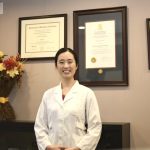
Laser Dentistry in Hamilton: How Excel Dental Treats Gums and Cavities with Less Discomfort and Faster Healing
If you live in Hamilton and have been wondering what laser dentistry can do for you, I want to speak directly from my practice experience at Excel Dental on 49 East Avenue South. I use dental lasers for gum treatments, cavity removal, and other procedures because they often mean less discomfort, faster healing, and in many cases no need for local anesthesia. My goal is to help you understand how lasers work, when they make sense, and what you can expect from treatment here in Hamilton.
What is laser dentistry?
Laser dentistry uses focused light energy to remove or reshape soft and hard tissues in the mouth. Different wavelengths are used for different tasks. For example, diode lasers are excellent for soft tissue work around the gums, while erbium lasers can be used on both enamel and dentin in some cavity procedures.
I have trained on multiple systems and continue to update my skills so I can choose the right tool for each patient. The precision of laser light lets me work in very small areas without affecting surrounding tissues, which is a major advantage when treating sensitive gum pockets or preparing a tooth for a restoration.
Laser treatment for gums
When treating gum disease, I often use a soft-tissue laser to reduce bacterial load and remove diseased tissue. The laser helps disinfect the pocket, stimulates a healthier tissue response, and can reduce bleeding during the procedure. Patients often tell me the experience is less invasive than they expected.
For simple soft tissue reshaping, such as smoothing the gum line or removing excess tissue, lasers allow me to work with minimal discomfort and excellent control. Healing is usually faster and the need for sutures is greatly reduced.
Laser treatment for cavities
For certain small to moderate cavities I may use an erbium laser to remove decayed tissue. The laser can precisely target decay, conserving more healthy tooth structure compared with some conventional rotary instruments. In many cases patients feel less vibration and hear less noise, which helps reduce anxiety.
Not every cavity is a candidate for laser removal. Large or deeply undermined restorations still require traditional tools, but I will always discuss the best, least invasive option based on X-rays and a clinical exam.
Benefits: less discomfort and faster healing
One of the most consistent benefits I see is reduced discomfort during and after treatment. Because lasers seal nerve endings and blood vessels, patients often report less bleeding and diminished post-operative pain. This is especially helpful for people with dental anxiety or those who prefer to avoid multiple injections.
Faster healing is also common. The laser promotes clot stability and can stimulate a favorable tissue response, which often shortens recovery time for both soft tissue surgeries and some restorative procedures. That means you can get back to work, family life, or sports sooner.
Who is a good candidate for laser dentistry?
Many adult patients with mild to moderate gum disease, small cavities, or the need for simple soft tissue adjustments are good candidates. I perform a thorough exam, including periodontal charting and appropriate imaging, to determine whether laser treatment is appropriate and safe.
Some medical conditions, or the location and extent of decay, may make lasers less suitable. I will always explain the pros and cons and present alternative options so you can make an informed choice that fits your health needs and comfort level.
What to expect at your appointment
Your first step is a detailed conversation about your concerns and a clinical exam. If a laser procedure is recommended, I will explain which type of laser will be used, what sensations you might feel, and any pre- or post-operative steps to follow. I encourage questions and will walk you through the plan so there are no surprises.
During the procedure you may feel gentle warmth or pressure, but most patients do not need extensive numbing. Afterward I provide clear aftercare instructions and a follow-up plan. If antibiotics or pain medication are indicated, I will prescribe them, otherwise over-the-counter care is often sufficient.
FAQ
Is laser dentistry painful? Most patients experience minimal pain. Because lasers can seal nerve endings and reduce bleeding, discomfort during and after treatment is often less than with traditional methods. I still offer local anesthesia when it makes sense.
Will I always avoid injections with laser procedures? Not always. While many laser treatments require little or no anesthesia, some patients prefer numbing and some procedures need it for comfort. I tailor the approach to your tolerance and the specific case.
Are lasers safe for all ages? Lasers are safe when used properly. I have treated teens and older adults, but each case is assessed individually. I will review your medical history to ensure laser therapy is appropriate.
How long does the healing take after a gum laser procedure? Healing times vary by the extent of treatment, but many patients notice improved comfort and reduced swelling within a few days. Complete tissue remodeling may take several weeks, and I will monitor your progress at follow-up visits.
Can a laser fix sensitive teeth? Lasers can help manage sensitivity by sealing tubules in exposed root surfaces in some cases. I will evaluate the cause of your sensitivity and recommend the most effective treatment, which may include laser therapy along with topical or restorative options.
Is laser treatment covered by insurance? Coverage varies by plan. Some insurers cover laser periodontal therapy or laser-related procedures as they would traditional treatments. Our front desk team can review benefits with you and provide a pre-treatment estimate.
Will my fillings last as long if a laser is used? Yes. When lasers are used appropriately for cavity preparation, restorations are placed in the same way and longevity depends on the quality of the restoration, your bite, and oral hygiene. Lasers can actually help conserve more healthy tooth structure, which can be beneficial long-term.
What are the risks or side effects? Risks are low when procedures are performed by trained clinicians. Possible side effects include minor swelling, sensitivity, or transient discomfort. Serious complications are rare and I discuss these with you before treatment.
How do I know if I need laser treatment for my gums? If you have persistent bleeding, deep pockets, or signs of gum disease despite good home care, a laser-assisted periodontal evaluation may be appropriate. I will evaluate your periodontal charting and discuss whether laser therapy would help.
Can lasers be used for crown or veneer preparation? Lasers are primarily used for soft tissue contouring around crowns or veneers and for certain conservative cavity preparations. For full tooth reduction in crown preparation, other instruments are typically used.
More Information
For authoritative guidance on dental practice standards and public health recommendations in Ontario, you can consult the Ontario Dental Association at oda.ca and the Canadian Dental Association at cda-adc.ca. The Government of Ontario site at ontario.ca includes public health resources that explain infection control and dental service guidelines. These sites are useful because they provide evidence-based information and province-specific regulations that help you understand safety, coverage, and standard care practices.
If you have more questions or want to schedule a consultation, feel free to call my team at 905-529-2164. I look forward to helping you find a comfortable, effective solution for your dental needs here in Hamilton.