
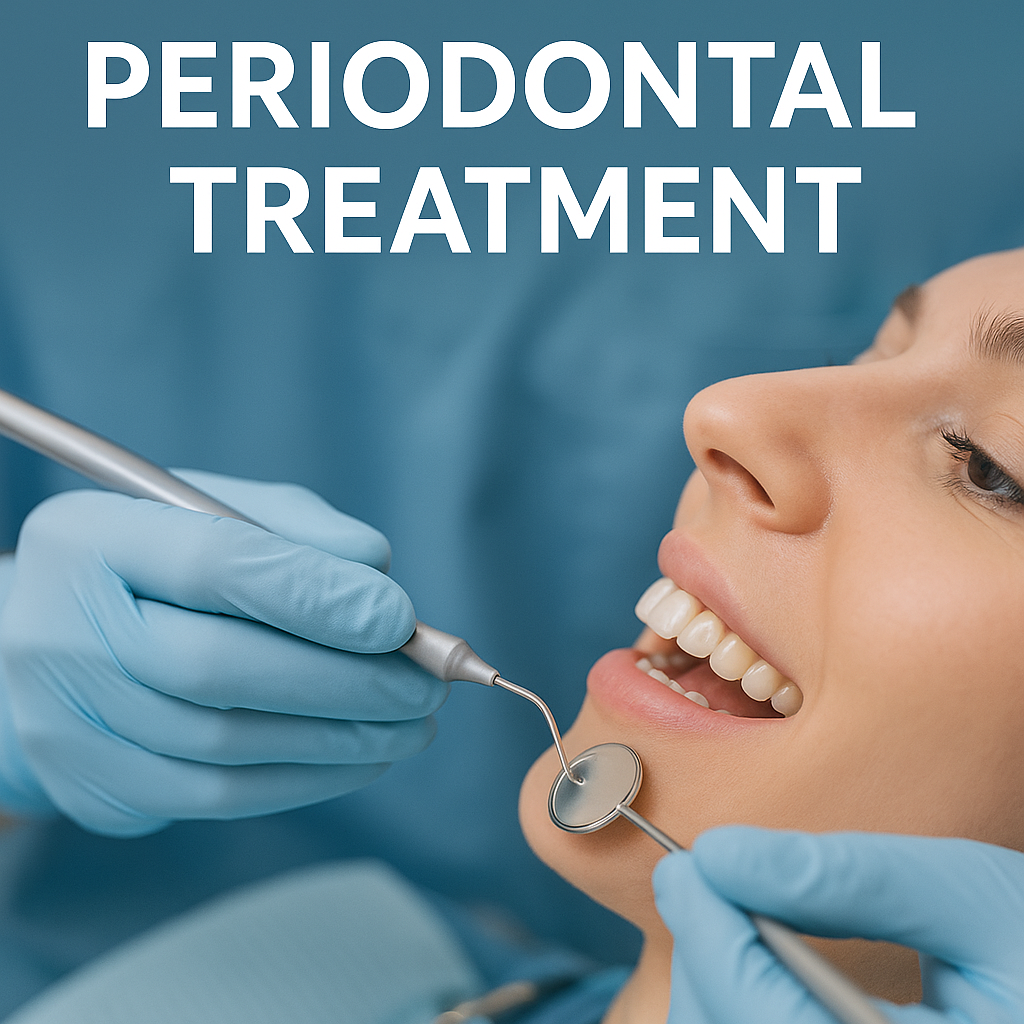
Periodontal Maintenance After Gum Therapy: What to Expect
What periodontal maintenance means after gum therapy
Periodontal maintenance is the follow-up care that comes after gum therapy, sometimes called supportive periodontal therapy. It is not a one-time fix. The goal is to help keep the gums stable, check for early changes, and remove plaque and tartar that home brushing and flossing cannot reach on their own.
Think of it as ongoing support for gum health. For many patients, it is part of the long-term plan after treatment for periodontitis.
What usually happens at the visit
A maintenance visit is usually more than a quick cleaning. Your dental team may:
- Ask about bleeding, soreness, bad breath, or changes at home
- Review how you are brushing and cleaning between teeth
- Measure gum pockets and look for signs of inflammation
- Remove plaque and hardened buildup above and below the gumline
- Recheck whether the gums are staying stable or need closer follow-up
Some visits are short and straightforward. Others take more time if there is still deep buildup, bleeding, or areas that need careful reassessment.
Why maintenance intervals differ from person to person
There is no single schedule that fits everyone. The timing depends on how severe the gum disease was, how stable the gums are now, and your risk factors over time. Recent guidance and studies support choosing maintenance timing based on individual risk and how the gums are doing over time.
People with diabetes, smoking exposure, or a history of faster gum breakdown may need closer follow-up. Other patients may be able to space visits farther apart if their gums stay stable. Your dentist or hygienist will base the interval on your exam findings, not on a one-size-fits-all rule.
What helps at home between visits
Daily home care still matters after gum therapy. The basics are simple, but they need to be done consistently:
- Brush twice a day with a soft brush
- Clean between the teeth every day
- Use any brush, floss, interdental brush, or water flosser your dental team recommends
- Follow the technique that is easiest for you to keep up over time
If a certain tool is hard to use, ask for a different option. The best method is the one you can use well every day.
When to contact the dental team sooner
Do not wait for the next scheduled visit if you notice heavier bleeding, swelling, pus, a bad taste that keeps coming back, teeth that feel more loose, or gum areas that seem to be getting worse. Those changes may mean you need an earlier check.
A simple next step for Hamilton patients
If you are not sure what recall interval fits your gum history, ask at your next visit. The team at Excel Dental in Hamilton can review your progress and help you understand what supportive care should look like for you. You can also read more about periodontal treatment and what it is designed to address.
Key sources
- Government of Canada: Oral Health
- European Federation of Periodontology — Gum Disease Treatment
- PubMed — Timing of Re-evaluation After Periodontal Therapy
This article is for general education only and does not replace personalized advice, diagnosis, or treatment from a licensed dentist.