
Electric Toothbrush or Manual Toothbrush: What Families Need to Know
Families often ask whether an electric toothbrush is better than a manual one. The short answer is that both can work well when they are used properly. For most households, the bigger question is not the brush price or brand — it is whether everyone will brush twice a day, use fluoride toothpaste, and keep a steady routine.
Manual or electric: what matters most
A manual toothbrush can remove plaque effectively when the bristles reach all tooth surfaces and the person brushes long enough. An electric toothbrush can also do the job well, and some people find it easier because the brush head does some of the movement for them. In real life, the brush a family will actually use every morning and night is often the better choice.
What the evidence says for children and families
Canadian guidance recommends brushing twice a day with fluoride toothpaste, and children need adult help with brushing. Recent reviews in children found a small plaque-removal advantage for powered brushes, but the difference was modest and did not clearly show better gum scores. Another review did not find a clear difference in some gum-tissue outcomes, and the certainty of evidence was low for some findings. That means an electric brush may help, but it is not a must-have, and a manual brush is still a solid option for many families.
Who may benefit most from a powered brush
A powered brush may be easier for:
- children who need a simpler brushing routine
- people with braces
- people with arthritis, hand weakness, or other dexterity limits
- anyone who finds it hard to keep a steady brushing routine
For these patients, the main advantage is often practicality. If brushing feels easier, the habit is more likely to stick.
When a manual brush is still a good choice
If someone brushes carefully and consistently, a manual toothbrush is still a good choice. A soft-bristled manual brush can be simple, effective, and affordable. For many families, that is enough. The important part is not whether the brush vibrates — it is whether the teeth get brushed twice a day, especially at bedtime.
Simple family buying and use tips
Keep the choice simple:
- choose soft bristles
- pick a head size that fits comfortably in the mouth
- use fluoride toothpaste
- help young children finish brushing well
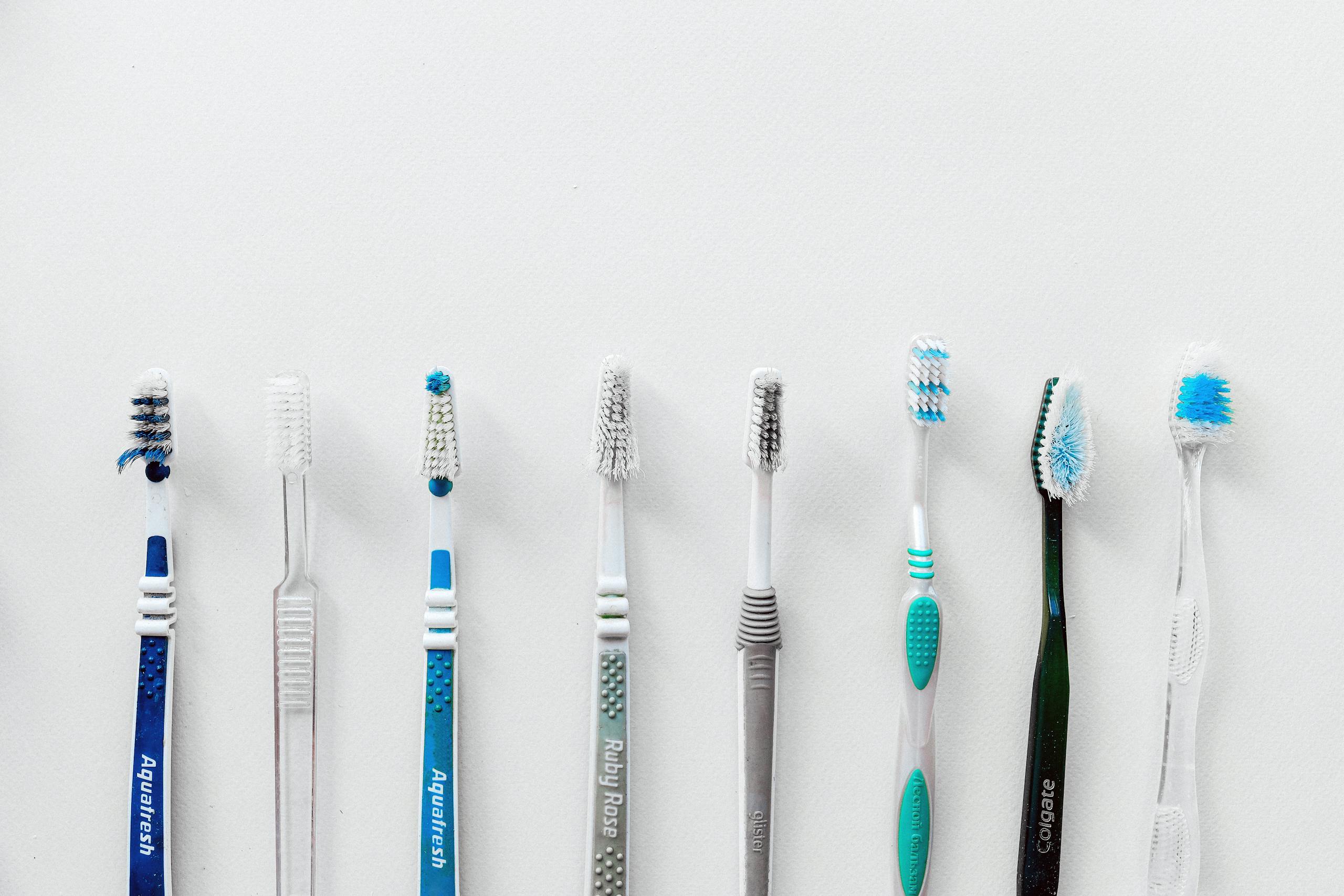
- replace the brush when the bristles look worn
For children, parent help matters even when the child wants to brush alone. For teens and adults, a brush that is comfortable to hold and easy to use is more likely to become part of the daily routine.
When to ask your dentist for help
If someone has bleeding gums, recurring cavities, braces, sore gums, hand mobility issues, or trouble brushing well, it is worth asking for advice at a checkup. A dentist or hygienist can show technique, compare brush styles, and help the family choose a routine that fits daily life. If you already have a general dentistry appointment, this is a good question to bring up.
For Hamilton families, practical brushing guidance can be part of routine preventive care. The best toothbrush is the one that helps your household brush well, twice a day, with fluoride toothpaste.
Key sources
This article is for general education only and does not replace personalized advice, diagnosis, or treatment from a licensed dentist.