
Diabetes and Gum Health: Questions for Your Dental Visit
If you have diabetes or prediabetes, it makes sense to mention your gum health at a dental visit. Diabetes and gum disease are associated in both directions: diabetes can raise the risk of gum problems, and gum inflammation may be harder to manage when diabetes is not well controlled. That does not mean one condition automatically causes the other. It does mean your dentist should know both your mouth symptoms and your diabetes history.
Symptoms that should prompt a dental visit
Book a dental exam or periodontal checkup sooner if you notice any of these:
- bleeding when you brush or floss
- swollen, red, or tender gums
- bad breath that keeps coming back
- gum recession, or gums that seem to be pulling away from the teeth
- loose teeth or teeth that feel different when you bite
- pus or a bad taste near the gums
- dry mouth
- white patches or sore areas that may be thrush
- slower-than-usual healing after dental work or a mouth injury
These symptoms can have more than one cause, but they are worth checking. During the exam, your dentist may look for bleeding, measure the spaces around the teeth, and decide whether x-rays or closer follow-up are needed.
Questions to bring to the appointment
It helps to write down a few questions before you go. You can ask:
- How often should I be checked?
- Do my gums need a periodontal assessment?
- Do my symptoms suggest gum disease?
- What home care changes would help most right now?
- Do any of my medicines affect dry mouth or healing?
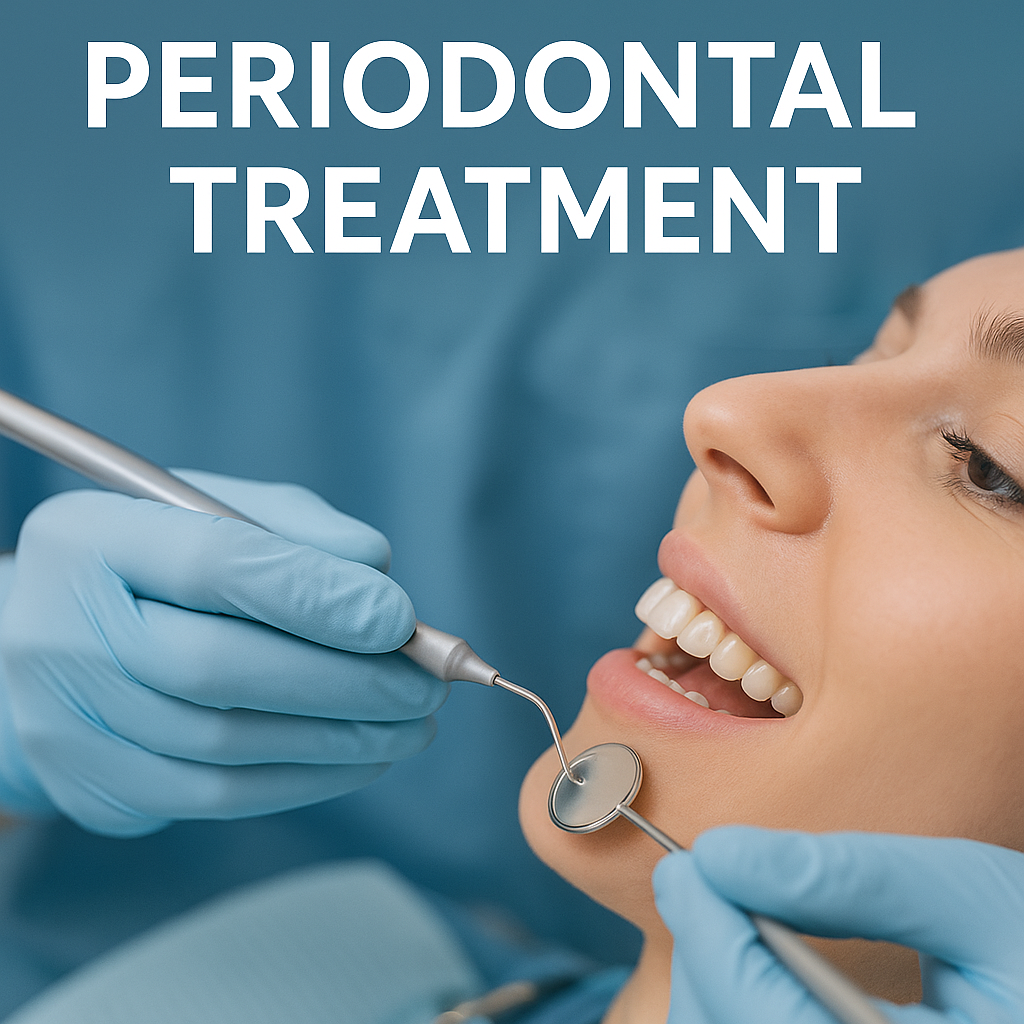
If the dentist suspects periodontal disease, they may discuss periodontal treatment as a next step. That conversation should focus on oral health, follow-up timing, and home care, not on promises about blood sugar numbers.
What to bring with you
Bring a current medication list if you have one. Also bring any diabetes details you already know, such as:
- your current diabetes treatment
- your most recent A1c, if you have it
- any recent low blood sugar or high blood sugar episodes that may matter for dental planning
- any dry mouth, mouth sores, or healing concerns you have noticed
If you do not know your A1c, that is okay. Bring what you do know. The goal is to help your dental team understand your current situation so they can plan a safer, more useful visit.
How often follow-up may be needed
There is no one schedule that fits everyone. Some people with diabetes do well with routine cleanings and checkups, while others need closer gum maintenance because of active inflammation, dryness, or past periodontal disease. Your dental team may suggest a shorter follow-up interval if your gums are bleeding easily, if deeper pockets are present, or if plaque builds up quickly between visits.
If you have prediabetes, the same questions still make sense. Early gum changes can appear before a person feels any pain, so a regular checkup is a useful place to catch problems early.
What the evidence can and cannot claim
Research supports a real connection between diabetes and gum disease, but the treatment story is more complicated. Reviews of the evidence suggest periodontal care can help oral health and may fit into overall diabetes care, yet the studies on blood sugar improvement are mixed and vary in quality. In plain language: gum treatment matters, but it is not a promise of better A1c on its own.
That is why the most practical goal is to get the gums healthier, reduce bleeding and inflammation, and keep a follow-up plan that fits your risk level.
Hamilton next step
If you are in Hamilton and these symptoms sound familiar, a dental exam is a sensible next step. If the dentist finds signs of gum disease, ask how it fits into the broader plan and review periodontal treatment for context on what that care may involve.
Key sources
- Government of Canada — Gum disease
- Diabetes Canada — Oral health in diabetes care
- NIDCR — Diabetes and oral health
This article is for general education only and does not replace personalized advice, diagnosis, or treatment from a licensed dentist.