
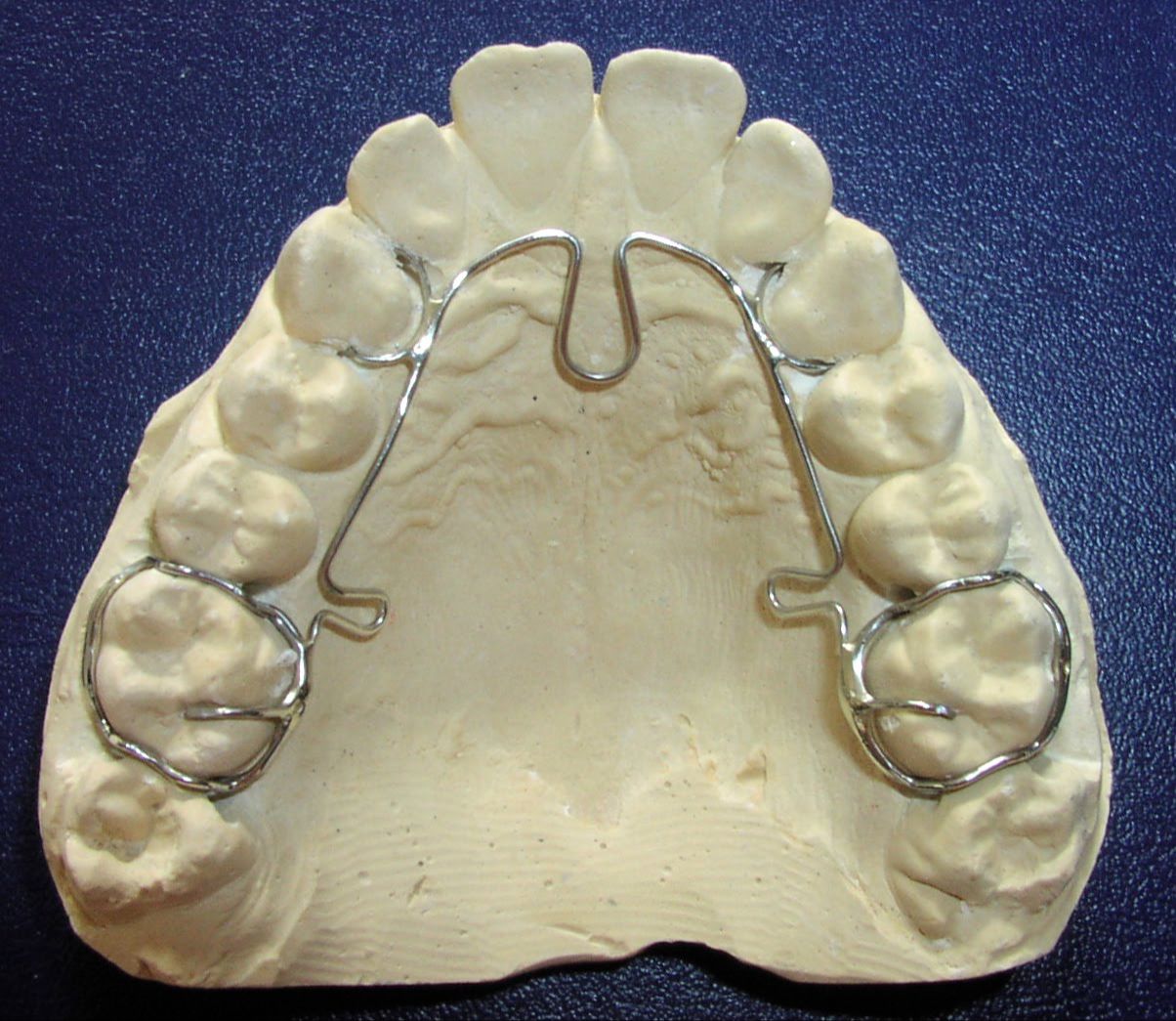
How the ALF Appliance Fits Into Your Orthodontic Care Plan
If you are considering an ALF appliance, start with a question about your own teeth or bite. What change are you hoping to see? At Excel Dental in Hamilton, our general dentists examine how your teeth fit and ask what you notice when you chew, swallow or rest your mouth. This gives us a point for explaining which options might suit you.
What an ALF appliance is
ALF stands for Advanced Lightwire Functional. It is a thin-wire orthodontic appliance. If we discuss ALF with you, ask what part of your bite or tooth position the appliance would address and how we would check for progress. Your dentist can also explain alternatives, including other orthodontic options or a referral when that would help.
Read about ALF orthodontic treatment in Hamilton.
Where myofunctional care fits
How your tongue rests, how your lips close and the way you swallow may all come up in the assessment. Myofunctional orthodontic treatment considers those patterns alongside your bite. Ask which finding matters for your plan and whether a separate assessment of oral function would help.
When LAFTR may come up
Excel Dental offers Laser Assisted Functional Therapeutic Release (LAFTR) using a 1064 nm Fotona laser. Your dentist may discuss it as an additional procedure for selected patients undergoing ALF treatment. If it comes up, ask what finding it would address and what the possible benefits, risks, alternatives and follow-up would be for you.
Questions to bring to your assessment
- What would you aim to change, and how would we know if the plan is working?
- What alternatives should I consider, and when would you reassess the plan?
If frequent snoring or pauses in breathing are also on your mind, bring them up with your family doctor. A physician can assess those symptoms and decide if sleep testing is needed.