
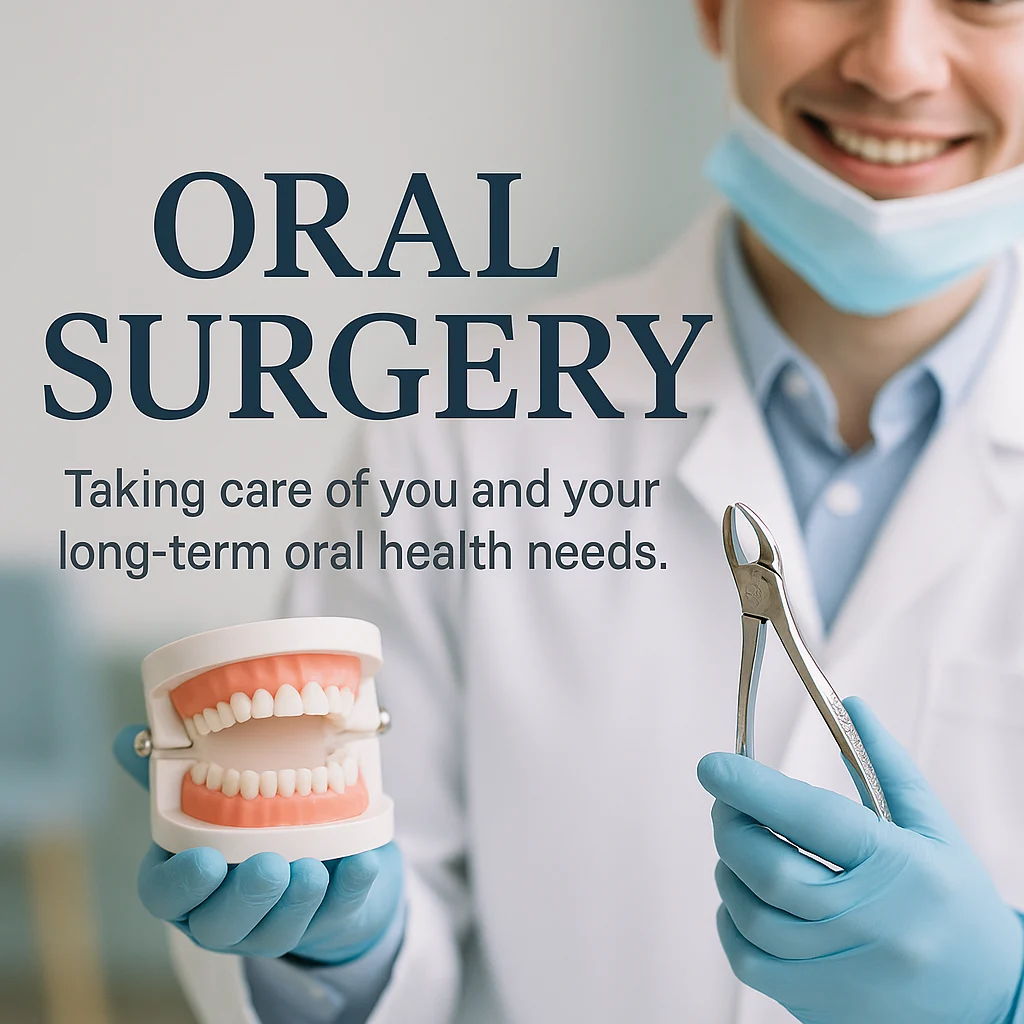
Tooth Extraction Aftercare Basics: What to Do at Home, What Helps, and When to Call
After a routine tooth extraction or wisdom tooth removal, most people can recover at home with rest, gentle care, and clear instructions. The first 24 hours matter most because the goal is to protect the blood clot that forms in the socket. That clot is part of normal healing. If it gets disturbed too early, bleeding can restart and the socket can become much more painful.
This guide covers the basics for the first 24 to 72 hours after treatment. It is written for patients and families in Hamilton who want practical, evidence-based advice in plain language. It does not replace the instructions from your own dentist or oral surgeon, especially if your medical history, medicines, or procedure were more complex.
What is normal after a routine extraction
Some symptoms are expected in the first few days. Mild bleeding or light oozing is common on the first day. Swelling and soreness often build over the first day or two, then gradually start to settle. After wisdom tooth removal, limited jaw opening can also happen for a short time because the surrounding muscles and tissues are irritated.
Many patients notice that saliva looks pink for a while. That can happen even when active bleeding has already slowed. What matters more is whether the socket is filling your mouth with fresh blood or soaking through gauze again and again.
In most routine cases, symptoms should slowly improve, not worsen, over the next 24 to 72 hours.
The first day: how to protect the blood clot
Think of day 1 as clot-protection day. Rest as much as you can. Keep your head elevated when lying down. Avoid poking the area with your tongue, fingers, or anything else.
If your dentist placed gauze, bite with firm, steady pressure for the time you were told. If bleeding continues, guidance such as SDCEP Post-extraction Haemorrhage advises placing a clean rolled gauze or moistened gauze over the socket and biting firmly for about 20 minutes before checking.
Also avoid anything that creates suction or force in the mouth. That means no straws, no forceful spitting, and no vigorous rinsing on the first day. Skip smoking and vaping as well. These habits can disturb the clot and slow recovery.
Take it easy physically. Heavy exercise, lifting, and strenuous activity can restart bleeding in some patients, especially on the same day as the extraction.
Eating, drinking, brushing, and rinsing at home
For the first day, choose soft foods that are cool or lukewarm. Good options may include yogurt, applesauce, scrambled eggs, soup that is not hot, smoothies eaten with a spoon, mashed potatoes, or soft pasta. Avoid very hot drinks and foods at first, since heat can encourage bleeding. Hard, crunchy, spicy, or sharp foods can also irritate the area.
Drink normally, but sip from a cup instead of using a straw.
You can usually brush your teeth the same day, but be gentle and stay away from the extraction site. Keeping the rest of the mouth clean helps recovery.
Starting the next day, gentle warm salt-water rinses are often helpful if your dentist says they are appropriate for you. The SDCEP post-treatment advice for dental patients taking anticoagulant or antiplatelet medication also supports beginning gentle warm salt-water rinses the day after treatment, not on the same day. Do not swish aggressively.
If your dentist prescribed a mouth rinse such as chlorhexidine, use it exactly as directed. It is not a universal self-care step for everyone after every extraction.
Pain relief basics: when non-opioid options are usually first-line
Pain after an extraction is common, but it should usually become manageable with the plan your dentist gives you. The current ADA Chairside Guide for Adult Extraction Pain supports non-opioid pain relief as first-line treatment for simple extractions and usually first-line treatment after surgical extractions when appropriate.
For many adults, that means an anti-inflammatory medicine such as ibuprofen or naproxen, alone or combined with acetaminophen, may work well. But these medicines are not right for everyone. Some patients should avoid NSAIDs because of stomach ulcers, kidney disease, certain heart or bleeding risks, allergies, pregnancy-related concerns, or interactions with other medicines. If NSAIDs are not appropriate, acetaminophen may be the safer choice for some people.
Opioids are not usually the first step after a simple extraction, and when they are used after a surgical extraction, the ADA guidance recommends the lowest effective dose for the shortest duration when clearly needed. The right plan depends on your health history, current medicines, and the type of extraction you had.
In Ontario, patient-centred care also means your dental team should review your medical history and medications carefully and give you clear instructions that fit your situation, which aligns with the standards framework of the RCDSO.
What can raise dry socket risk
Dry socket is a painful healing problem that can happen if the clot breaks down or is lost too early. Patients should not try to diagnose dry socket on their own, but there are some common habits that can raise the risk.
Smoking is one of them. A British Dental Journal smoking and dry socket review found that regular tobacco smoking was associated with a substantially higher chance of dry socket after extraction. Vaping may also be a concern because heat, chemicals, and suction can irritate the area and disturb the clot, even though the evidence base is stronger for smoking than for vaping.
Other common clot-disrupting habits include using a straw, forceful spitting, vigorous rinsing on day 1, and returning to hard exercise too quickly.
If you smoke or vape, ask your dentist how long to avoid it after your specific procedure and what support might help you get through the first few days.
If bleeding starts again: what to do at home
If the site starts bleeding again after you get home, stay calm. Fold clean gauze, or use a clean damp gauze if advised, place it over the site, and bite with firm continuous pressure. Do not keep lifting it to check every minute. Give it time.
Practical guidance from SDCEP advises about 20 minutes of firm pressure before checking. For patients on blood thinners, the SDCEP anticoagulant and antiplatelet aftercare leaflet advises 30 minutes of pressure with a clean damp gauze or handkerchief before reassessing.
While you are doing this, sit upright and keep your head raised. Avoid talking, rinsing, smoking, alcohol, and physical activity.
Call your treating dental office promptly if bleeding does not stop, if it stops and keeps restarting, or if you are filling your mouth with fresh blood rather than seeing only light pink saliva.
Extra note for patients taking blood thinners
If you take an anticoagulant or antiplatelet medicine such as warfarin, apixaban, rivaroxaban, dabigatran, aspirin, clopidogrel, prasugrel, or ticagrelor, your instructions may be different from someone else’s.
Do not stop, restart, or change these medicines on your own after an extraction unless the prescribing clinician or treating dentist has told you exactly what to do. Your pain-relief options may also differ. For example, some patients on blood thinners are advised to avoid NSAIDs unless the dentist or physician says they are appropriate.
If bleeding continues or restarts and you take one of these medicines, contact your dental office right away and follow the after-hours instructions you were given. If you cannot reach the office and the bleeding is persistent or heavy, seek urgent dental or emergency medical care.
When to call urgently
Contact your dentist or oral surgeon promptly if you have any of the following:
- bleeding that does not stop after firm pressure as instructed
- swelling that is getting worse instead of better
- fever, pus, or a bad taste that is getting stronger
- severe pain that is not controlled with the plan you were given
- symptoms that are worsening instead of gradually improving
- trouble swallowing or trouble breathing
Trouble breathing, rapidly worsening swelling, or difficulty swallowing can be serious. In those cases, seek urgent emergency care.
Questions to ask your dentist next
If you are preparing for an extraction, or if you are unsure about your instructions, it helps to ask:
- What bleeding, swelling, and pain are normal for my procedure?
- Which pain medicines are safe with my medical history and prescriptions?
- When can I start salt-water rinses?
- How long should I avoid smoking, vaping, straws, and exercise?
- What should I do if bleeding starts again tonight?
- Who should I contact after hours if I am worried?
Most recovery after a routine extraction is straightforward. The main priorities are simple: protect the clot, rest, eat gently, keep the area clean without disturbing it, and follow the medication plan that matches your health history. If something does not feel right, it is always reasonable to check in with your dental team.
Sources
- ADA Chairside Guide for Adult Extraction Pain
- ADA Acute Dental Pain Management Guideline
- RCDSO Standards and Guidance
- SDCEP Post-extraction Haemorrhage
- SDCEP Post-Treatment Advice for Patients on Blood Thinners
- British Dental Journal Smoking and Dry Socket Review
- Chlorhexidine After Oral Surgery Meta-analysis
This article is for general education only and does not replace personalized advice, diagnosis, or treatment from a licensed dentist.